

Beyond the Pedals and the Power Within
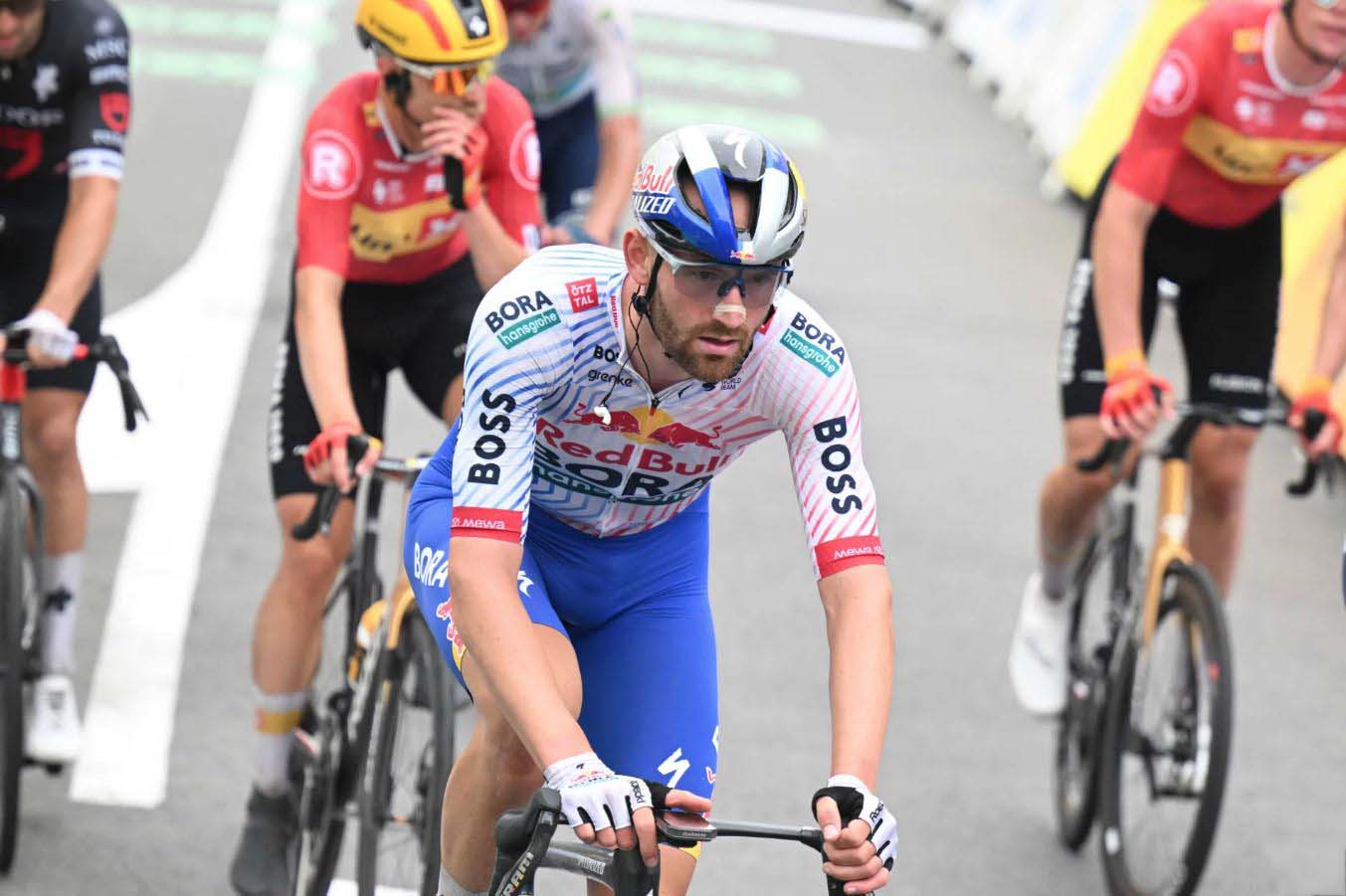
The cross-training builds resilience, balance, and strength in every cyclist who seeks more than endurance alone
The foundation of strength beyond the bike
Every cyclist understands the beauty of rhythm, the quiet precision of pedaling, and the satisfaction of conquering miles on the open road. Yet, true performance often lies beyond the act of cycling itself. Cross-training introduces new movement patterns that enhance balance, coordination, and muscle stability, all essential components for maintaining power and preventing fatigue. When the body becomes accustomed to only one form of motion, certain muscle groups grow strong while others remain underdeveloped. Over time, this imbalance can lead to inefficiency or even injury. Cross-training restores harmony, ensuring that the body functions as a single, unified system rather than a collection of isolated parts.
Strength training, swimming, running, yoga, and even hiking all contribute to a cyclist’s development. Each activity awakens different muscles and challenges the body in new ways. The core becomes stronger, joints become more stable, and endurance deepens without overloading the same pathways. By stepping away from the bike occasionally, a cyclist learns that variety is not distraction but reinforcement. The road may define the passion, but off the road is where power matures and longevity takes root.
Building functional strength through discipline
Incorporating strength training into a cycling routine might seem counterintuitive at first. Many riders worry that lifting weights will add unnecessary bulk or slow their cadence. In reality, properly designed resistance exercises enhance power output, stability, and control. Compound movements such as squats, lunges, and deadlifts strengthen the legs, hips, and glutes, which are the foundation of every pedal stroke. Upper body exercises like rows and planks build posture and endurance for long rides, preventing fatigue that can arise from maintaining an aerodynamic position for hours at a time.
Functional training focuses on movement patterns rather than isolated muscles. It replicates the dynamic interactions between body parts that occur during cycling. Single-leg squats improve balance, while core exercises such as Russian twists and bird dogs teach coordination between upper and lower body. These movements train the nervous system to respond more efficiently, resulting in smoother pedaling and better bike handling. Strength work also fortifies tendons and ligaments, reducing the risk of overuse injuries. When executed consistently and progressively, it transforms raw endurance into controlled and sustainable power.
The role of flexibility and mobility
Flexibility is often overlooked in cycling because the sport appears linear and repetitive. However, each ride demands subtle movements in hips, knees, shoulders, and spine. Over time, tightness accumulates, limiting range of motion and affecting comfort on the bike. Yoga and mobility exercises counteract this by promoting joint flexibility and muscular balance. The slow, deliberate stretches of yoga not only improve physical alignment but also strengthen the mind-body connection. Cyclists who practice regularly find they recover faster and maintain better posture during long sessions.
Mobility training focuses on the ability to move joints through their full range efficiently. Exercises such as hip circles, dynamic lunges, and thoracic rotations increase movement quality, preventing stiffness that can hinder performance. When flexibility and mobility coexist, efficiency improves. Pedal strokes feel lighter, and transitions from climbing to sprinting become smoother. The cyclist’s body learns to respond with fluid precision, adapting naturally to the road without resistance or strain.
Swimming and the restorative rhythm of water
Swimming provides an exceptional form of cross-training because it delivers cardiovascular conditioning without impact stress. The resistance of water challenges muscles in a way that complements cycling’s repetitive motion. Shoulders, back, and core all work to maintain balance and propulsion. Meanwhile, the buoyancy reduces strain on joints, allowing for recovery while still maintaining aerobic fitness. It is one of the few exercises that trains both endurance and relaxation simultaneously.
In the water, breathing patterns shift, teaching control under effort. This translates directly to cycling, where oxygen management defines performance on climbs and time trials. Swimming also refines posture by strengthening stabilizing muscles that support the spine and shoulders. The rhythmic nature of the strokes mirrors the cadence of pedaling, creating a mental link between the two disciplines. When a cyclist incorporates swimming into their training schedule, they develop not only greater physical capacity but also mental calmness under strain. The pool becomes a space of reflection and restoration, balancing intensity with serenity.
Running and cardiovascular versatility
While cycling primarily strengthens the lower body, running challenges the heart and lungs in unique ways. It introduces impact forces that stimulate bone density and strengthen connective tissue. Short, controlled runs can enhance aerobic capacity without compromising cycling form. Hill sprints develop explosive power, while steady-state runs improve endurance. The key lies in moderation. Too much running can strain muscles not accustomed to the repetitive pounding, but occasional sessions add diversity and vitality to a training plan.
Running also improves mental resilience. Unlike cycling, which can benefit from coasting or momentum, running requires constant effort. Every step is an act of propulsion and commitment. This transfers well into cycling, especially during races where mental fatigue often determines outcome more than physical limitation. A cyclist who runs occasionally develops stronger willpower and cardiovascular depth, both invaluable assets on long climbs and endurance events.
The quiet power of balance and core training
Balance is the foundation of every efficient cyclist. It determines how smoothly power transfers from body to bike and how confidently a rider handles unpredictable terrain. Core training enhances this balance by stabilizing the trunk and linking the upper and lower body. Movements such as planks, side bridges, and stability ball exercises train deep muscles that support the spine. A strong core prevents energy loss caused by unnecessary body sway and keeps the rider grounded during high-intensity efforts.
Beyond stability, core training also improves breathing efficiency. When the torso remains steady, the diaphragm operates freely, allowing deeper, more consistent oxygen intake. This leads to reduced fatigue and better concentration. Core work is not limited to crunches or static holds; dynamic exercises like medicine ball throws and rotational twists replicate the balance demands of cycling. Each repetition strengthens coordination, helping the rider maintain form even during long or uneven rides. In essence, the core acts as the anchor of every motion, turning energy into direction.
Rest and recovery within cross-training
One of the greatest advantages of cross-training lies in its ability to distribute stress across different muscle groups. This allows the cyclist to remain active even during recovery periods. Light swimming, yoga, or stretching sessions can accelerate healing without compromising overall progress. These activities increase circulation, reduce muscle tightness, and promote mental relaxation. A well-structured recovery phase is not idle time; it is where adaptation takes place and strength consolidates.
Listening to the body becomes crucial. Overtraining can occur when variety turns into overload. The purpose of cross-training is not to add more hours of exhaustion but to create harmony between challenge and restoration. Each session should serve a specific role, either performance enhancement, mobility improvement, or active recovery. Through mindful balance, the cyclist learns to manage energy wisely, transforming fatigue into renewed power.
Planning an effective cross-training schedule
Designing a balanced training schedule requires awareness of goals, fitness level, and recovery needs. For competitive cyclists, cross-training often complements the base or off-season phase, when building strength and endurance takes priority. During peak cycling season, cross-training should shift toward lighter activities that support flexibility and mobility. Beginners can start with two cross-training sessions per week, alternating between strength and mobility work. As adaptation improves, additional activities can be introduced gradually.
Consistency is more important than volume. A few well-chosen exercises performed regularly will yield greater results than sporadic, intense sessions. Tracking performance helps identify which forms of cross-training deliver the most benefit. Heart rate monitors, perceived exertion scales, or training apps can guide adjustments over time. When integrated correctly, cross-training becomes an inseparable part of a cyclist’s journey, building not just fitness but adaptability, the ability to thrive under varied conditions both on and off the bike.
The road that leads through many paths
In the pursuit of endurance and excellence, cyclists often seek mastery through repetition. Yet, true growth often comes from stepping beyond familiar motion. Cross-training opens that door. It builds versatility, resilience, and strength that endure long after the wheels stop turning. Each alternative discipline contributes something unique, balance from yoga, power from strength work, breath control from swimming, or focus from running. Together, they form a complete athlete, capable of sustaining passion through every season.
Beyond performance, cross-training also nurtures appreciation. It teaches that movement itself is the essence of athleticism, not just the discipline chosen to express it. The cyclist who explores other forms of motion discovers new dimensions of endurance, creativity, and joy. The bike remains central, but the spirit expands. Every time the pedals turn again, they carry the wisdom of every path traveled, on roads, in pools, across trails, and within the quiet strength of the body itself.