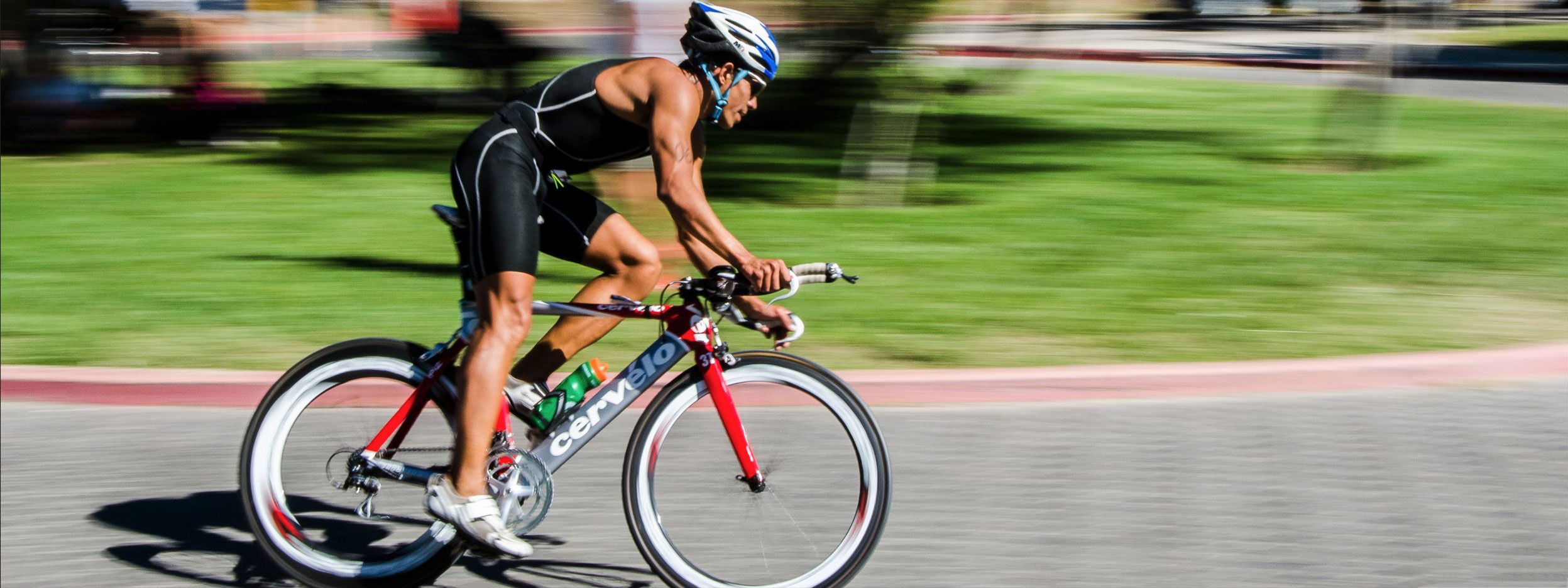

The Silent Flow That Defines Speed
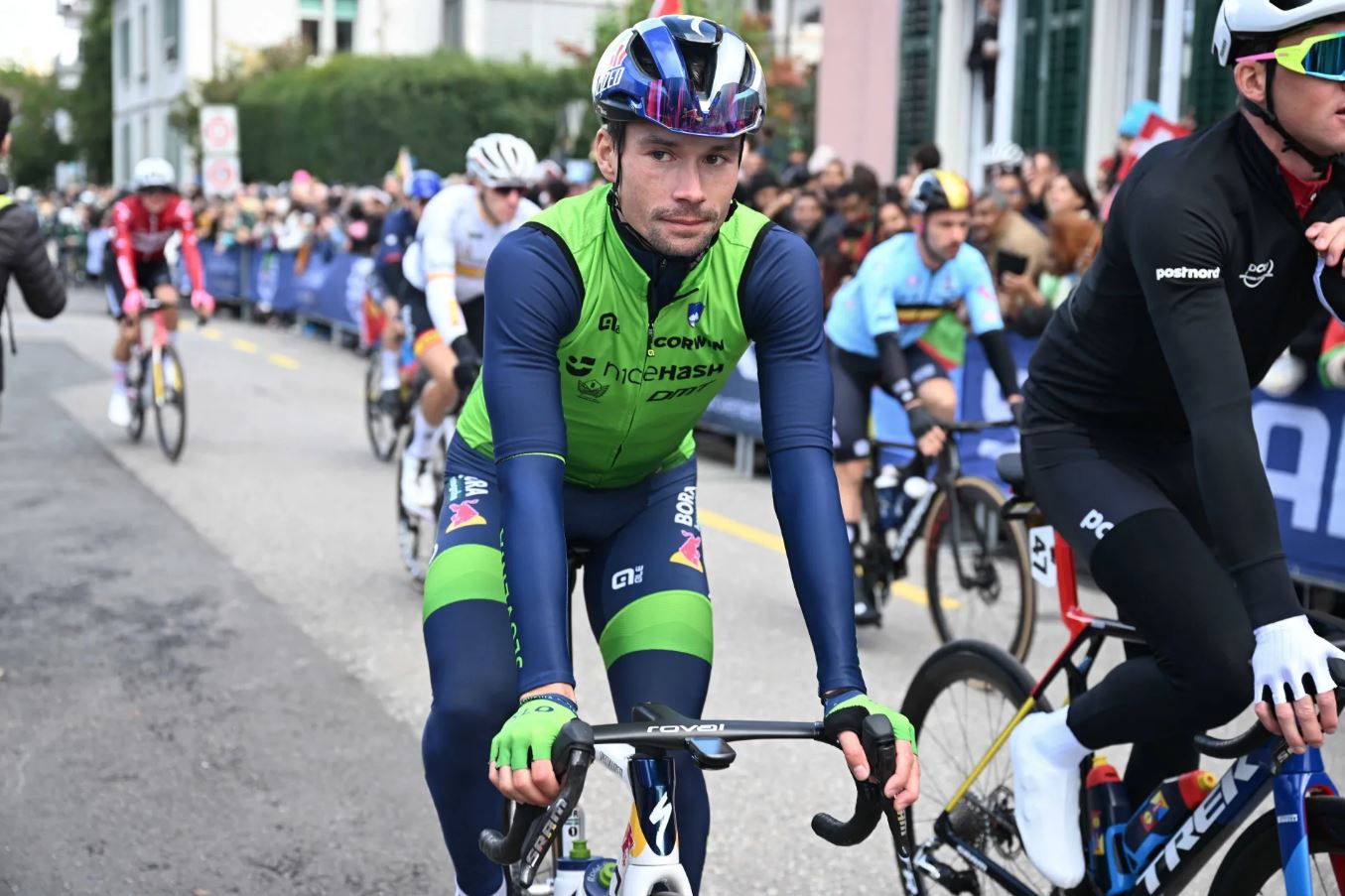
The precision, posture, and balance create the invisible art of efficient motion on the road
The essence of cutting through air
Every cyclist who has felt the resistance of wind understands that air itself can be both an enemy and an ally. Aerodynamic positioning is the science of transforming that resistance into advantage. It is not simply about lowering the body or hiding behind handlebars, but about achieving a state where motion becomes harmony between the rider, the bike, and the surrounding air. The goal is to move through the atmosphere with minimal disruption, converting every watt of power into forward momentum rather than wasted drag.
The physics behind it are simple yet profound. The faster a cyclist goes, the greater the air resistance they face. At high speeds, especially above thirty kilometers per hour, the majority of a rider’s effort goes into overcoming this invisible barrier. The human body, naturally upright and uneven, creates turbulence that saps energy. By adjusting position, refining posture, and aligning body angles, the cyclist begins to shape themselves into a moving sculpture of efficiency. The pursuit of aerodynamic mastery is a blend of art and engineering, a dance with the unseen currents of the air itself.
The science behind resistance and drag
To understand aerodynamic positioning, one must first understand the forces that oppose motion. Air resistance is created when the body and bike displace the air in front of them, creating pressure differences that slow movement. Two main factors influence this resistance: frontal area and drag coefficient. The frontal area refers to how much of the rider’s body and equipment are exposed to oncoming air. The drag coefficient measures how efficiently that shape allows air to flow around it. Together, they determine how much power is lost to the atmosphere.
Reducing frontal area involves lowering the torso, narrowing the elbows, and tucking in the knees to create a smaller silhouette. However, a more compact shape must not compromise breathing, stability, or control. This is where balance becomes critical. Aerodynamics is not about becoming a statue on wheels but about finding the equilibrium between efficiency and comfort. Riders who can sustain an aerodynamic position for long durations gain consistent performance advantages, especially during time trials, descents, and windy conditions. The best positions are not always the lowest, but the ones that maintain harmony between human endurance and physical science.
The role of equipment and integration
The evolution of modern cycling equipment has redefined what is possible in aerodynamic performance. Frames are no longer built with simple tubes, but with carefully sculpted carbon profiles that channel air smoothly around every surface. Wheels are designed with deep rims and specific spoke patterns that minimize turbulence while maintaining control in crosswinds. Even small details, such as handlebar tape texture and cable routing, play measurable roles in aerodynamic behavior. Every element contributes to reducing the invisible resistance that stands between effort and speed.
Clothing has evolved into another frontier of aerodynamic gain. Skinsuits made from textured fabrics guide airflow efficiently over the body, reducing drag where turbulence naturally forms. Helmets with smooth contours and elongated tails channel air cleanly toward the shoulders. Shoes, gloves, and even socks are engineered with similar precision. The concept of integration now defines high-level cycling design. The rider, the bike, and the gear function as one seamless system. In professional racing, entire teams of engineers, designers, and biomechanists collaborate to ensure that no watt of energy is wasted against the wind.
Position refinement through body mechanics
Finding the ideal aerodynamic position is a process of self-discovery. No two riders share identical proportions or flexibility levels, which means that a position that benefits one athlete may hinder another. The most efficient riders spend hours in wind tunnels or use on-road data analysis to fine-tune their posture. Adjustments as small as a few millimeters can produce significant performance differences. The key lies in balancing aerodynamics with biomechanical sustainability. A position that looks efficient in theory may cause fatigue or strain in practice.
The human body must adapt gradually to lower, more compact positions. Core strength, shoulder stability, and hip flexibility all determine how comfortably a cyclist can hold aerodynamic form. Stretching routines, targeted strength exercises, and consistent posture awareness improve the ability to sustain that position over time. The head and neck must align naturally with the spine, reducing strain while keeping vision clear. Professional cyclists train their bodies not only for power but also for posture, creating muscle memory that keeps their movements fluid even under pressure. True aerodynamic positioning feels effortless because it becomes instinctive rather than forced.
The influence of terrain and conditions
Aerodynamics is not a fixed concept but one that changes with the environment. On flat roads and descents, the benefits of an aerodynamic position are undeniable, as air resistance becomes the dominant opposing force. However, on steep climbs, the emphasis shifts toward power output and comfort. The reduced speeds mean that aerodynamics play a smaller role, allowing riders to adopt a more upright position for better breathing and stability. Skilled cyclists learn to transition smoothly between postures, adapting their form to match the terrain without disrupting rhythm.
Wind direction also transforms the equation. A strong headwind magnifies the need for aerodynamic efficiency, while crosswinds challenge control and stability. In these conditions, riders often adjust their position slightly wider to maintain balance without losing too much aerodynamic advantage. Descents, on the other hand, present opportunities to fully exploit streamlined posture. The classic tuck, where a rider lowers their torso close to the handlebars and shifts weight backward, can drastically increase speed. Yet it requires precision, awareness, and trust in one’s equipment. Mastering terrain-based positioning turns aerodynamic skill into a form of environmental awareness.
Training the body to adapt to aero form
Transitioning into an aerodynamic position is not simply a matter of adjustment; it is a gradual transformation of strength and flexibility. Core engagement becomes essential, as the abdomen stabilizes the spine and supports the torso under load. Cyclists often underestimate how much effort goes into maintaining position during long rides. The muscles of the neck, shoulders, and lower back must endure continuous tension without collapsing posture. Strength training that targets these areas enhances both comfort and endurance.
Flexibility training plays an equally important role. Stretching the hip flexors, hamstrings, and gluteal muscles increases range of motion, allowing riders to sustain low positions without discomfort. Yoga and mobility exercises complement cycling training by improving joint stability and muscular balance. Mental adaptation is another layer of preparation. Riders must learn to stay relaxed even in compressed positions, keeping breathing steady and efficient. Over time, the body begins to interpret aerodynamic posture as natural rather than strenuous. The transformation is both physical and psychological, a quiet evolution toward greater efficiency.
Psychological impact of aerodynamic efficiency
There is a mental dimension to aerodynamic positioning that often goes unnoticed. When a cyclist assumes a streamlined form, they enter a state of heightened focus. The world narrows to the rhythm of the pedals and the whisper of the wind. This state, often described as flow, is the psychological counterpart to physical optimization. Aerodynamics not only reduce resistance but also enhance the sensation of smoothness and continuity. Riders who master aerodynamic form often report feeling more connected to their motion, as if the bike becomes an extension of their own body.
This mental harmony also translates into confidence. Knowing that one’s posture is efficient instills a sense of control, especially during competition. A rider who feels fast often performs faster. Aerodynamic form becomes a ritual of empowerment, where discipline and awareness merge. Even in solo training sessions, this psychological edge can transform an ordinary ride into an experience of mindfulness and precision. The relationship between the rider and the wind becomes less confrontational and more cooperative, a conversation of motion rather than resistance.
Lessons from the professionals
Professional cyclists spend years refining their aerodynamic positions, guided by coaches, scientists, and constant experimentation. Every movement on the bike is analyzed, from the angle of the elbows to the curvature of the back. Time trial specialists, in particular, dedicate entire training seasons to perfecting their aerodynamic form. They use wind tunnels, motion sensors, and high-speed cameras to measure every variable. Yet the true mastery lies not in imitation but adaptation. The best riders understand their own physiology and shape their techniques accordingly.
Observing professionals also reveals a universal truth: simplicity often outperforms exaggeration. Riders who chase extreme positions may gain short-term aerodynamic benefits but lose long-term sustainability. The most successful athletes find a middle ground that harmonizes comfort, control, and efficiency. Their lessons teach that aerodynamics is not a competition of who can crouch the lowest, but who can sustain fluidity the longest. Endurance, both physical and mental, remains the defining element of aerodynamic excellence. It is a journey that never truly ends, as every ride becomes a new opportunity for refinement.
The invisible victory over resistance
The beauty of aerodynamic positioning lies in its subtlety. It offers no applause, no immediate reward, yet it transforms every ride into a quiet triumph over the unseen forces that resist progress. The cyclist who learns to move with the wind instead of against it discovers a form of freedom that transcends speed. Every adjustment of posture, every mindful breath, and every smooth turn of the pedals brings them closer to perfection in motion. This mastery is not about domination but cooperation with the elements.
As the road stretches forward and the hum of tires merges with the rhythm of effort, the cyclist becomes part of a larger flow , one that connects body, machine, and environment in seamless unity. In that connection lies the essence of aerodynamic efficiency, a truth that every dedicated rider comes to understand. It is the moment when air no longer feels like resistance but like music that carries you forward, silent, steady, and endless.