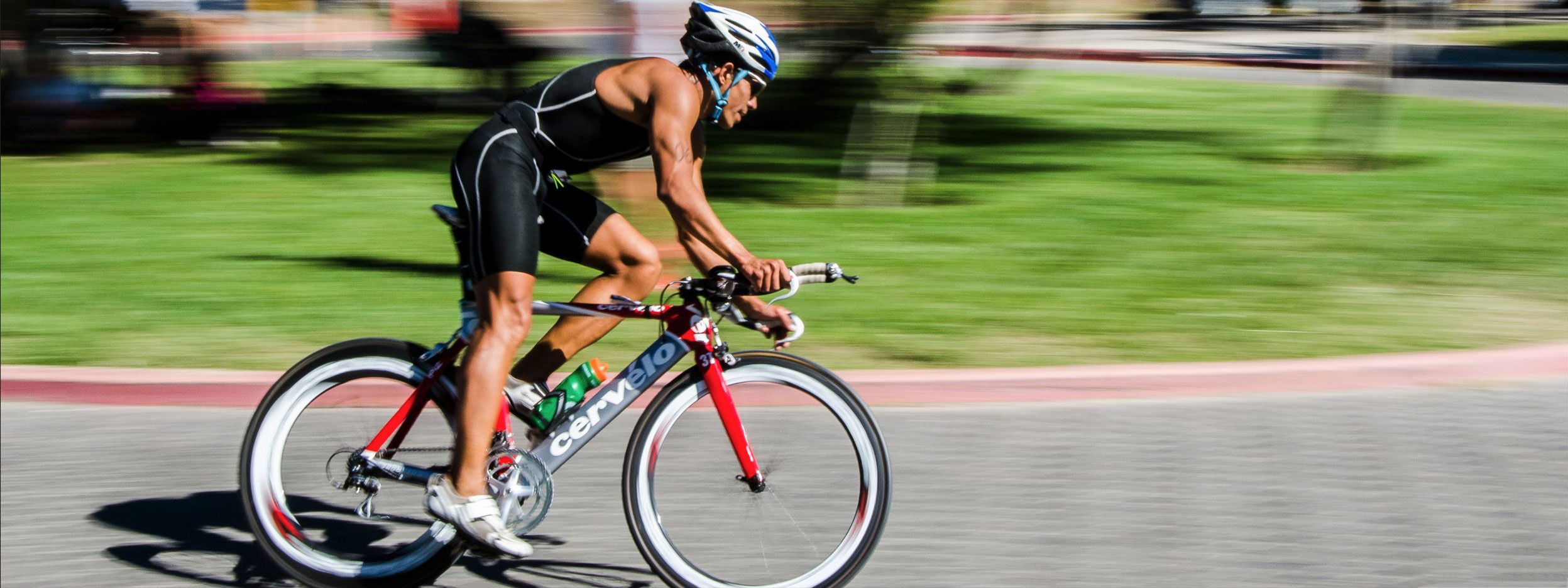

Legends in Motion and the Journeys That Shape Them
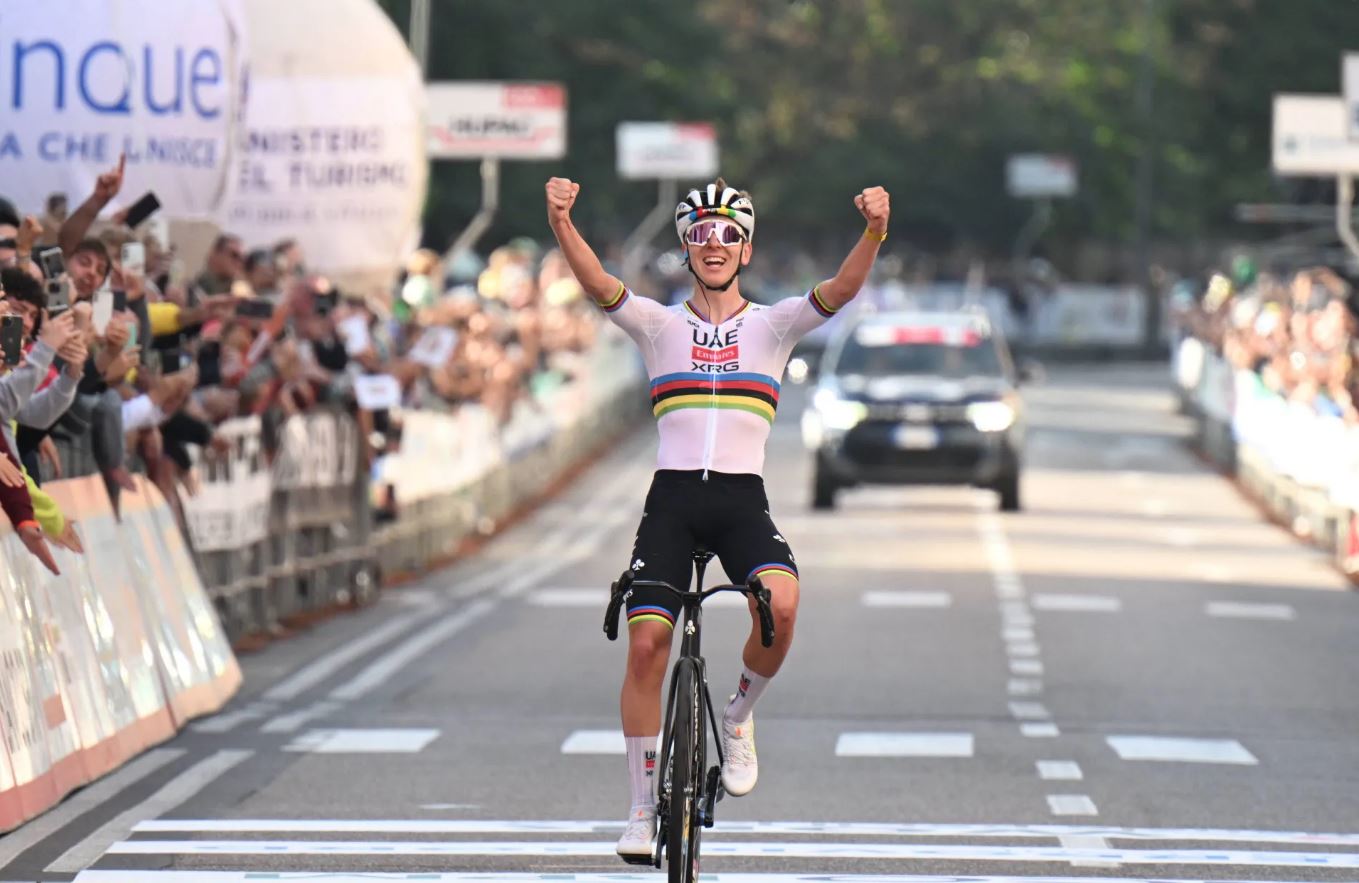
Exploring the lives, struggles, and triumphs that define the world’s most remarkable professional cyclists
The making of a professional rider
Every professional cyclist begins their journey with a simple love for motion. Before the podiums, sponsors, and world tours, there are quiet roads, early mornings, and a hunger to go farther than before. The transition from passionate amateur to professional athlete demands years of discipline and sacrifice. It is a transformation not just of the body, but of identity. A professional rider is shaped by countless miles of solitude, every pedal stroke carving endurance into muscle and mind.
Talent may open the door, but perseverance keeps it open. Riders often begin competing in local circuits, learning race dynamics and the psychological rhythm of competition. Coaches, mentors, and rivals become catalysts for growth. The training becomes a lifestyle, the body a precise instrument tuned to the smallest detail. For many, this process begins in childhood and stretches into adulthood, blending physical conditioning with emotional maturity. The making of a professional cyclist is not just about power output or speed, but the quiet resilience to endure both triumph and failure.
The anatomy of preparation
Professional riders live according to a delicate balance between training, recovery, and nutrition. Their days are often structured with precision, each hour dedicated to maintaining or improving performance. Early morning rides sharpen endurance, while intervals and hill sprints refine strength. Recovery becomes a form of art. Ice baths, massages, and stretching sessions are as vital as miles on the bike. The body learns to adapt under stress, responding to repetition with growth.
Diet plays an equally important role. Nutritionists design plans that fuel both effort and recovery. Meals are measured, timing is strategic, and hydration is constant. Carbohydrates rebuild energy, proteins repair tissue, and electrolytes sustain rhythm. Professional cyclists become deeply aware of how each bite affects performance. Sleep, often underestimated by amateurs, becomes sacred. Eight hours of uninterrupted rest can mean the difference between winning and falling behind. The preparation may seem obsessive, but it reflects the precision required to compete at the highest level, where seconds define legacy.
The psychological world of champions
Mental endurance defines the gap between good and great. In professional cycling, the ability to endure pain while maintaining focus is what separates consistent winners from occasional victors. The pressure of performance is constant, magnified by media attention and fan expectations. Every race tests not only the legs but the will. Riders learn to manage anxiety, channel adrenaline, and silence doubt. Mental training often includes visualization, controlled breathing, and mindfulness exercises that anchor focus during long climbs or unpredictable weather conditions.
Competition also carries emotional complexity. Team dynamics, rivalries, and the unpredictable nature of racing create constant mental strain. Riders must adapt quickly, staying composed through crashes, mechanical failures, or lost opportunities. Those who thrive under such conditions develop an unshakable belief in process rather than outcome. They learn to accept failure as part of growth. For them, mental strength is not about denying weakness but learning how to move through it gracefully. The greatest champions often credit their victories not to physical superiority but to mental clarity in moments of chaos.
The evolution of the peloton
The professional peloton is more than a collection of competitors. It is a living ecosystem of cooperation, rivalry, and unspoken rules. Each race features a blend of veterans and rising stars, all moving together like a single organism. Within it exist hierarchies and roles that define team strategies. Leaders, known as captains, rely on domestiques who sacrifice their own chances to protect and support them. Sprinters depend on lead-out trains, while climbers rely on pacing from teammates who can control tempo in the mountains.
The dynamics of the peloton have evolved with technology and data. Power meters, radios, and real-time analytics now influence decision-making during races. Teams monitor heart rates, wattage, and positioning with mathematical precision. Yet, despite the science, the peloton retains a human heartbeat. Instinct and intuition still guide key moments. Riders feel the movement of the group, the shifting rhythm of effort and rest. The unity of the peloton reflects both collaboration and competition, making it one of the most complex spectacles in modern sport.
Stories that define greatness
Behind every professional rider lies a story of endurance that transcends sport. Some come from humble beginnings, building their careers through grit and persistence. Others face devastating injuries and return stronger than before. The beauty of professional cycling lies in these personal narratives. The rider who trains through pain, the one who fights through the rain to finish a stage, or the one who supports a teammate instead of chasing glory, these are the moments that define greatness more than trophies.
Legends like those who conquered the Alps or the cobblestones of northern Europe often speak about their most defining experiences not as victories, but as moments of transformation. They recall the climbs where they nearly gave up, or the nights spent questioning purpose. These stories humanize the sport, reminding fans that beneath the aerodynamic helmets and polished gear are individuals driven by the same emotions that inspire anyone to pursue a dream. Professional cycling, at its core, is about persistence in motion, a visible metaphor for endurance in life itself.
The global reach of professional cycling
Cycling has grown into one of the most internationally diverse sports in the world. Riders from every continent now compete at the highest levels, each bringing unique strengths shaped by their geography and culture. European teams continue to dominate, yet riders from Africa, Asia, and the Americas have begun reshaping the competitive landscape. This expansion not only diversifies talent but also broadens the sport’s appeal. Fans now connect through live broadcasts, social media, and community rides inspired by their heroes.
Major tours like the Vuelta a España, Giro d’Italia, and Tour de France serve as global stages where nations express pride through athleticism. Meanwhile, smaller events in emerging regions build local enthusiasm and inspire new generations. Coverage of these events captures more than competition, it captures cultural exchange. Each race reveals the landscapes, traditions, and spirit of the places it touches. In this sense, professional cycling has become not only a sport but a global celebration of endurance and discovery.
Technology and innovation redefining performance
The modern professional rider is as much an athlete as a technician. Advances in equipment, data collection, and training methods have transformed how cyclists prepare and compete. Lightweight carbon frames, aerodynamic helmets, and adaptive gearing systems reduce resistance and increase efficiency. Smart trainers and virtual platforms allow riders to simulate real-world conditions from home, refining their form even in the off-season. The combination of biomechanics and engineering has pushed human performance to new limits.
Data-driven analysis plays a growing role in how riders train and recover. Teams collect metrics on everything from oxygen uptake to muscle strain, creating precise profiles for each athlete. Artificial intelligence assists coaches in predicting fatigue and optimizing load management. Despite this scientific precision, the essence of cycling remains unchanged. The rider still faces the same elemental challenges, wind, terrain, and time. Technology enhances performance, but the soul of the sport still resides in the connection between rider, machine, and motion.
The influence of women in professional cycling
The growth of women’s professional cycling marks one of the most transformative movements in the sport’s history. Female riders have long fought for recognition, equal opportunities, and fair compensation. Today, their presence is stronger than ever. Events like the Tour de France Femmes and the Women’s WorldTour showcase extraordinary athletes who combine tactical intelligence with raw endurance. Coverage of these events has inspired a new generation of female cyclists and fans alike.
Women’s teams often operate with limited resources compared to their male counterparts, yet their performances prove that determination and passion outweigh financial barriers. Their success stories echo resilience and progress. These riders embody both athletic mastery and social change, paving the way for equality in professional sports. The rise of women’s cycling is not just about inclusion but about evolution, a reflection of how the sport continues to expand its meaning and reach. Their contributions strengthen cycling’s legacy as a universal pursuit of excellence.
The road that never truly ends
Professional riders dedicate their lives to motion, but their journey never truly concludes. Even after retirement, the rhythm of the road remains within them. Many become mentors, coaches, or advocates for the sport, passing their wisdom to younger generations. The spirit of competition may fade, but the love for cycling endures. They remain ambassadors of resilience, proof that the essence of movement can define a lifetime.
Each rider leaves behind a legacy measured not just by victories but by influence. The professional cycling world thrives on these stories, blending human spirit with physical mastery. As fans and fellow riders continue to watch, they are reminded that every turn of the wheel carries a history of sacrifice, ambition, and hope. In the end, professional cycling is more than a sport, it is a reflection of human potential, captured in the motion of those who dare to chase the horizon.