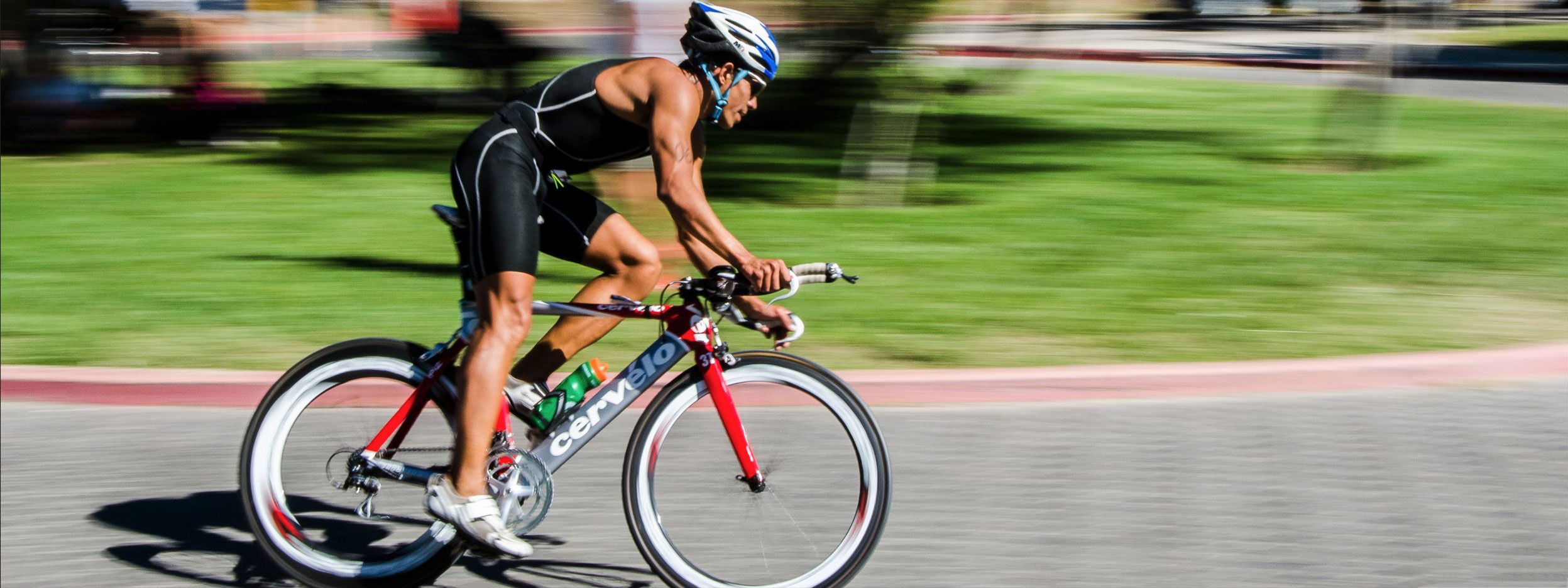

The Final Gear - Mastering the Journey Toward Race Day

Exploring the strategies, mindset, and preparation that turn training into triumph when it matters most
The blueprint of readiness
Preparing for a race is a process that begins long before the starting line. It is not a single act of physical training but a combination of structured effort, deliberate planning, and focused mindset. Every great race performance begins with a foundation built through consistency and patience. A cyclist who approaches preparation with balance gains not only physical readiness but also the confidence to adapt when conditions change. Preparation is not about perfection. It is about control, clarity, and commitment to a process that transforms practice into precision.
Effective race preparation starts with understanding the demands of the event. A short criterium requires sharp bursts of speed and tactical awareness, while a long endurance race demands sustained power and energy management. The training plan must reflect the specific physiological and mental requirements of the chosen race. It is not enough to ride often; every ride must serve a purpose. Planning intensity, rest, nutrition, and strategy in harmony ensures that when race day arrives, the body and mind function as one well-trained system ready to perform under pressure.
Building a structured training plan
A structured training plan forms the backbone of race preparation. It defines how much to ride, how hard to push, and when to rest. Random rides, no matter how enthusiastic, rarely produce consistent results. Structure brings efficiency, ensuring that every session contributes to peak performance. The best training plans progress gradually, increasing intensity and volume in manageable increments. This principle, known as progressive overload, strengthens the body while preventing fatigue and injury. Overtraining is a common mistake among cyclists who equate effort with improvement, forgetting that adaptation requires rest as much as exertion.
Each training week should include a blend of endurance rides, interval sessions, recovery days, and skill drills. Endurance rides develop aerobic capacity, allowing the body to sustain effort for extended periods. Intervals enhance power and resilience under stress, training the body to recover quickly between surges. Recovery rides maintain circulation and flexibility while giving muscles time to rebuild. Skills training, such as cornering, drafting, and pacing, transforms physical fitness into tactical control. Balancing these elements creates a rhythm of preparation that mirrors the rhythm of racing itself, steady, varied, and purposeful.
The importance of tapering
In the final weeks before a race, the body requires a delicate balance between maintaining fitness and reducing fatigue. This phase, known as tapering, allows the body to recover fully while preserving strength and speed. Tapering is often misunderstood as rest alone, but it involves calculated reductions in volume while keeping intensity moderately high. The goal is to refresh the body without allowing performance levels to decline. It is a fine art of listening to the body’s signals and resisting the urge to overtrain in the pursuit of confidence.
A successful taper usually lasts between one and three weeks, depending on the event’s length and the athlete’s condition. During this period, shorter rides replace long ones, and intervals remain sharp but brief. Mental focus shifts from building endurance to fine-tuning form. Nutrition and sleep take center stage as the final preparations come together. When done correctly, tapering produces a sensation of readiness, the feeling of strength without strain. On race day, the cyclist feels light, alert, and primed to perform at peak capacity. Ignoring this phase, on the other hand, risks arriving at the start line already tired, undermining months of work in a single oversight.
Pre-race nutrition and hydration strategy
Fueling the body properly before a race is as crucial as training it. Nutrition during the days leading up to competition determines how efficiently energy will be available during performance. The body stores glycogen in muscles and the liver, serving as the primary energy source for sustained effort. Inadequate fueling depletes these reserves, resulting in early fatigue and reduced power. The key lies in carbohydrate loading, achieved through consistent intake of complex carbohydrates in the final two or three days before the event. This ensures that energy stores are full without causing digestive discomfort.
Hydration complements this process. A dehydrated body cannot perform at full efficiency, as even small fluid losses reduce blood volume and impair oxygen delivery. Starting a race hydrated allows the body to manage temperature and exertion effectively. Electrolytes such as sodium and potassium help retain water and maintain balance within cells. The morning of the race, breakfast should be light, familiar, and consumed at least two hours before the start. Foods like oatmeal, fruit, and yogurt provide stable energy without heaviness. Avoiding unfamiliar foods and excess fiber prevents gastrointestinal distress. When nutrition and hydration are properly aligned, the cyclist begins the race not only ready but confident that their energy will last as long as their willpower.
Equipment preparation and mechanical checks
A well-prepared bike is an extension of the rider. No amount of training can compensate for mechanical failure on race day. Routine maintenance in the final week prevents preventable setbacks and instills peace of mind. The checklist begins with the drivetrain: clean, lubricated, and tested under pressure. Gears should shift smoothly without hesitation or noise. Tire pressure must be adjusted according to road conditions and weather, balancing grip and speed. Brakes require inspection for wear and responsiveness, and all bolts should be tightened securely. Even the smallest detail, such as saddle position or handlebar alignment, influences comfort and performance over long distances.
Carrying a minimal repair kit during the race provides insurance against mishaps. A spare tube, mini pump, tire levers, and a multi-tool can transform a potential disaster into a short delay. Practice changing a tire under pressure so that if the moment arises, it becomes routine rather than panic. Cleanliness is another overlooked factor. A clean bike performs more efficiently, reduces friction, and reveals small issues before they become problems. Treating equipment preparation as seriously as physical preparation reflects professionalism and discipline, traits that separate prepared riders from merely hopeful ones.
Mental conditioning and visualization
The body may carry the rider through the miles, but the mind determines whether those miles lead to success. Mental conditioning transforms nerves into focus and anticipation into control. Visualization is one of the most effective tools for race preparation. By mentally rehearsing the course, the conditions, and the sensations of effort, cyclists can reduce anxiety and build confidence. This practice familiarizes the mind with every stage of the event, from the controlled breathing of the start to the final surge toward the finish. It transforms uncertainty into readiness and fear into clarity.
Developing mental resilience also involves confronting discomfort. Training sessions are ideal laboratories for testing mental strength. Learning to stay calm in moments of fatigue, maintain rhythm during pain, and recover quickly from mistakes builds psychological endurance. The night before a race, visualization should extend to every detail: setting up gear, checking timing, and imagining successful execution. Confidence is not arrogance; it is quiet assurance that preparation has created readiness. When the race begins, the mind should already have ridden it countless times, making every moment familiar and manageable.
Warm-up routines and the start line mindset
A proper warm-up bridges the gap between rest and performance. It prepares muscles, joints, and the cardiovascular system for the intensity to come. Skipping or rushing this step is a common mistake that leads to sluggish starts and increased risk of strain. A warm-up should begin with gentle spinning, gradually raising heart rate and blood flow. Short bursts of acceleration followed by recovery periods simulate race conditions, priming both body and mind for rapid adaptation. The length of the warm-up depends on temperature and race duration, but twenty to thirty minutes is generally effective.
Beyond the physical, the warm-up is a mental ritual. It signals the transition from preparation to execution. This is the time to clear distractions, breathe deeply, and focus entirely on the moment. Checking equipment one last time and reviewing the race plan reinforces control. Visual cues, such as adjusting gloves or aligning shoes, serve as grounding techniques. As the countdown begins, the rider’s thoughts should narrow to a single point of concentration: the first pedal stroke. From that instant, the race becomes an unfolding rhythm where preparation transforms into performance and every decision flows from instinct shaped by discipline.
Adapting to race dynamics
Even the most detailed preparation cannot predict every variable. Weather changes, terrain surprises, and competitor strategies demand adaptability. Flexibility is the mark of an experienced racer. A rider who can adjust pacing, nutrition, and tactics without panic gains an advantage over those rigidly fixed to a plan. Learning to read the group’s rhythm, anticipate accelerations, and conserve energy during drafting requires experience and composure. These instincts are developed through training races and simulated scenarios that teach quick thinking under pressure.
Preparation includes mental rehearsals for setbacks. What if a mechanical issue occurs? What if fatigue strikes earlier than expected? Visualizing solutions before they happen reduces the emotional impact when they do. A calm, analytical response preserves performance. In group races, communication also plays a role. Knowing when to collaborate and when to break away reflects strategic maturity. Adaptability is not improvisation but guided flexibility, an ability to stay true to a goal while responding intelligently to changing circumstances. The rider who adapts faster often wins, not through superior power, but through superior presence of mind.
The calm after the effort
When the finish line arrives, the race is over, but the process continues. Cooling down with gentle pedaling helps the body transition back to recovery mode. Reflecting on the experience, noting strengths and weaknesses, and recognizing emotional states complete the learning cycle. Every race teaches something new, about pacing, strategy, or personal resilience. The calm after the effort is a time to absorb these lessons while the sensations remain vivid. In this stillness, preparation evolves for the next challenge.
Success in racing is not the product of luck but of accumulated discipline. Each decision before the start influences the outcome after the finish. From planning and tapering to mental focus and adaptability, every detail contributes to a single performance. The true victory lies not only in results but in mastery of the process. A cyclist who respects preparation rides with confidence, responds with intelligence, and finishes with purpose. The finish line becomes not an ending but a continuation of the endless pursuit of improvement, where every race refines the art of readiness itself.