

Pulse of the Climb
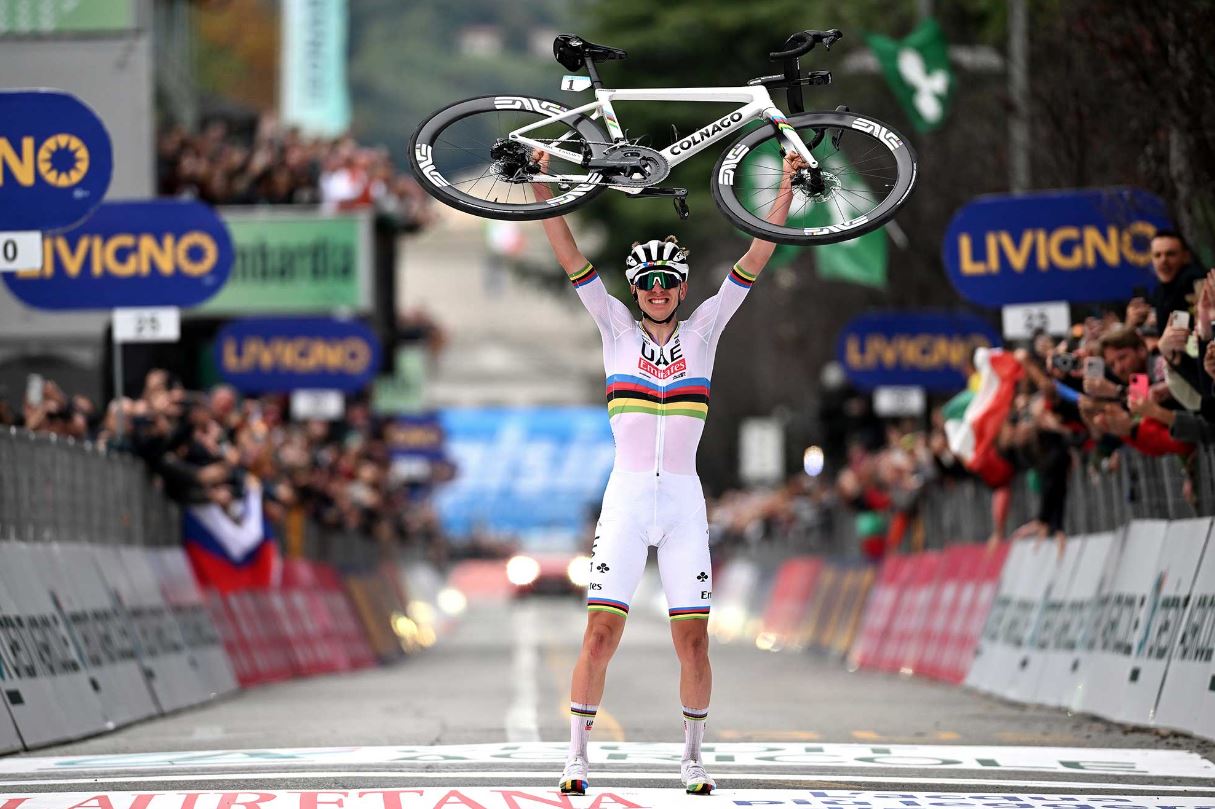
The understanding your heart’s rhythm can unlock endurance, precision, and power on every ride
The heartbeat as a compass
In cycling, the body is more than a machine of muscles and gears. It is a living rhythm, guided by the steady pulse of the heart. Every ascent, sprint, and recovery tells a story written in beats per minute. Heart rate training allows cyclists to read that story, to interpret effort through the language of physiology rather than perception alone. It transforms training from guesswork into insight, from vague effort into measured progress. The heart does not lie. It speaks of fatigue, of adaptation, and of balance between strain and strength.
When riders train without understanding their heart rate, they often ride by feel, guided only by motivation or habit. Some push too hard too often, others hold back when they could build endurance more efficiently. Heart rate zone training introduces structure. It divides the body’s effort into distinct levels, each serving a different purpose, recovery, endurance, tempo, threshold, and power. Learning to navigate these zones turns instinct into intelligence. The cyclist no longer rides against the clock or terrain alone, but in harmony with the body’s signals.
The science behind the rhythm
At its core, heart rate training is the study of how the cardiovascular system responds to stress. The heart pumps oxygen-rich blood to muscles, fueling them for motion. As intensity rises, the demand for oxygen increases, and so does heart rate. This relationship forms the foundation of the training zones. By measuring beats per minute during effort and rest, a cyclist can quantify how hard the body is working and how efficiently it recovers. The rhythm of the heart becomes both guide and gauge.
Heart rate zones are typically expressed as percentages of maximum heart rate, which is the highest number of beats the heart can achieve under maximal effort. While formulas such as 220 minus age offer rough estimates, individual accuracy improves through testing. A more reliable method involves field assessments or laboratory measurements that determine lactate threshold and resting heart rate. The combination of these values reveals not only limits but opportunities. Training then becomes a process of refinement, where each ride strengthens the connection between effort and adaptation.
Understanding the zones
Each heart rate zone has a unique purpose, like chapters in the story of endurance. Zone one, the recovery zone, is gentle and restorative. It supports active recovery between hard sessions, improves circulation, and encourages fat metabolism without fatigue. Zone two is the endurance zone, where long rides build aerobic capacity. Cyclists spend most training time here because it teaches the body to use oxygen efficiently and strengthens the foundation for all higher efforts.
Zone three introduces tempo, steady, controlled intensity where the body begins to feel resistance but still operates below its limit. It bridges comfort and challenge, teaching consistency. Zone four is the threshold zone, where the cyclist rides near the maximum sustainable effort. Training here improves the body’s ability to clear lactate and maintain speed over longer periods. Finally, zone five is the peak, reserved for sprints, climbs, or short intervals. It pushes the cardiovascular system to its limits, expanding capacity and power. Together, these zones create a complete spectrum, mapping the path from calm rhythm to controlled chaos.
How to determine your personal thresholds
Accurate training depends on personal data, not averages. To find individual heart rate zones, riders can use several testing methods. The most common is the field test, a twenty-minute sustained effort at maximum manageable pace. The average heart rate during this period represents the functional threshold heart rate, a critical reference point for zone calculations. From there, zones are derived as percentages above and below that threshold. It is a practical approach that reflects real-world effort rather than theoretical numbers.
For those with access to advanced tools, laboratory testing provides even deeper insight. By measuring blood lactate concentration and oxygen consumption, professionals can identify the precise point where fatigue begins to rise sharply, the threshold where aerobic effort transitions into anaerobic strain. This data refines training plans, ensuring that every ride targets specific physiological responses. Whether through technology or self-assessment, the goal remains the same: understanding how effort translates into adaptation, and how the heart reflects that transformation with every beat.
Using zones to shape your training
Once established, heart rate zones become the blueprint for structured training. Recovery rides stay within the lower ranges, allowing muscles to heal without strain. Endurance rides maintain steady rhythm in zone two, building stamina without exhaustion. Tempo and threshold sessions alternate intensity to simulate real-world challenges like rolling hills or competitive pacing. Short bursts in zone five sharpen speed and responsiveness. The balance between zones defines progression. Too much time at high intensity leads to burnout, while staying only in comfort zones limits growth. The art of training lies in knowing when to push and when to pause.
Modern cycling computers and smartwatches simplify the process by displaying live heart rate data during rides. This feedback allows instant adjustments. If the heart rate climbs higher than planned, the rider can ease the effort; if it lags behind, it may signal fatigue or dehydration. Over time, these patterns reveal trends, improved recovery, higher thresholds, and greater consistency. The numbers become more than data. They become evidence of transformation, showing how discipline shapes endurance.
The role of recovery and variability
Heart rate training is not just about performance but about understanding recovery. The difference between resting heart rate and elevated heart rate reveals how well the body adapts to stress. Monitoring resting heart rate each morning helps detect fatigue before it becomes overtraining. A sudden increase of several beats may indicate dehydration, lack of sleep, or accumulated strain. Recognizing these signs allows for timely rest, preventing injuries and ensuring long-term consistency.
Heart rate variability, the subtle variation between each heartbeat, offers another layer of insight. High variability indicates a relaxed, adaptable nervous system, while low variability signals stress or fatigue. Many modern fitness devices can measure this metric, helping athletes fine-tune training intensity. By respecting the body’s rhythm, cyclists avoid the trap of constant effort and discover that recovery is not the absence of training but its essential partner. Growth happens in cycles, and the heart provides the metronome.
Combining power and heart rate data
While heart rate reflects physiological effort, power output measures mechanical performance. Together, they create a complete picture of cycling fitness. Heart rate responds to stress, temperature, and emotion, while power remains objective, independent of these factors. Comparing the two helps identify efficiency. If heart rate increases while power remains stable, it may indicate fatigue or overheating. If power improves at the same heart rate, it signals progress, the body becoming more efficient in delivering energy.
Using both metrics together also refines pacing strategy. During long rides or races, riders can avoid early burnout by keeping heart rate below threshold even when adrenaline tempts them to push harder. Conversely, during short sprints or climbs, maintaining power targets ensures intensity where it matters most. Heart rate data complements power by providing context. Numbers alone do not make an athlete; understanding how those numbers relate to human rhythm does.
Adapting training through the seasons
Heart rate zones evolve with time, just as fitness and environment change. In winter, when training shifts toward base endurance, riders may spend most time in lower zones, building aerobic capacity. As racing season approaches, intervals in higher zones become more frequent, sharpening speed and threshold resilience. Weather, altitude, and hydration all affect heart rate, sometimes requiring recalibration. Listening to the body ensures that training intensity remains appropriate for current conditions.
Seasonal adaptation also includes mental renewal. Structured plans can easily turn into routine, but heart rate training introduces variety. Different zones bring different sensations, from the meditative calm of recovery rides to the exhilaration of sprints. Each session has purpose, each heartbeat a role in the broader symphony of progress. The rhythm of training becomes the rhythm of the year, a steady pulse that aligns body and mind with the changing road ahead.
Common mistakes and how to avoid them
One of the most frequent mistakes in heart rate training is misunderstanding effort. Riders often chase high numbers, believing that more intensity equals better progress. In truth, excessive time in high zones leads to fatigue and diminishing returns. The body improves through balance, not constant strain. Another mistake is neglecting hydration and nutrition, both of which influence heart rate. Dehydration can elevate beats per minute even at low intensity, distorting data and creating false impressions of effort.
Improper equipment calibration can also mislead training. Chest straps generally offer more accuracy than wrist-based monitors, especially during vibration or cold conditions. Finally, ignoring rest days undermines adaptation. The temptation to train daily, driven by enthusiasm or competition, can silence the signals the heart sends. The best cyclists know when to listen and when to wait. Their progress is measured not only in miles or speed but in the quiet wisdom of knowing when the heart asks for stillness.
Riding by the rhythm within
Heart rate training is more than a scientific method. It is a dialogue between will and biology, a partnership that transforms raw effort into refined endurance. Each beat marks a moment of awareness, a reminder that cycling is not conquered through force but through connection. The heart becomes both teacher and mirror, showing the truth of every ride. It rewards patience, punishes recklessness, and reveals the beauty of balance.
When the road stretches endlessly and fatigue begins to whisper, the trained rider no longer panics. They understand their rhythm, trust their pace, and know when to push or to rest. The pulse that once raced wildly becomes a guide through every climb and descent. In the silence between breaths, the heart’s rhythm continues, steady and wise. It reminds the cyclist that the journey is not only measured in distance but in harmony, between effort and recovery, between mind and muscle, between the heartbeat and the open road.