

Sustaining Power for the Endless Ride
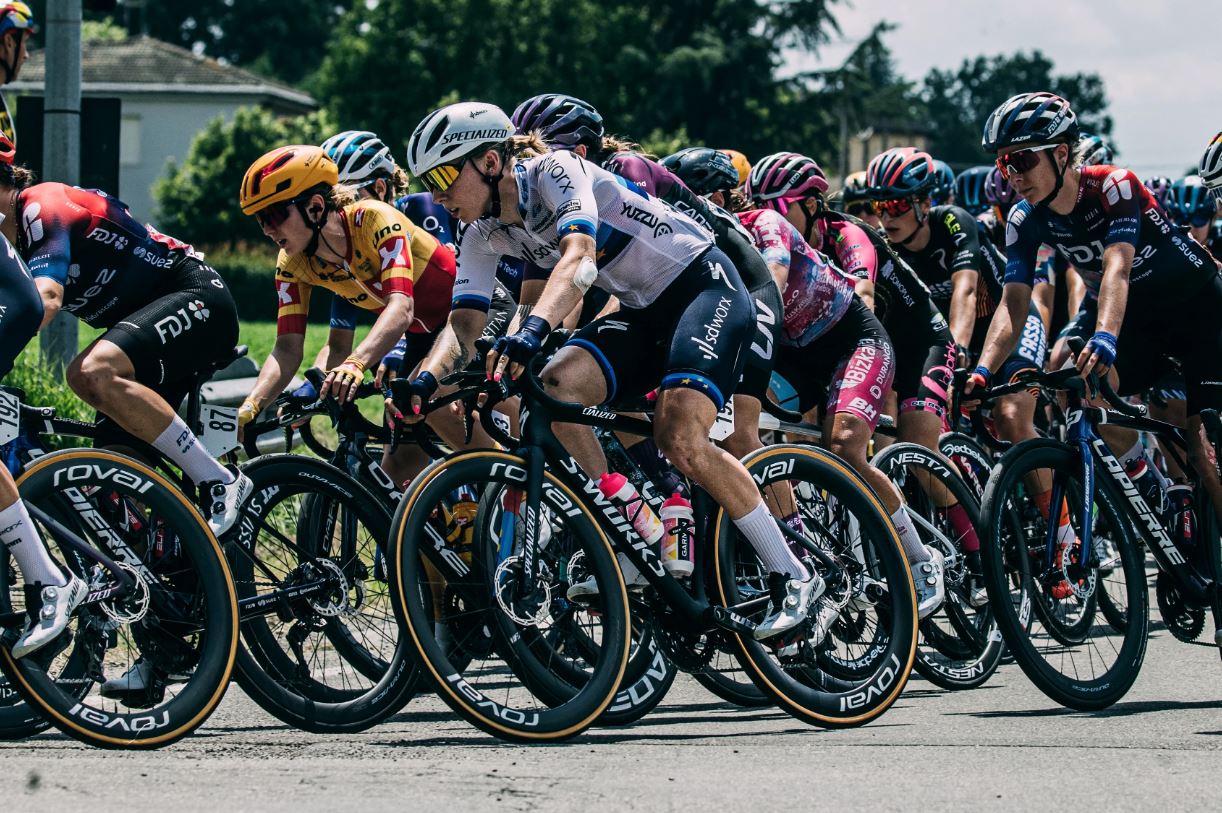
Exploring the science and discipline of nutrition that powers endurance athletes through the longest roads and toughest climbs
The foundation of endurance fuel
Endurance athletes rely on a relationship with energy that goes far beyond ordinary eating. Every long ride, marathon, or triathlon is not simply a contest of willpower but an intricate dialogue between physiology and fuel. The human body is a remarkable engine, but it can only perform when properly supplied with nutrients that sustain long-term effort. Without balanced nutrition, even the most skilled rider will eventually face the familiar wall of fatigue. Understanding how the body stores, uses, and replenishes energy is the first step toward mastering endurance nutrition.
At its core, endurance fuel comes from three macronutrients: carbohydrates, fats, and proteins. Carbohydrates act as the body’s most accessible energy source, converted into glucose and stored as glycogen in muscles and the liver. Fats, though slower to convert, provide a dense and long-lasting reserve that becomes essential during extended activity. Protein plays a supporting role, repairing muscles and maintaining metabolic balance. The art of endurance nutrition lies in orchestrating these nutrients to complement one another, ensuring that no single system is overstressed. Training teaches the body efficiency; nutrition teaches it resilience.
The role of carbohydrates and the art of timing
Carbohydrates remain the king of endurance fuel, yet how and when they are consumed determines their true effectiveness. During short bursts of high intensity, the body depends almost entirely on glycogen. However, these reserves are limited, typically lasting between ninety minutes and two hours depending on effort. Once depleted, performance drops sharply as the body struggles to convert fat into usable energy fast enough to maintain pace. This is why proper carbohydrate management before and during activity is crucial for sustained endurance.
Pre-event meals should focus on complex carbohydrates such as oats, rice, and whole grains, which release energy gradually and stabilize blood sugar. Simple sugars can be useful closer to the start, offering a quick energy spike without digestive strain. During long rides or races, maintaining glycogen through steady intake is essential. Energy gels, sports drinks, and fruits like bananas provide fast absorption, while bars or sandwiches deliver a slower release. The timing of intake is as important as the quantity. Consuming small portions every twenty to thirty minutes keeps the energy curve smooth, preventing sharp peaks and crashes. The athlete who masters this rhythm achieves a steady flow of energy that carries them far beyond their previous limits.
Fat metabolism and the endurance advantage
While carbohydrates dominate the early stages of exertion, fat metabolism becomes the hidden ally during extended performance. The body holds vast reserves of energy in fat, enough to power many hours of effort. The challenge lies in training the body to access it efficiently. This process, known as metabolic adaptation, is developed through consistent endurance training combined with balanced nutrition. By occasionally training in a low-carbohydrate state, athletes encourage the body to rely more on fat as a fuel source, increasing overall efficiency during longer efforts.
Dietary fats play a role in this process as well. Sources such as avocados, nuts, seeds, and olive oil provide healthy fats that support hormone function and energy metabolism. Omega-3 fatty acids, found in fish and flaxseed, reduce inflammation and enhance recovery. However, excess fat intake immediately before or during intense activity can slow digestion and cause discomfort. Strategic consumption before and after training ensures that fat contributes to sustained energy without compromising performance. The ultimate goal is metabolic flexibility, where the body transitions seamlessly between carbohydrate and fat use, ensuring steady endurance through every climb, sprint, and descent.
Hydration: the silent determinant of performance
Dehydration is one of the most underestimated threats to endurance athletes. Even a small loss of body water can impair focus, reduce strength, and elevate heart rate. Hydration affects not only temperature regulation but also nutrient absorption and muscular function. During intense activity, the body loses fluid through sweat, and with it vital electrolytes such as sodium, potassium, and magnesium. These minerals are essential for maintaining electrical signals that control muscle contractions and nerve responses. Without them, cramps, dizziness, and fatigue set in quickly.
Hydration strategies must be proactive, not reactive. Starting a session already hydrated allows the body to regulate efficiently. During rides or runs, regular sipping prevents sudden dehydration rather than attempting to recover from it later. Sports drinks containing electrolytes help replace lost minerals while providing small amounts of carbohydrates for sustained energy. Post-activity hydration continues the recovery process, replenishing fluids lost through sweat and respiration. The key lies in balance: overhydration can dilute electrolytes and cause similar problems to dehydration. Listening to thirst, monitoring sweat rate, and maintaining consistent intake create a sustainable hydration rhythm that keeps the body performing at its best.
Protein and the science of recovery
While carbohydrates and fats fuel movement, protein repairs the engine that drives it. Endurance exercise causes microscopic tears in muscle fibers, which, when repaired, grow stronger and more efficient. Protein provides the amino acids necessary for this process. Adequate intake not only supports recovery but also prevents muscle breakdown during prolonged activity when glycogen stores run low. Without proper recovery nutrition, even the best-trained athlete risks fatigue, injury, and stagnation.
The window immediately after exercise, often called the recovery window, is particularly important. Within thirty minutes of finishing, the body becomes more receptive to nutrient absorption. Combining protein with carbohydrates during this time accelerates glycogen restoration and muscle repair. Foods like yogurt, milk, or protein shakes offer quick digestion, while balanced meals later in the day sustain the rebuilding process. Sources such as lean meats, eggs, legumes, and quinoa provide the full range of essential amino acids. Endurance athletes who treat recovery as part of training, rather than a separate phase, build consistency and longevity. Recovery is not rest; it is preparation for the next challenge.
Micronutrients and the unseen essentials
While macronutrients power movement, micronutrients sustain the systems that make performance possible. Vitamins and minerals act as catalysts for countless biochemical reactions that convert food into usable energy. Iron supports oxygen transport through hemoglobin, ensuring that muscles receive adequate fuel. Calcium and magnesium regulate muscle contraction and relaxation. B vitamins aid in carbohydrate metabolism, while antioxidants like vitamins C and E reduce oxidative stress caused by prolonged exertion.
Endurance athletes have higher micronutrient demands than the general population due to increased energy turnover and sweat loss. Balanced diets rich in fruits, vegetables, and whole grains provide these nutrients naturally. However, supplementation may be necessary when dietary intake falls short, particularly for iron or vitamin D. Regular monitoring helps prevent deficiencies that silently erode performance. Nutrition should never focus solely on fuel quantity; quality shapes endurance from the cellular level upward. A well-nourished body performs not only harder but smarter, sustaining energy with precision rather than strain.
The psychology of fueling and consistency
Endurance nutrition is as much psychological as physiological. Athletes who neglect consistent fueling often do so not from ignorance but from mindset. In long events, eating can feel secondary to motion, especially when fatigue dulls appetite. Yet skipping fuel out of impatience or distraction leads to inevitable collapse. Building mental habits of consistency, fueling by schedule rather than sensation, ensures sustainability. The body’s signals during endurance efforts are not always accurate; learning to anticipate needs before they become urgent preserves strength and focus.
Training sessions serve as ideal laboratories for testing nutrition strategies. Experimenting with different foods, timing, and hydration helps identify what the body tolerates best. This prevents surprises during competition, when digestion and nerves may already be strained. Developing confidence in one’s fueling plan reduces anxiety and sharpens concentration. Endurance is as much about control as it is about courage, and nutrition represents one of the few variables fully within the athlete’s command. Discipline in fueling reflects discipline in mindset, turning physical endurance into psychological mastery.
Adapting nutrition for different endurance disciplines
Each endurance sport imposes unique nutritional demands. Cyclists, runners, and triathletes share the same principles but apply them differently based on duration, intensity, and accessibility to fuel. Cyclists can carry more supplies, allowing steady intake of solids and fluids throughout a race. Runners, in contrast, rely on lightweight gels or small sips to avoid digestive distress while maintaining motion. Triathletes face the challenge of transitioning between disciplines, requiring careful planning to avoid overloading or underfueling between swim, bike, and run segments.
Environmental factors also modify nutrition strategies. Hot conditions demand more electrolytes, while cold weather increases calorie needs as the body expends energy to stay warm. Altitude training introduces further complexity, as reduced oxygen increases carbohydrate dependency. Adaptability becomes the cornerstone of successful nutrition. The athlete who understands these nuances and adjusts accordingly maintains consistency across diverse challenges. Nutrition is not static but an evolving partnership between science, strategy, and experience.
The balance between hunger and harmony
Endurance nutrition ultimately seeks harmony rather than perfection. The goal is not to eat more but to eat with purpose. Every bite, every sip, and every decision contributes to the dialogue between effort and sustenance. The body learns through repetition, and over time, nutrition becomes instinctive. Fueling transforms from a calculated act into an art of rhythm and awareness. The rider who eats and drinks in harmony with their effort no longer fights fatigue; they flow with it. Endurance is not a battle against the body but a collaboration with it. In that collaboration lies the quiet secret of every long ride, every finish line, and every breath drawn from the deep well of human resilience.