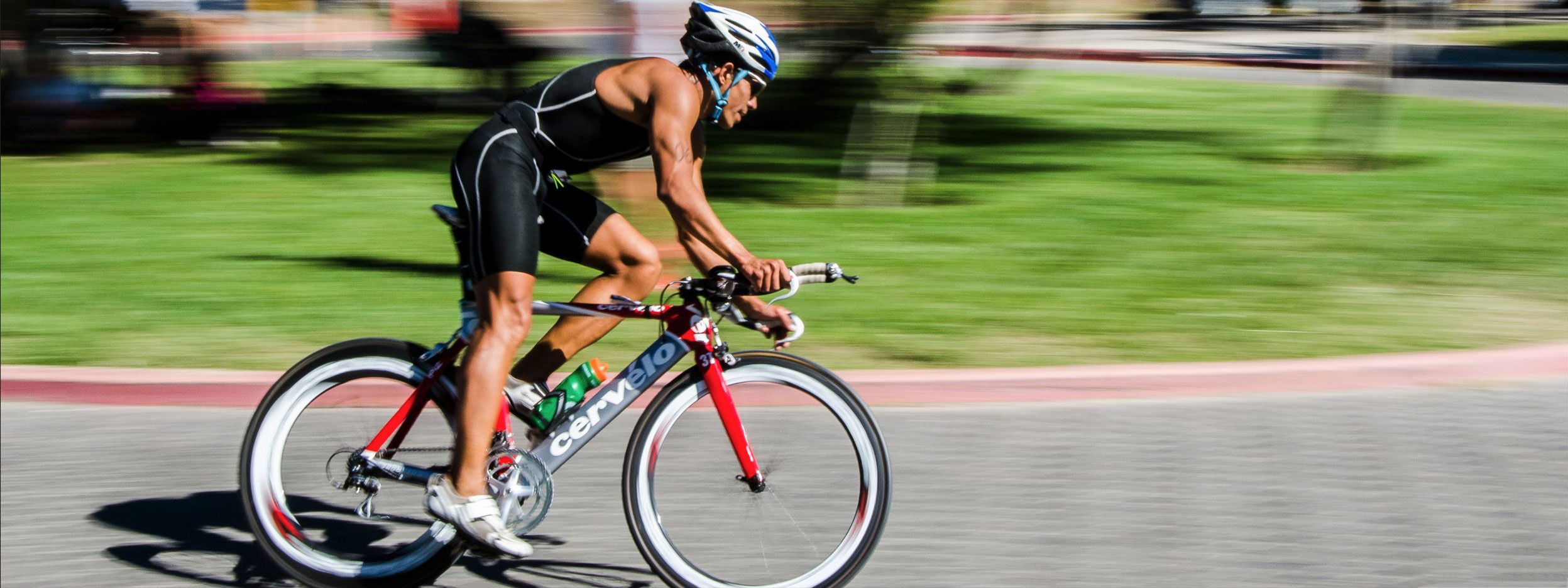

In Pursuit of Velocity - The Art and Science of the Perfect Race
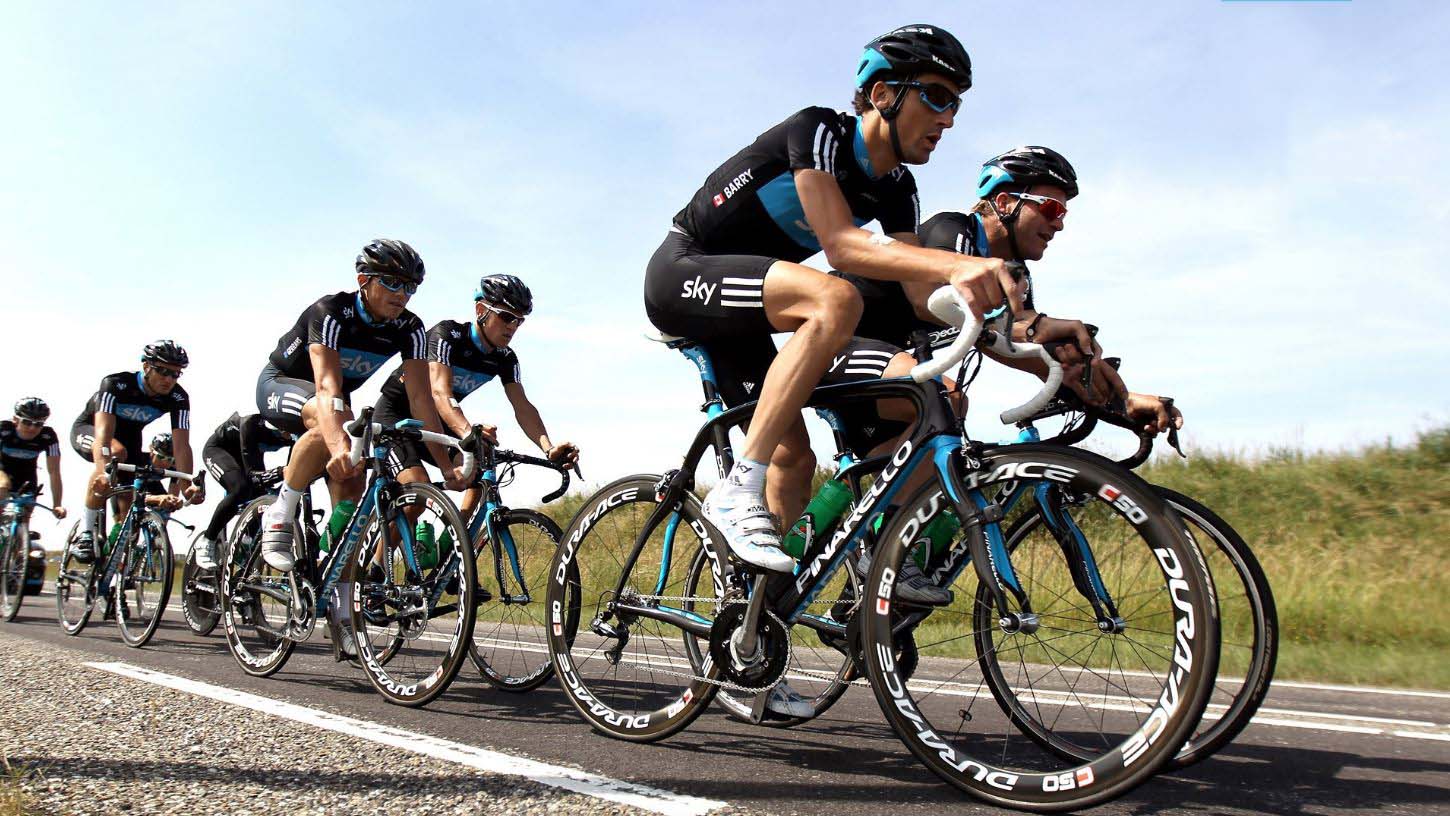
The determination, precision, and instinct shape every second on the circuit
The heart of speed and the birth of competition
From the moment humans discovered motion, racing was inevitable. The desire to be faster, sharper, and more efficient has been part of every civilization’s story. Ancient chariots once thundered across dusty arenas, where skill and bravery determined the difference between triumph and disaster. Over centuries, that same hunger for velocity evolved, finding new forms through cycling, running, sailing, and motor sports. Racing became more than a contest of who arrives first. It became a living experiment in courage, strategy, and endurance. Every race, no matter the scale, reflects the timeless struggle between limitation and aspiration.
In the world of cycling, racing captures the essence of human potential. It blends physical endurance with mechanical precision, creating a symphony of motion where rider and machine become indistinguishable. The race is not only against opponents but against fatigue, fear, and time itself. Every competitor steps onto the starting line knowing that speed is not just an outcome, but an art that must be sculpted through training, discipline, and instinct.
The science beneath the sprint
Racing is often viewed as a display of strength and speed, but behind every movement lies a complex network of physics, physiology, and psychology. The aerodynamics of a cyclist’s position can change victory into defeat within fractions of a second. The angle of a helmet, the curvature of a frame, and the drag of fabric all influence how efficiently a rider cuts through air resistance. Even the placement of water bottles on a bike is calculated to preserve aerodynamic flow.
Inside the body, energy management is the true battleground. Muscles draw from glycogen reserves that deplete with every surge of power. Heart rate, oxygen uptake, and lactic acid levels must be balanced with surgical precision. Professional riders train for years to develop an internal clock that senses when to conserve and when to unleash power. It is not simply endurance that defines success but the ability to synchronize biology with strategy. Racing at high levels is an equation where every heartbeat counts, and every breath becomes a measured investment toward victory.
Strategy in motion
No race is won by power alone. The smartest racers often outmaneuver stronger ones by reading the environment and predicting behavior. Drafting, the act of following closely behind another rider, can reduce energy expenditure by nearly thirty percent. Entire teams are built around this principle, where domestiques support their leaders by cutting wind resistance and controlling the race’s pace. Positioning within the peloton requires intuition and constant awareness. A split-second decision to move left or right can mean avoiding disaster or losing valuable seconds.
Tactics evolve throughout the race. Early on, it may be about maintaining composure and conserving energy, while the later stages demand aggression and risk. Climbers, sprinters, and all-rounders each carry their own strategies based on terrain and timing. On a steep ascent, a climber dances on the pedals, defying gravity through rhythm and balance. On a flat stretch, sprinters explode with power, turning raw muscle into momentum. The race’s final moments are rarely about pure speed but about who reads the rhythm of competition with the most precision. The difference between first and second place is often measured in courage, not numbers.
The psychology of competition
Behind every race is an invisible struggle inside the mind. The human brain interprets fatigue as a protective mechanism long before the body actually reaches its limit. Great racers learn to negotiate with this inner voice, convincing themselves to push beyond comfort. Mental training is as vital as physical conditioning. Visualization, meditation, and routine play a central role in helping riders handle pressure. Some focus on rhythm, repeating a mantra that aligns breathing with cadence. Others find strength in silence, using isolation to turn inward and erase distractions.
The moments before the starting whistle often determine the outcome. Anxiety, excitement, and doubt merge into a singular pulse of adrenaline. The best racers harness that energy instead of resisting it. They transform nerves into focus, using the chaos around them as fuel. Once the race begins, the mind enters a flow state where the world narrows to motion, sound, and space. Every turn becomes instinctual. Every pedal stroke feels like a note in a song that can only be played once. The psychology of racing is a study in self-control, where composure defines greatness.
The machinery of progress
The modern race bike is a masterpiece of engineering. Each component, from frame geometry to chain lubrication, exists to minimize resistance and maximize efficiency. Carbon fiber has revolutionized design, creating bikes that are lighter than ever yet remarkably strong. Precision gear systems allow instant power transfer, while electronic shifting ensures seamless transitions under pressure. Tires are optimized for grip and roll, balancing traction and speed. Even the paint on a frame can influence aerodynamics by affecting airflow.
Technology has not replaced the human element but enhanced it. Power meters, cadence sensors, and GPS data give riders real-time insight into performance. Training programs analyze this data to tailor workouts that target specific weaknesses. Yet, despite the growing role of machines, intuition remains irreplaceable. A racer’s understanding of how their body responds to conditions cannot be replicated by algorithms alone. The most successful cyclists know when to trust data and when to trust their instincts. The fusion of man and machine is what defines the modern era of racing, where science and soul move together in perfect rhythm.
Teamwork in an individual pursuit
To an outsider, cycling may appear to be an individual sport, but within the peloton lies a web of alliances and responsibilities. Teams operate like living organisms where each member plays a specific role. The leader is protected from wind and fatigue, while others sacrifice their chances for the greater goal. Communication during a race is subtle yet vital. Hand signals, body language, and radio messages coordinate attacks and defensive moves. It is a choreography that unfolds at full speed, where one misstep can dismantle months of preparation.
Team dynamics extend beyond the track. Coaches, mechanics, nutritionists, and strategists form the unseen backbone of every victory. The trust between a racer and their team is sacred. When a mechanic adjusts a chain or inflates a tire, they carry a portion of the outcome in their hands. In the most successful teams, ego dissolves into unity. Every rider understands that glory is shared, and even those who never cross the finish line first are part of the triumph. Racing teaches that true success is never solitary. It is born from collaboration, sacrifice, and shared belief.
Weather, terrain, and the unpredictability of the race
Racing exists within nature’s unpredictable theater. Wind, temperature, and terrain constantly reshape the competition. A headwind can destroy a lead, while a tailwind can propel an underdog toward glory. Rain transforms roads into mirrors where every turn demands bravery. Heat drains stamina, cold tightens muscles, and altitude thins the air until every breath feels like an act of defiance. Racers must adapt not just physically but mentally, learning to thrive in chaos rather than resist it.
Each course tells its own story. Mountain stages test patience and rhythm, time trials demand precision, and city circuits challenge reflexes with sharp corners and narrow paths. A true racer learns to read the road like a language, sensing its texture, gradient, and intention. The best adapt instantly, changing their riding style to match the environment. In the world of racing, control is an illusion. Adaptability is the real measure of mastery.
Beyond the finish line
The finish line is both an ending and a beginning. As the crowd roars and the clock stops, a racer’s world momentarily expands beyond pain and effort. Yet the euphoria fades quickly, replaced by reflection. Victory is sweet but fleeting. Loss, on the other hand, lingers, becoming a teacher far more persistent than success. Every race becomes part of a larger narrative of self-discovery, one that continues long after the medals are awarded.
Racers often say that the true reward is not the trophy but the journey. The discipline, resilience, and humility learned along the way extend into every aspect of life. The lessons of the road become lessons of existence, to keep moving forward, to adapt, and to never lose sight of purpose. Racing does not end when the bike stops. It continues in the quiet determination that fuels the next ride, the next challenge, and the next pursuit of excellence.
The unending chase for perfection
There is no final victory in racing, only milestones along an infinite path. Every improvement opens new questions, every record invites a challenger. The pursuit of perfection is not about achieving flawlessness but about the relentless drive to go further than before. The greatest racers understand that mastery is a moving target. What matters most is the courage to chase it without hesitation. Each race, each breath, and each turn of the wheel becomes a declaration of intent, to keep striving, to keep believing, and to keep pushing the boundaries of human possibility. In that eternal chase lies the true spirit of racing, where motion itself becomes meaning, and the finish line is never the end.