

Within the Mind of the Endless Ride
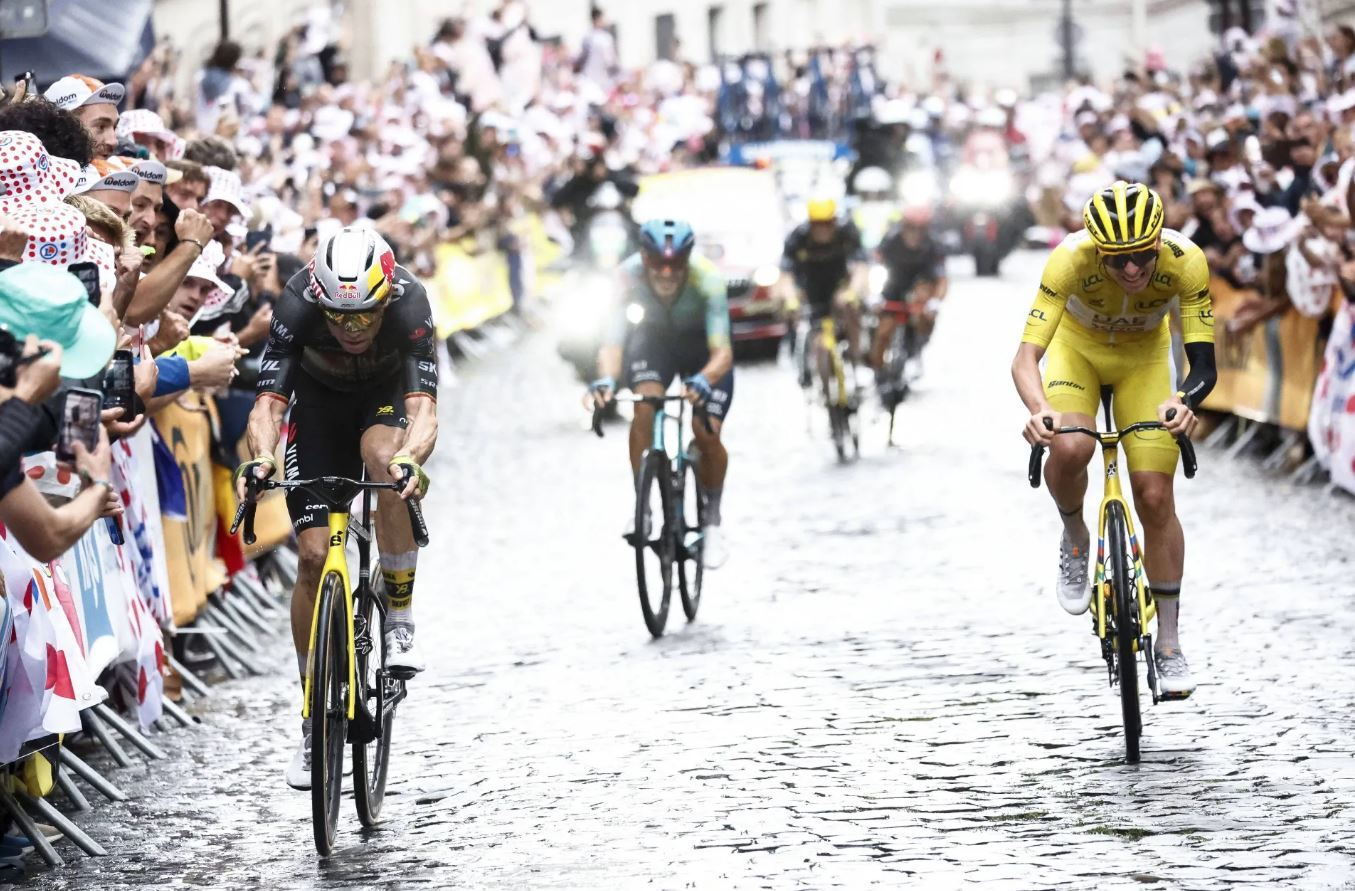
Exploring the unseen strength that guides every cyclist through fatigue, focus, and the quiet battle of endurance
The invisible climb that begins before the road
The longest journey for any cyclist often begins not on the road but in the mind. Mental endurance defines the difference between finishing a race and falling away from it. It shapes the ability to push beyond fatigue, discomfort, and doubt. Before the first pedal stroke, a rider must prepare for the unseen climb, the psychological one. It starts with understanding that endurance is not a matter of willpower alone but of mindset cultivated over time. The body follows the mind, and every act of perseverance is rehearsed in thought before it is expressed in motion.
Preparation begins with intention. Visualization and expectation-setting create the framework for resilience. When a cyclist pictures the course, anticipates the obstacles, and commits to the effort ahead, the brain begins to adapt even before the muscles engage. The mind rehearses discomfort and learns how to respond calmly. This mental conditioning builds a foundation of familiarity, allowing the rider to face real challenges with composure rather than surprise. In endurance sports, success is not found in avoiding pain but in learning to coexist with it.
The dialogue between thought and effort
Cycling is a constant conversation between body and mind. Each climb, descent, or long stretch of road presents a new question: how much further can I go? Mental endurance develops when the rider learns to respond with clarity rather than panic. Instead of focusing on the total distance left, experienced cyclists break the ride into smaller, manageable goals. One hill at a time, one minute at a time, one breath at a time. This process, known as mental segmentation, keeps motivation alive by reducing the overwhelming into the achievable.
Self-talk is another critical component. The voice in the rider’s head can either empower or undermine performance. Positive reinforcement, spoken internally or aloud, creates physiological changes that reduce stress and increase efficiency. Words shape perception, and perception shapes effort. Telling oneself, “I am strong,” or “I can recover,” can redirect focus from pain to purpose. When the body begins to tire, the mind becomes both the compass and the engine, guiding effort with belief rather than fear. The best cyclists are those who learn to turn thought into fuel.
Focus and the art of staying present
Distraction is the enemy of endurance. In long rides or races, the mind easily drifts, to the next turn, the next competitor, or the finish line that still feels far away. Mental endurance depends on presence. A focused mind processes effort as it comes rather than worrying about what remains. Cyclists train focus the same way they train muscles: with repetition. Techniques like mindful breathing or counting pedal strokes help anchor attention. Over time, the ability to return to the moment becomes instinctive. When focus aligns with rhythm, motion becomes effortless, and fatigue fades into background noise.
Many athletes use meditation as part of their mental training. Simple mindfulness practices, even a few minutes each day, build awareness and emotional control. They reduce performance anxiety and improve concentration during competition. Meditation is not about clearing the mind but about observing thoughts without attachment. A cyclist who can remain calm under pressure, who does not react impulsively to discomfort or setbacks, gains an enormous advantage. The mind learns to lead with patience rather than panic, creating a mental stillness that sustains performance under strain.
Turning adversity into adaptation
Every endurance athlete encounters adversity, a mechanical issue, a sudden cramp, harsh weather, or a stronger competitor. What separates seasoned riders from the rest is not the absence of problems but the response to them. Mental endurance transforms challenges into opportunities for adaptation. Instead of asking, “Why is this happening to me?” the resilient cyclist asks, “How can I work with this?” This shift in perspective changes frustration into problem-solving and transforms setbacks into training for composure.
Training adversity intentionally is a powerful method of growth. Some riders purposely choose difficult routes, unpredictable weather, or longer distances to test their limits. These controlled hardships desensitize the mind to discomfort and teach flexibility. When the real race presents similar challenges, the brain recognizes them as familiar territory. Over time, discomfort becomes data, not danger. The rider stops fearing pain and begins using it as information, a signal of effort, not limitation. In this way, adversity becomes an ally, and every obstacle becomes an invitation to grow stronger.
Emotional regulation and mental recovery
Endurance sports demand emotional stability. High-intensity moments such as climbs, sprints, or competition require the ability to remain calm while the body strains. Adrenaline may push performance temporarily, but sustained success depends on control. Emotional regulation helps manage excitement, frustration, and fear. Breathing techniques, mental resets, and pacing strategies all contribute to maintaining balance. Just as muscles need recovery after physical strain, emotions need time to settle after mental exertion.
After long events, reflection becomes part of recovery. Reviewing performance without judgment allows the cyclist to learn objectively. Identifying what went well, what can improve, and how challenges were handled strengthens self-awareness. This form of mental recovery prevents burnout by transforming experience into knowledge rather than regret. It keeps motivation alive and ensures that every setback contributes to future strength. Mental endurance, like physical endurance, thrives on cycles of effort and rest, pressure and release.
Building confidence through consistency
Confidence is the fuel of endurance. It does not appear suddenly but grows through consistent effort and evidence of progress. Each ride completed, each goal achieved, adds a layer of trust between mind and body. Confidence reduces hesitation, replacing uncertainty with readiness. When challenges arise, the brain recalls previous victories and recognizes the pattern of perseverance. This creates a self-reinforcing loop of belief and performance. The more a cyclist practices pushing limits, the more natural it becomes to do so again.
However, confidence must remain grounded. Overconfidence can lead to reckless pacing or neglecting recovery. True confidence is quiet and measured. It comes from knowing one’s capabilities and respecting one’s limits. Balanced confidence allows adaptation under pressure without losing focus. It is the calm assurance that even when circumstances shift, control remains possible. Every pedal stroke becomes a reminder of previous strength, and every finish builds the mental archive that sustains the next challenge.
The connection between physical and mental endurance
Physical training strengthens mental resilience, and mental discipline enhances physical performance. The two are inseparable. Long rides condition the mind to tolerate discomfort, while mental focus allows the body to reach deeper reserves of energy. Fatigue often begins in perception. When the brain interprets effort as unbearable, the body responds by slowing down. Yet research shows that most athletes rarely reach true physical exhaustion. Instead, the mind acts as a protective mechanism, convincing the body to stop before real limits are reached. Mental training teaches the brain to reinterpret these signals and extend performance safely.
Practical integration of both aspects can be achieved through structured workouts that challenge concentration and pacing. For instance, interval training requires not just physical exertion but awareness of timing, recovery, and rhythm. During these sessions, the rider practices maintaining composure under strain, preparing for similar conditions in real-world events. The body adapts through repetition, and the mind learns through focus. Together, they form endurance that transcends physical boundaries and becomes a unified expression of will.
Visualization and the science of anticipation
Visualization is one of the most effective mental tools in endurance sports. When a cyclist mentally rehearses a ride, imagining the terrain, effort, and emotions involved, the brain activates the same neural pathways used during actual performance. This mental simulation enhances confidence and prepares the nervous system for the sensations of exertion. Athletes who visualize regularly show improved reaction times, better pacing, and reduced anxiety. The mind, in essence, practices before the body does.
Effective visualization requires detail and emotional engagement. The cyclist should imagine the feel of the handlebars, the sound of the tires, the rhythm of breathing, and the fatigue of the climb. By associating these sensations with positive outcomes, such as strength or calm, the brain begins to pair effort with reward. Over time, visualization builds a library of mental experiences that can be accessed during competition. When fatigue hits, the rider recalls moments of mental rehearsal, finding composure where panic might have once taken hold. It is not fantasy but preparation disguised as imagination.
Resilience through purpose and meaning
The deepest source of endurance comes from purpose. Physical strength and mental discipline can carry a cyclist far, but meaning gives direction to the struggle. Whether the motivation is personal growth, competition, or connection to nature, purpose sustains effort when everything else fades. It turns pain into progress and exhaustion into expression. When a cyclist rides with intention, every mile becomes part of a larger narrative. The road ceases to be a test and becomes a teacher.
Purpose also provides emotional protection against burnout. When the journey aligns with values, motivation remains stable even during setbacks. Riders who train for reasons beyond performance, for mindfulness, community, or personal exploration, develop endurance that transcends sport. Their motivation is not limited to winning but to growing. This mindset ensures that every ride, regardless of outcome, contributes to something meaningful. It transforms endurance from survival into fulfillment.
The mind that keeps turning the wheels
In cycling, the legs may drive motion, but the mind determines direction. Mental endurance is the quiet strength that sustains the rhythm when fatigue whispers to stop. It is built through reflection, training, and the courage to face discomfort without fear. The cyclist who learns to master thought as well as motion discovers that the mind is not a limit but a landscape waiting to be explored. Every climb, every challenge, every quiet mile is an opportunity to shape resilience anew.
When the road stretches endlessly ahead, it is not distance that defines endurance but perspective. The rider who sees each moment as part of a continuous story will never truly run out of strength. Mental endurance is not about resisting the struggle but accepting it as part of the ride. It is about knowing that the finish line is not an endpoint but a reflection of everything learned along the way. In the silence between breaths, the cyclist finds something deeper than stamina, the realization that persistence is not just motion, it is meaning in motion.