
The Unwritten Stories of the Long Ride
How endurance cycling reshapes the body, the road, and the mind
The silent beginnings of a lifelong pursuit
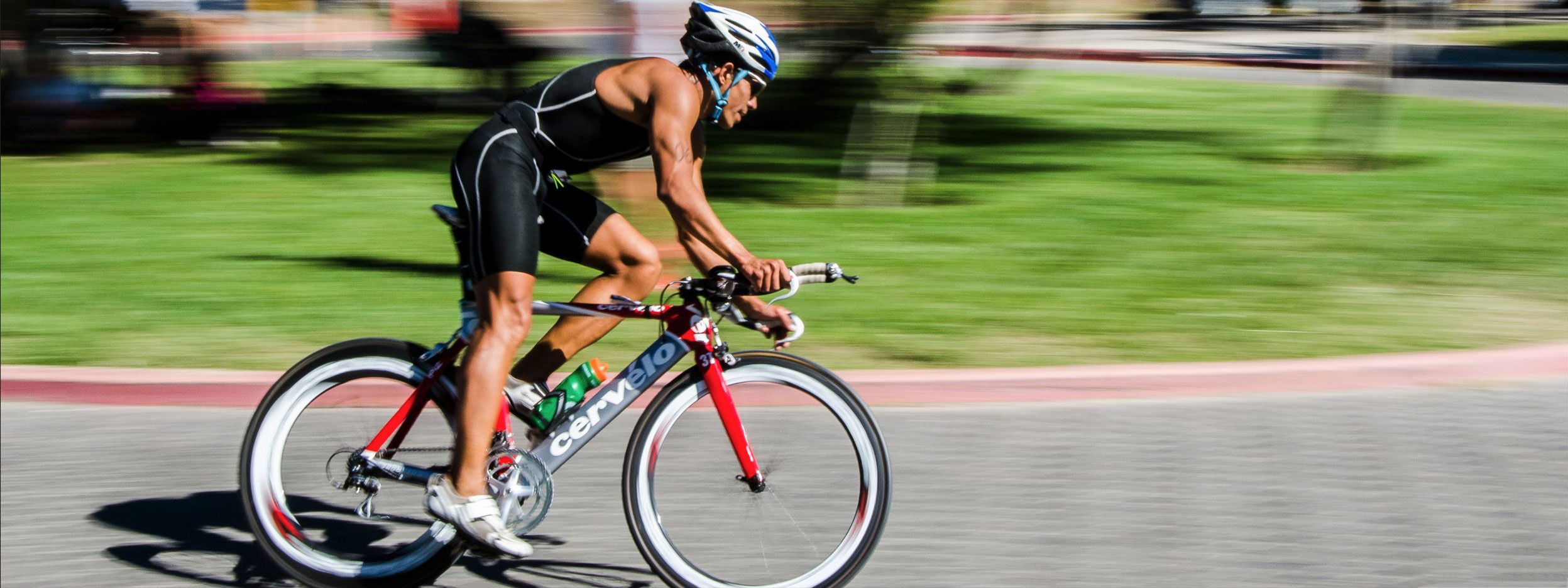
Every cyclist remembers the first long ride. It begins with a restless curiosity, a desire to see what lies beyond the next hill or the next town. The air is cool in the early hours, and the bike hums softly beneath you. With each turn of the pedal, the world unfolds in fragments of light and rhythm. It is not about distance yet, nor about speed or performance. It is about the moment when you realize that movement itself has meaning. The road becomes a conversation between your effort and the earth, a shared language built on persistence.
As the miles pass, the ride begins to whisper lessons about patience and humility. The climb that once seemed impossible becomes a gradual teacher, and every descent becomes a reward earned through resolve. The first true endurance ride transforms an ordinary cyclist into a traveler of limits. It is less about arriving at a destination and more about learning to stay in motion even when the body protests.
The rhythm of endurance and the science behind it
Endurance cycling exists at the intersection of biology and belief. Every muscle fiber, oxygen molecule, and heartbeat contributes to the story of survival on the road. Long-distance cyclists train their bodies to operate like machines fueled by rhythm rather than impulse. The muscles adapt to steady exertion, the lungs expand to welcome more air, and the heart learns to beat with quiet efficiency. Behind each effortless pedal stroke is a symphony of micro-adjustments performed by the body in real time.
Nutrition and hydration form the foundation of this balance. A cyclist learns that energy must be released slowly and replenished constantly. Bananas, energy gels, and electrolyte mixes are not accessories but lifelines. Even more crucial is the mind, which must negotiate discomfort with clarity. The psychological aspect of endurance often surpasses the physical. Mental fatigue can arrive quietly, disguised as doubt, and only persistence can push it away.
The companionship of solitude
Many assume that endurance cycling is a lonely sport. In truth, it offers one of the purest forms of companionship. The solitude of the open road allows a rider to meet their truest self. The hum of the tires, the whisper of wind through the helmet vents, and the quiet pulse of effort become familiar companions. Hours pass in a kind of meditative drift where thought and action merge into one seamless rhythm.
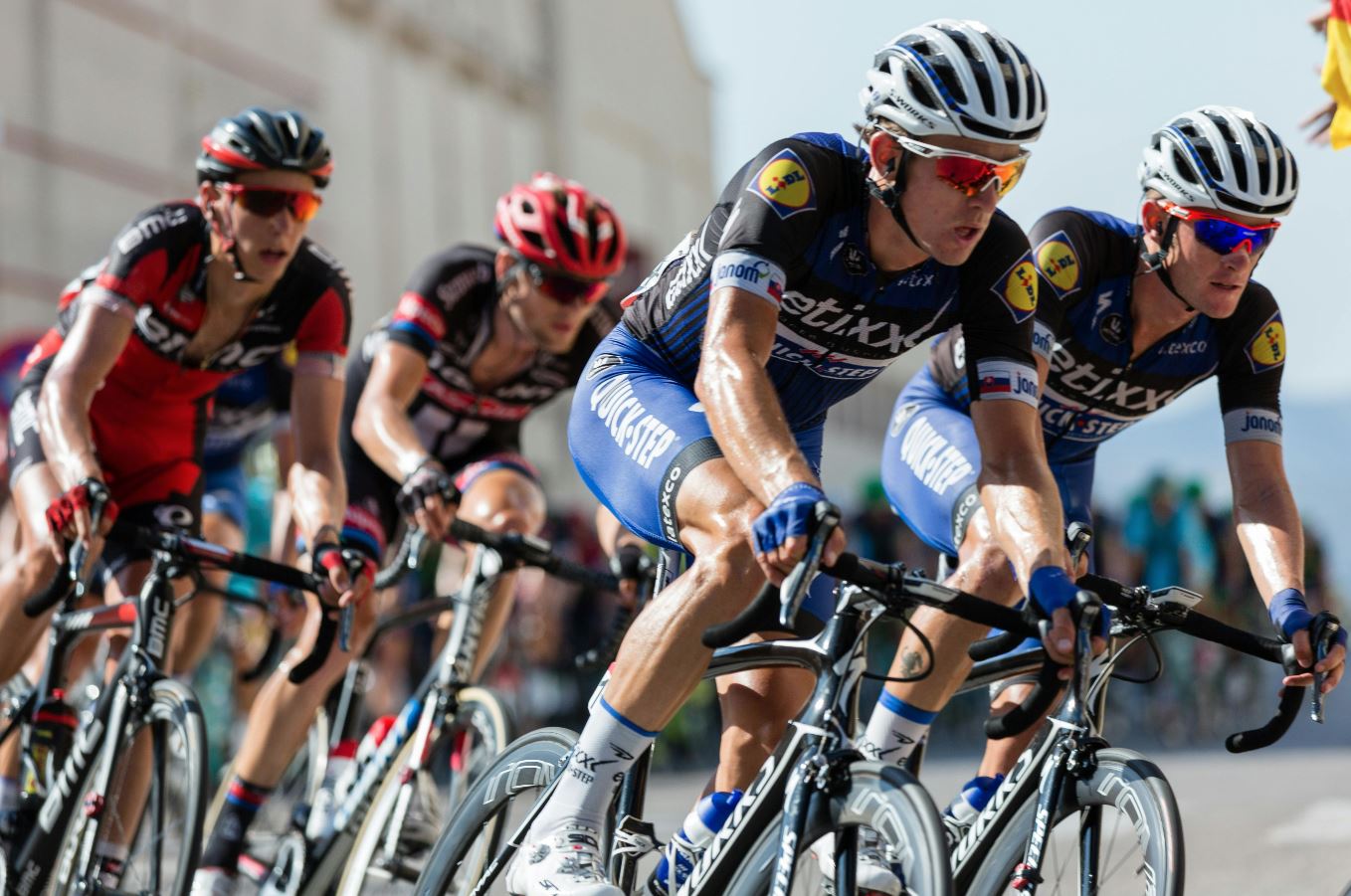
Some cyclists find company in small groups where drafting, encouragement, and friendly rivalry turn miles into shared memory. Others prefer complete isolation, finding peace in the silence that only a long stretch of country road can provide. Solitude in cycling is not about being alone. It is about being free from interruption, free from noise that does not belong to the ride. It is a space where clarity emerges and purpose renews itself.
The machine and the mind: mastering the mechanics
A cyclist’s bond with their bicycle is intimate and almost spiritual. Every adjustment, every gear change, and every sound communicates something about the health of the machine. Learning the mechanics of one’s bike becomes an act of respect. Cleaning the drivetrain, adjusting the brakes, or fine-tuning the derailleurs are rituals of care that ensure the partnership remains strong.
Modern endurance bikes are feats of engineering. Carbon fiber frames absorb vibration without sacrificing stiffness. Electronic shifting eliminates the clumsiness of tired fingers during late-stage rides. Yet technology alone does not make a cyclist stronger. The real strength lies in awareness. Understanding how the bike responds to terrain, temperature, and effort allows the rider to adapt naturally. In endurance cycling, the line between body and machine gradually fades until both seem to move as one.
The psychology of fatigue and the art of recovery
Fatigue is an inevitable visitor on any long ride. It begins as a whisper in the legs, a heaviness that signals the depletion of glycogen stores. Then it grows into a negotiation between will and weakness. The body pleads for rest, but the mind insists on one more mile, one more climb, one more push. This conversation defines the endurance cyclist’s journey. Overcoming fatigue is not about ignoring pain but about respecting its message without surrendering to it.
Recovery is the hidden half of training. Sleep becomes sacred, nutrition becomes intentional, and gentle motion replaces stillness. Stretching, massage, and light spins the day after a long ride allow the body to rebuild stronger. Over time, a cyclist learns that endurance is not forged only in motion but also in moments of stillness. True strength comes from the harmony between effort and recovery, not from relentless exertion.
Racing the horizon: when competition becomes meditation
The allure of endurance racing lies in its paradox. It is both deeply personal and profoundly communal. Riders compete not just against one another but against the course, the conditions, and their own limitations. In races that stretch for hundreds of miles, strategies evolve like living organisms. Pacing, fueling, and mindset become as crucial as physical power. The fastest riders are not always those who push hardest but those who understand how to preserve themselves over time.
The best races often end not in triumph but in quiet satisfaction. Crossing the finish line after hours or days on the road feels less like conquest and more like completion. The body may ache, the bike may be covered in dust, yet the spirit feels renewed. The horizon that once seemed unreachable becomes a reminder that every finish line is also a beginning. The cyclist learns to value endurance not as an act of defiance but as a continuous dialogue with motion itself.
The culture of the long ride
Endurance cycling is more than sport. It is a culture shaped by early mornings, quiet determination, and the timeless hum of chains against cogs. Across cities and countrysides, riders gather for charity rides, multi-day events, or informal group sessions that last until the sun fades. Stories are exchanged at coffee stops, friendships form over shared struggles, and laughter echoes down empty roads. This culture thrives on simplicity. It celebrates discipline, humility, and respect for the journey.
Bikes become symbols of identity. Each scratch, sticker, and accessory tells a personal story. Riders speak of climbs as if they were old adversaries and discuss tire pressure with the seriousness of philosophers. Beneath the technical language, however, lies something universal. The long ride connects people to the land, to each other, and to themselves. It reminds everyone who rides that motion can be both escape and return at the same time.
The road without an ending
Every cyclist eventually realizes that endurance has no final summit. There will always be a longer route, a steeper hill, or a rougher trail. Yet this is what keeps the wheels turning. The true reward of cycling is not measured in miles or medals but in the quiet satisfaction of progress. Each ride, no matter how small, adds to the story of perseverance. It is the story of the human desire to keep moving forward, to chase the horizon not to capture it, but to learn from the journey itself.