
The Flow of the Tarmac - Mastering the Subtle Art of Road Cycling
Precision, posture, and awareness turn ordinary rides into seamless movement
The foundation of control and confidence
Every road cyclist begins with the same set of tools: a bike, a road, and a desire to move forward. Yet mastery lies in how those tools are used. Control and confidence form the core of all technique. They are not built overnight but through countless hours of attentive riding. Understanding how to balance the body, distribute weight, and react to changes in terrain allows a rider to stay smooth, efficient, and safe. Confidence does not come from speed alone, but from predictability, awareness, and the ability to anticipate what lies ahead.
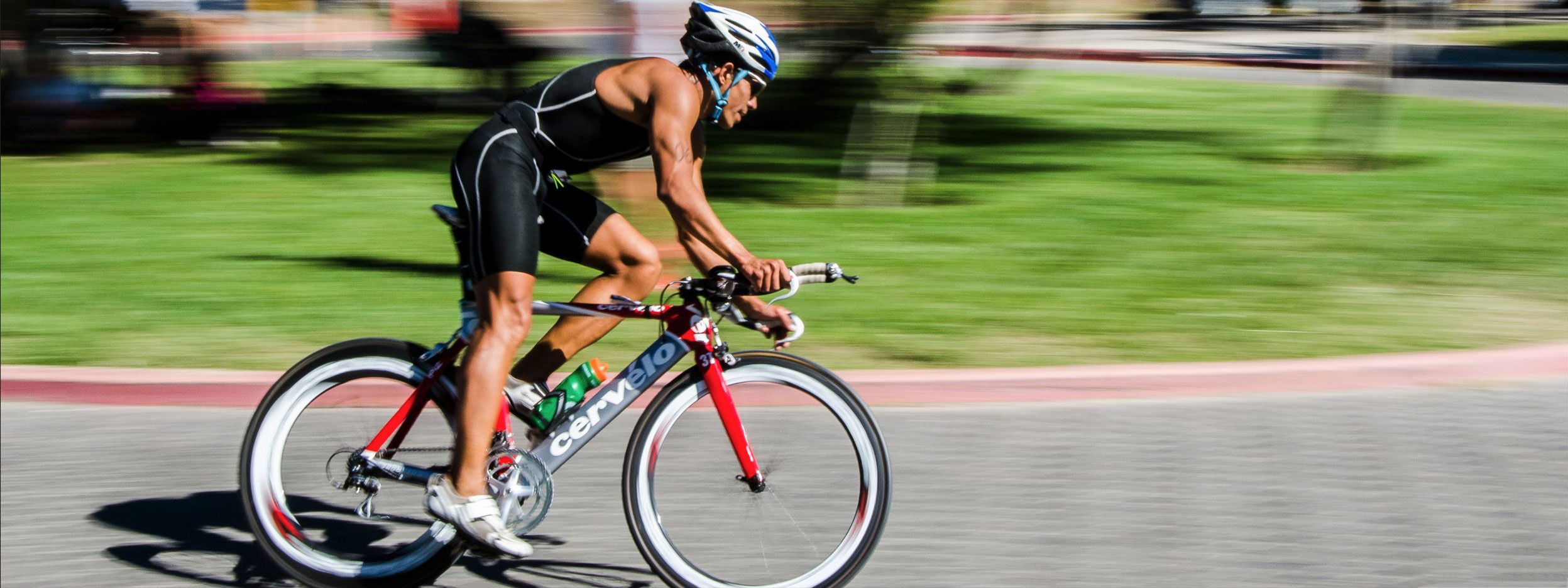
The first step in refining control is body position. The connection between the rider and the bike should feel natural, as though the two are extensions of one another. Proper posture reduces fatigue and increases handling precision. The spine should remain relaxed, shoulders loose, and hands light on the bars. A firm but not rigid grip keeps the front wheel stable without transmitting unnecessary tension. Eyes should look several meters ahead, not at the front wheel, to maintain balance and foresight. When control becomes instinctive, the road transforms from an obstacle into an ally.
The science of pedaling efficiency
Pedaling is more than simply turning cranks. It is a circular motion that, when performed efficiently, maximizes power output and minimizes wasted energy. Many cyclists push down on the pedals but neglect the pull and lift phases. The most efficient pedal stroke feels fluid, as if the feet are tracing perfect circles. This is achieved through even force distribution across the entire rotation, engaging not only the quadriceps but also the hamstrings, calves, and hip flexors.
Cadence, or the number of pedal revolutions per minute, also plays a significant role in efficiency. A steady cadence between eighty and ninety rpm allows for smoother motion and less strain on the muscles. High cadence training improves cardiovascular endurance and reduces the risk of injury by lowering muscular load. Conversely, lower cadence with higher resistance builds strength. The skilled cyclist learns to shift seamlessly between these modes depending on terrain, wind, and fatigue. Pedaling becomes less a mechanical task and more a rhythm of coordination between power and precision.
The art of cornering and balance
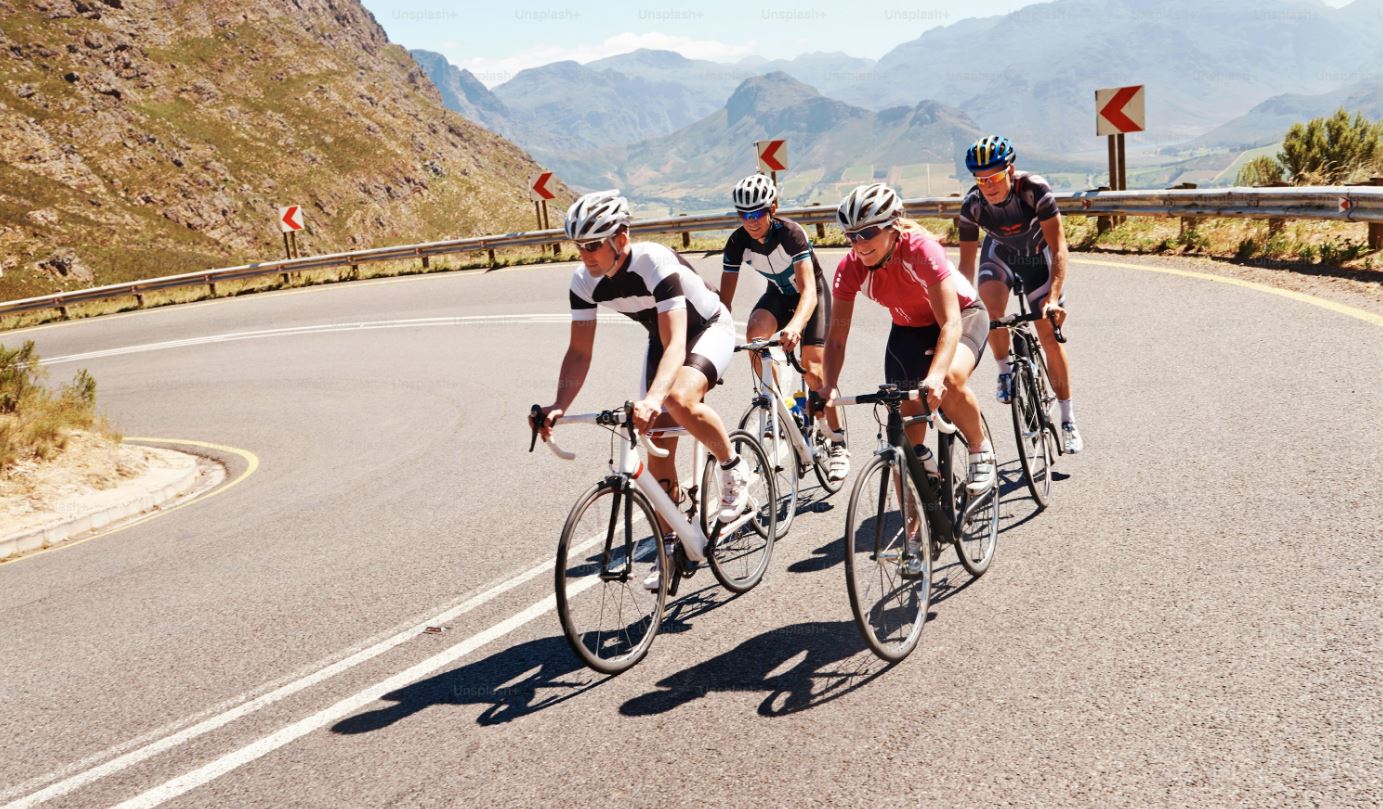
Cornering separates experienced cyclists from novices. The key to a good turn lies in understanding how to use momentum rather than fight it. Entering a corner too quickly can cause instability, while braking too late shifts weight forward and risks loss of traction. The best riders approach corners with anticipation, adjusting speed before the turn and letting the bike glide through the curve in harmony with centrifugal force. The inside knee drops slightly, and the outside pedal stays down with firm pressure to anchor balance.
Vision is critical in cornering. The eyes should always follow the exit of the turn, not the point directly ahead. Where the eyes go, the body follows. The hands and arms act as subtle guides, keeping the line stable without oversteering. Trusting the tires and maintaining even pressure through the turn preserves grip and control. On wet or gravel surfaces, smoother steering and lighter braking prevent slides. Every corner becomes a dance between balance and flow, where the goal is not to conquer the curve but to move through it gracefully.
Climbing technique and mental endurance
Climbing is often described as the purest test of cycling ability. It demands not only physical power but also mental resilience. Every ascent challenges rhythm, patience, and pacing. The secret to effective climbing lies in maintaining momentum without exhausting reserves. Standing and sitting positions each serve distinct purposes. Seated climbing conserves energy and stabilizes the body, while standing increases leverage and power for short bursts or steep gradients. Skilled riders alternate between the two to balance muscle use and manage fatigue.
Breathing becomes a conscious act on long climbs. Deep, rhythmic inhalations synchronize with pedal strokes, delivering oxygen efficiently to working muscles. Gearing also determines success. Spinning in lower gears allows for steady progress without overexertion. When the climb grows steeper, the temptation to push harder must be resisted. Smooth, consistent effort ultimately outlasts sporadic power. Climbing is as much a psychological challenge as a physical one. The mind must stay calm even as the body protests. Focusing on cadence, breathing, and posture turns the climb into a form of moving meditation rather than a struggle.
Descending with confidence and control
Descending is the most exhilarating yet technical part of road cycling. Gravity becomes both a gift and a challenge, rewarding those who respect it and punishing those who ignore it. The goal is not simply to go fast but to descend efficiently and safely. Proper technique begins with posture. The rider should lower their center of gravity by bending the elbows and tucking slightly forward, keeping the chest low to reduce wind resistance. The hands stay on the drops for maximum control and immediate access to brakes.
Braking must be smooth and deliberate. Hard braking mid-turn leads to instability, while light, controlled braking before entering the curve maintains traction. Weight distribution is crucial. The majority of the rider’s weight should rest over the rear wheel, with balanced pressure between both tires. Looking far ahead allows anticipation of road contours and obstacles. Skilled descenders trust their line and use subtle shifts in body weight to guide the bike. Mastery of descending is about finesse, not aggression. The best descents feel effortless, as if gravity itself is guiding the motion.
Group riding etiquette and efficiency
Riding in a group transforms cycling from an individual pursuit into a coordinated system of teamwork. Each rider’s movements affect the entire formation. The most fundamental technique in group riding is drafting, where cyclists follow closely behind one another to reduce wind resistance. This allows for significant energy savings, often up to thirty percent. Maintaining consistent distance is vital. Too close and there is risk of collision; too far and the aerodynamic benefit is lost. Communication through hand signals and verbal cues keeps everyone aware of upcoming hazards or changes in pace.
Rotation of positions within the group maintains fairness and consistency. Front riders bear the brunt of wind resistance and should rotate out after a few minutes, moving to the side and rejoining the back of the line. Smooth transitions preserve speed and prevent disruptions. Predictability is the essence of safety in group riding. Sudden braking or swerving can cause chain reactions. The group functions best when every member rides with consideration and discipline. Group riding is a blend of cooperation and awareness, where the collective rhythm surpasses individual effort.
Managing cadence and gear selection on variable terrain
Road conditions rarely remain consistent, and adaptability is one of the greatest skills a cyclist can develop. Proper gear selection allows for continuous momentum across flats, climbs, and descents. Anticipating the road ahead prevents loss of rhythm. Shifting gears before a hill maintains cadence without sudden strain, while easing off pedal pressure during a shift ensures smooth transitions and prevents chain stress. The goal is to maintain a consistent pedaling rhythm regardless of gradient.
Cadence should be responsive, not reactive. When a headwind appears, lowering gears to spin at a higher cadence reduces muscle fatigue. On descents, a higher gear allows for controlled speed without frantic pedaling. Over time, the cyclist develops an intuitive sense of how the road feels under each gear. This intuition creates fluidity, transforming a ride from a sequence of adjustments into a continuous flow. The road becomes less about effort and more about harmony between man, machine, and motion.
The role of awareness and anticipation
Every successful cyclist possesses an acute sense of awareness. This awareness extends beyond the bike to include surroundings, traffic, and environmental conditions. Predictive observation allows a rider to anticipate challenges rather than react to them. A glance at the horizon reveals changes in wind, terrain, or approaching obstacles. Listening to the sounds of the bike also provides valuable feedback. A creak or hum can indicate mechanical issues before they escalate. Awareness transforms from a skill into a habit, one that becomes second nature through repetition and mindfulness.
Anticipation is especially important in urban settings or group rides. Recognizing the flow of traffic, the movement of other riders, and the texture of the road helps prevent accidents. Situational awareness requires both focus and calm. Distractions, whether mental or external, reduce reaction time. The most composed cyclists appear effortless because they ride with foresight rather than surprise. They read the road like language, interpreting cues and responding with precision. Awareness is not only the foundation of safety but also the secret to true efficiency.
The road as teacher and companion
Mastery of road cycling techniques does not come from isolated drills but from attentive experience. Every ride, from short commutes to long-distance journeys, teaches something new. The road reflects the rider’s strengths and weaknesses with honesty. It rewards patience, precision, and adaptability. The more time spent listening to the rhythm of tires on pavement, the more fluid and natural each movement becomes. True skill is not about memorizing technique but about feeling its presence in every motion. The road becomes both teacher and companion, guiding the cyclist toward greater awareness and deeper connection with the art of motion. In the end, cycling mastery is not measured by speed or distance, but by the quiet confidence of a rider fully in tune with the path beneath their wheels.