
Chasing the Final Burst
Unveiling the intensity, precision, and rhythm behind sprinting drills that transform endurance into explosive power
The moment where control meets chaos
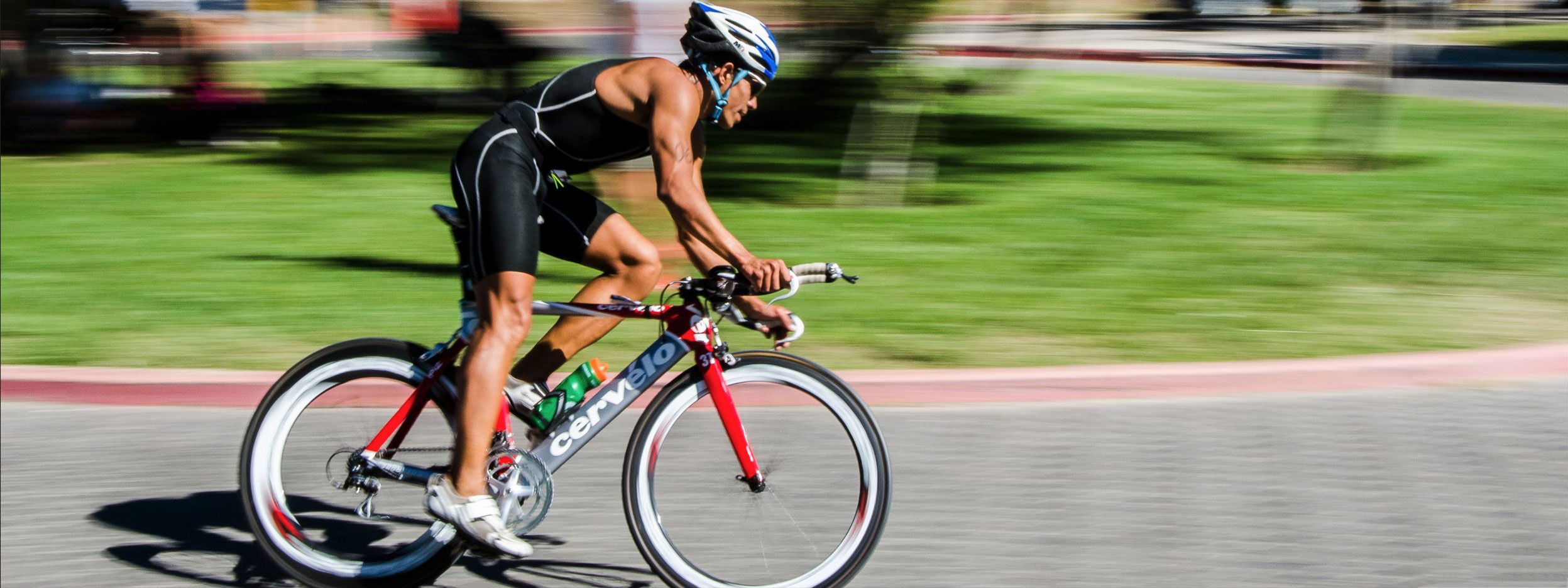
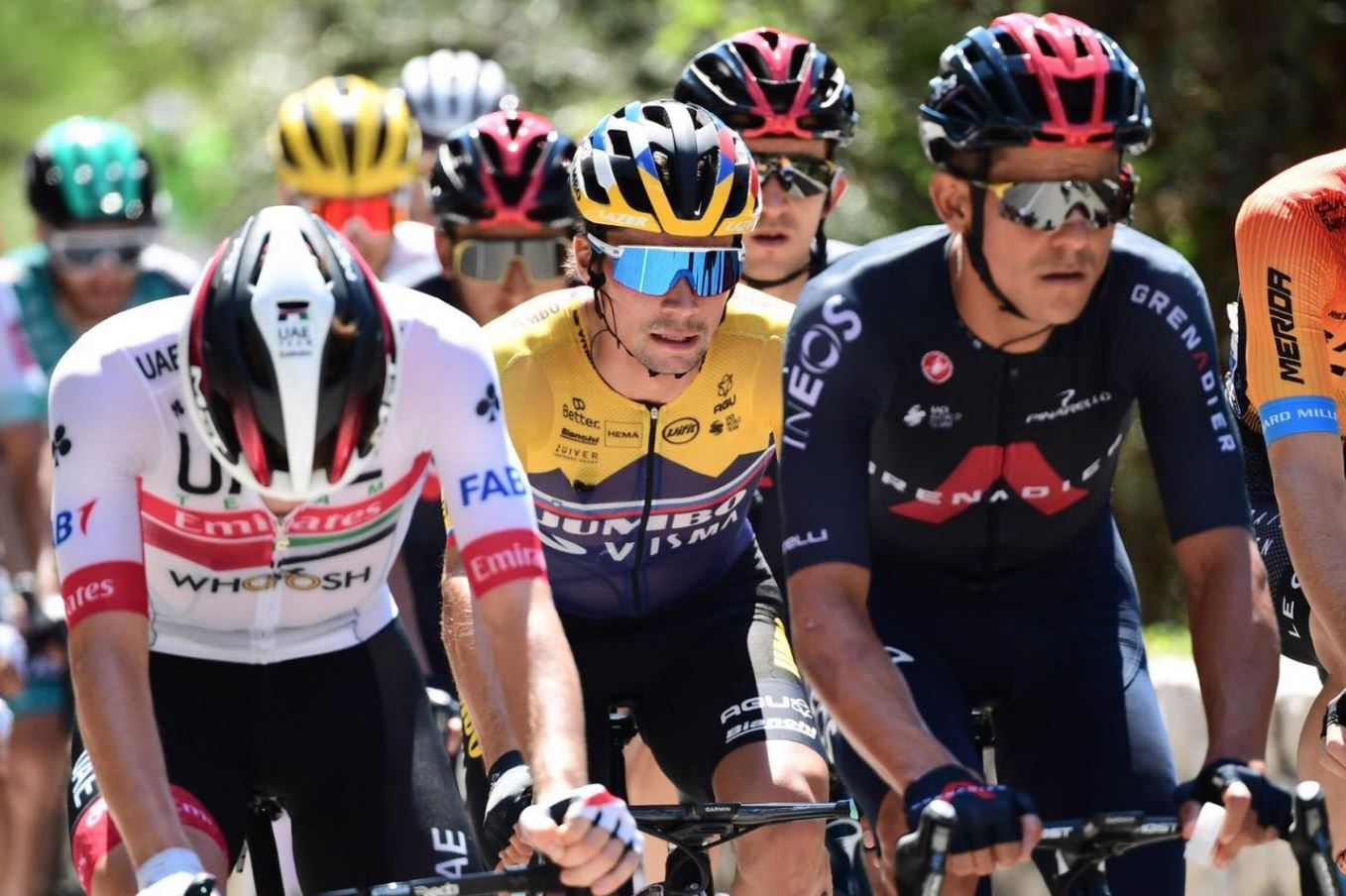
Every cyclist knows the moment when a ride turns into a race. The road stretches ahead, the muscles tighten, and the sound of the wind sharpens. This is the moment where sprinting lives. It is not just about speed, but about control in the middle of chaos. Sprinting drills train that moment, where every heartbeat counts and every second carries weight. They teach the body to react instantly, to channel all strength into one purpose: forward motion at its purest.
Unlike endurance training, which builds consistency over distance, sprinting drills demand everything in fragments of time. They test not just the legs but the nervous system, coordination, and recovery ability. The aim is not to simply go faster, but to accelerate with precision. When executed well, a sprint feels effortless yet explosive, a symphony of motion where effort and instinct blend into one continuous surge. To achieve that, the rider must train the art of transition, from calm to chaos, from rhythm to rupture, from breath to fire.
The anatomy of a sprint
Sprinting in cycling is a complex coordination of power, timing, and positioning. It begins with anticipation. Riders prepare their bodies by lowering their torsos, gripping the drops of the handlebars, and engaging their cores. The first pedal stroke is the ignition. It sends a signal through every muscle fiber, calling for maximum force. Power peaks in the first few seconds, and maintaining that peak becomes the challenge. The goal is not only to accelerate but to sustain acceleration long enough to create separation.
The body’s ability to deliver this burst depends on fast-twitch muscle fibers, which are activated through repeated high-intensity training. These fibers store immediate energy through adenosine triphosphate and creatine phosphate systems, allowing brief periods of incredible output. However, they fatigue quickly. Sprint drills train the body to delay that fatigue, increase recruitment of these fibers, and recover faster after each burst. The science behind sprinting is precise, but the experience is raw, it feels like catching lightning in motion.
Building the foundation through interval work
Before a cyclist can sprint effectively, they must develop a foundation of strength and endurance. Interval training forms the core of this process. By alternating periods of high-intensity effort with controlled recovery, the body learns to adapt to repeated stress. Classic sprint intervals include 10 to 15-second all-out efforts followed by several minutes of easy spinning. Over time, these intervals train the cardiovascular system to recover quickly and prepare for the next burst. The rider begins to feel a rhythm in the chaos, the balance between effort and recovery that defines true speed.
Advanced interval structures can include pyramid sessions, where effort gradually increases and then decreases within the same workout. For example, 10 seconds, 20 seconds, and 30 seconds of sprints separated by recovery intervals, then repeated in reverse. These sequences simulate race-like conditions, pushing both mind and body to manage intensity intelligently. The goal is not exhaustion but adaptation. Each session rewires the nervous system for sharper reaction times and teaches the muscles to perform efficiently under pressure.
Acceleration drills and explosive starts
The first few seconds of a sprint determine everything. Whether breaking from the pack or launching off the line, acceleration drills teach the body to produce maximum force instantly. One of the most effective methods is the standing start. The rider begins from a complete stop, in a slightly heavier gear, and pushes with all their strength for 6 to 10 seconds. This drill builds raw leg power, reinforces balance, and improves bike control under strain. It also trains confidence, the assurance that the bike will respond instantly when commanded.
Another essential drill is the rolling sprint. The rider accelerates from a moderate speed and then shifts gears to build momentum. The focus here is on timing the gear change perfectly to maintain smooth power delivery. Each pedal stroke must feel connected, without hesitation. The combination of speed, coordination, and awareness forms the essence of sprint control. The more precise these movements become, the more fluid the sprint feels. The goal is to make explosive power look effortless, as though speed emerges naturally from motion.
Resistance and wind training for raw strength
To sprint with authority, the body must learn to overcome resistance. Training with headwinds or slight gradients builds leg strength and power transfer efficiency. These sessions simulate the resistance felt in real race sprints, forcing riders to produce higher torque. Hill sprints, in particular, develop the kind of strength that translates into speed on flat terrain. A 6 to 8 percent incline provides the perfect environment for short, powerful bursts without overloading the joints.
Some cyclists also use resistance trainers or weighted wheelsets during controlled sessions. These tools allow for progressive overload, strengthening both muscles and neuromuscular coordination. However, such methods require careful balance, too much resistance can strain tendons and joints. The key is to increase gradually, focusing on smooth, consistent effort rather than brute force. Sprinting is not a contest of strength alone. It is the transformation of power into motion, where technique refines raw energy into velocity.
Positioning, aerodynamics, and body awareness
The position of the rider during a sprint determines both power output and aerodynamic efficiency. Lowering the torso reduces drag, but the chest must remain open enough for full breathing. Arms stay bent and relaxed, absorbing vibrations while maintaining control. The head aligns naturally with the spine, eyes focused ahead rather than downward. Even small movements, such as tensing the shoulders or gripping the bars too tightly, can disrupt balance and waste energy. Precision in posture turns strength into speed.
Body awareness is equally important. Cyclists who practice sprinting drills regularly develop an intuitive sense of how their weight shifts across the bike. They know when to pull against the handlebars, when to push through the pedals, and how to maintain traction while accelerating. These micro-adjustments are difficult to teach, yet they define the difference between efficiency and exhaustion. When executed correctly, the body feels like an extension of the machine, and every watt of energy finds its way to the road.
Training the mind for explosive focus
Mental preparation plays a vital role in sprint performance. The moment before a sprint begins is often filled with tension, anticipation, and adrenaline. Riders must channel this energy into precision rather than panic. Visualization is a powerful technique. Before each session, imagine the perfect sprint, the exact posture, the feeling of acceleration, the controlled aggression of movement. The brain learns patterns through repetition, and these imagined drills improve real-world execution.
Focus drills can also include reaction-based training. Using visual or auditory cues, riders practice reacting instantly to a signal, mimicking real-race conditions where decisions must be made in fractions of a second. These exercises sharpen awareness, teaching the rider to transition from calm pacing to full effort without hesitation. Over time, mental control becomes instinct. Sprinting stops being a reaction and becomes a deliberate choice, performed with clarity and confidence. The body may tire, but the mind remains sharp, guiding every motion toward precision.
Strength training and cross-discipline balance
Off-bike strength training enhances sprint potential by building the foundation muscles responsible for explosive force. Squats, lunges, and deadlifts develop the lower body, while core exercises like planks and leg raises improve stability. The goal is not bulk, but power-to-weight efficiency. Stronger legs push harder, but a stable core ensures that energy is not lost through unnecessary movement. Incorporating plyometric exercises such as box jumps or jump squats further refines fast-twitch muscle activation, the key to peak acceleration.
Cross-discipline sports like running, swimming, or even rowing can also support sprint development. These activities engage complementary muscle groups and improve cardiovascular versatility. However, they must be balanced carefully to prevent overtraining. Every element, from gym work to road practice, should serve one unified purpose: efficiency of power. Strength is only useful when it translates seamlessly into performance. That translation happens when the body learns to move as one, coordinated and powerful without strain.
Understanding recovery in high-intensity training
Sprinting drills push the body close to its limits. Without proper recovery, improvement stalls and fatigue accumulates. Recovery is not a luxury but an integral part of the training process. Active recovery rides, light stretching, and proper nutrition all contribute to rebuilding the microscopic muscle damage caused by sprints. Adequate sleep supports hormonal balance and muscle repair, while hydration helps remove metabolic waste. The more efficiently a rider recovers, the more power they can generate in the next session.
Many cyclists overlook the mental aspect of recovery. True rest means stepping away from competition and embracing stillness. It is during this quiet phase that adaptation occurs. The body learns, heals, and grows stronger. Ignoring recovery often leads to burnout or injury, but respecting it creates resilience. In sprinting, as in life, growth comes from cycles of exertion and renewal. Each recovery phase is an investment in the next performance, a silent preparation for the next burst of power waiting to be unleashed.
The beauty of the burst
To sprint is to experience a moment where everything converges, focus, strength, timing, and willpower. It lasts only seconds, yet within that brief span, a cyclist feels the entirety of motion distilled into clarity. The road disappears, the noise fades, and only the pure rhythm of effort remains. Sprinting drills teach more than speed; they teach control over energy, awareness of form, and the discipline to direct power with purpose. Each drill refines instinct, shaping chaos into precision.
Every great sprint is not just a display of muscle, but a reflection of preparation and balance. The countless hours spent training the small details, the posture, the breathing, the mental cues, all manifest in that single explosive act. When it all comes together, it feels like flight, as if gravity itself pauses for a moment to watch. That is the beauty of the burst, the reason cyclists chase perfection in motion, knowing that for a few heartbeats, they can turn effort into something almost infinite.