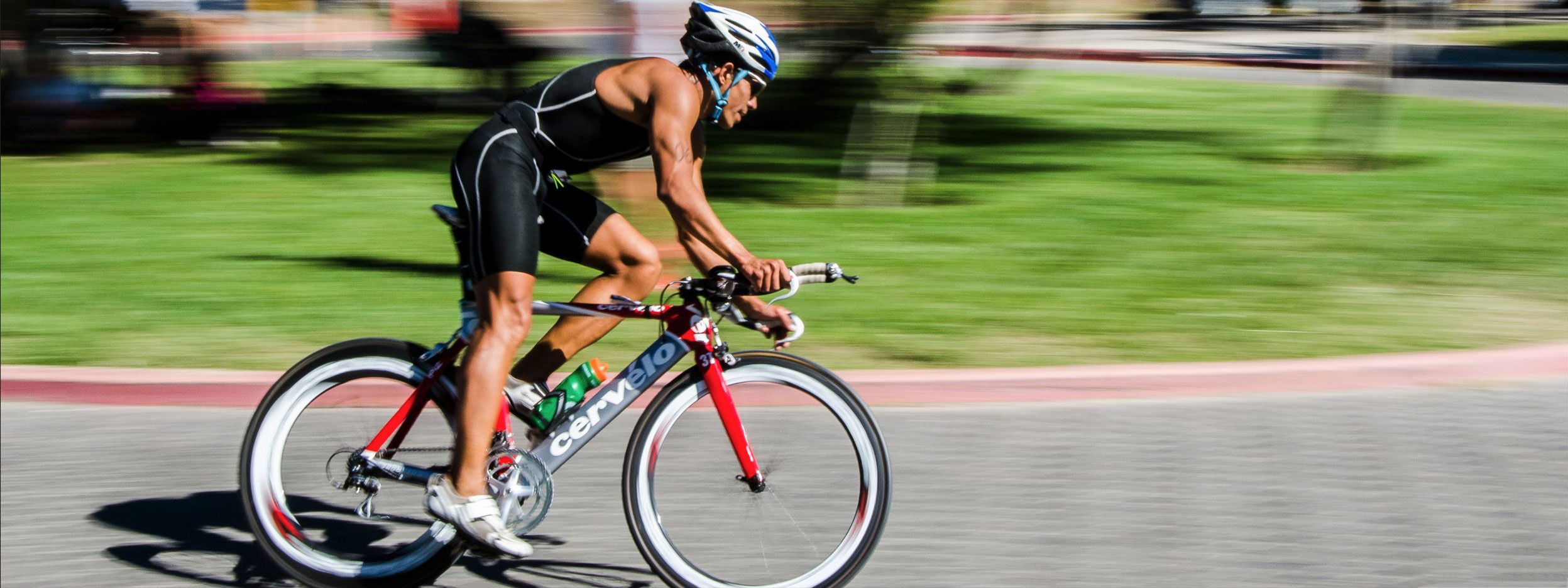

Echoes of the Peloton and the Spirit of the Road
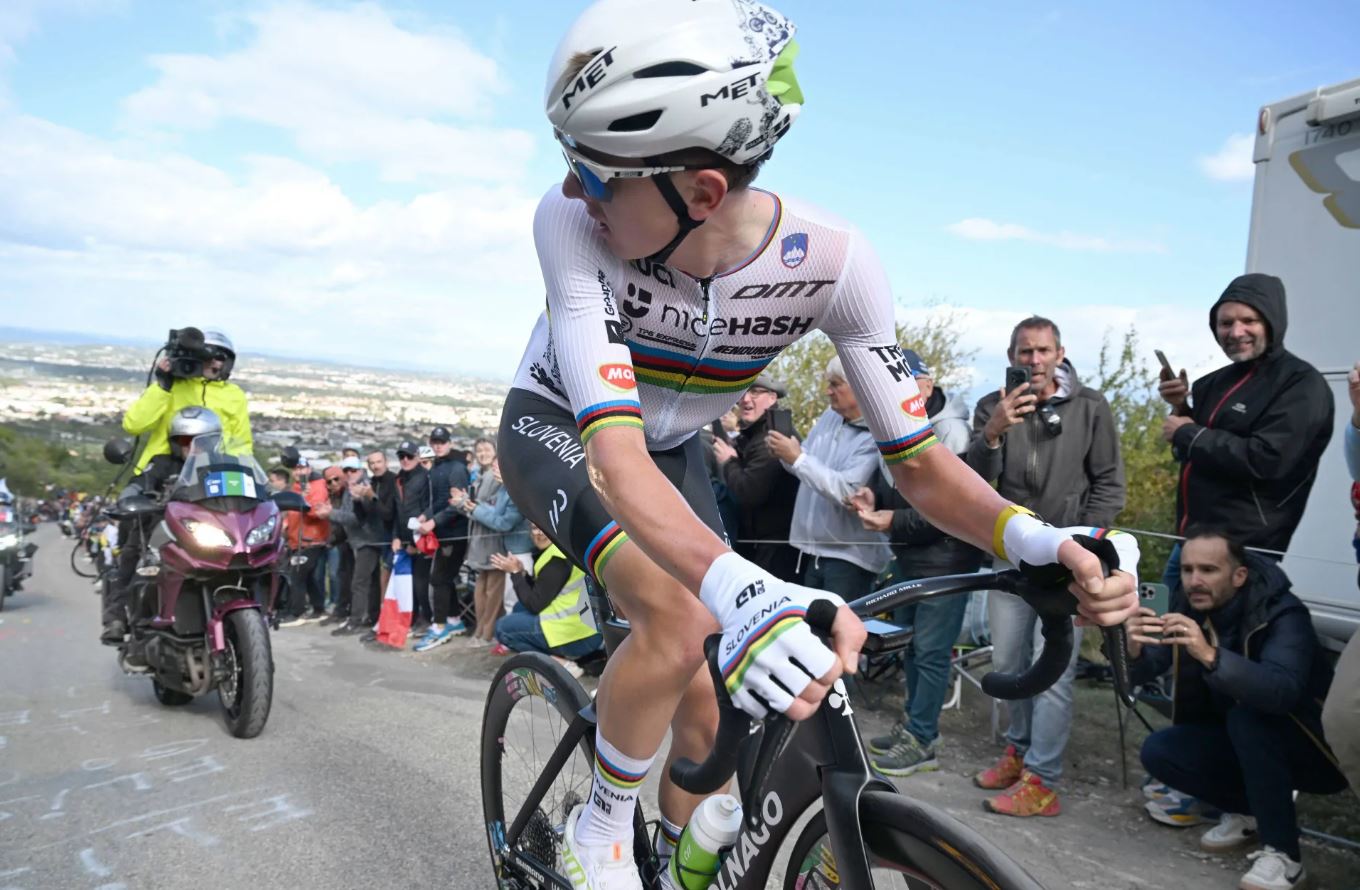
The cycling events capture the essence of endurance, teamwork, and the human pursuit of shared triumph
The spectacle that unites riders and spectators
Every cycling event tells a story far beyond the finish line. From the first click of cleats on pavement to the roar of the crowd as riders surge toward victory, these events transform roads into stages of human perseverance. The beauty of a cycling event lies in its inclusivity. It is not only a contest of speed or strength but also a celebration of endurance, strategy, and unity. Spectators line the streets not just to witness competition but to share in its rhythm and emotion. Every cheer, every flag, and every ringing bell becomes part of the living atmosphere that defines the sport.
Professional races and community rides alike embody the same spirit. The Tour de France, the Giro d’Italia, or a local criterium each tell a story of preparation, passion, and persistence. Riders who spend months training for a single day on the road bring their personal histories with them. Each event becomes a canvas where sacrifice, ambition, and teamwork are painted in motion. In the hum of tires and the blur of color, cycling reveals something deeper than sport, it reveals resilience shared between athlete and audience alike.
Preparation behind the scenes of every event
Before a single rider crosses the start line, countless hours of preparation unfold behind the curtain. Organizers map routes through winding towns and rugged countrysides, ensuring safety and precision in every turn. Volunteers, medics, and technical teams form an invisible network of support that makes the event possible. Barricades are placed, timing sensors are tested, and hydration stations are stocked. Every detail, from signage to road surface condition, contributes to the seamless experience spectators often take for granted.
For the athletes, preparation takes on a more personal rhythm. Nutrition plans, equipment checks, and strategic simulations dominate the days leading up to the race. Teams study weather patterns and elevation charts, searching for subtle advantages. Mechanics tune each bike to perfection, balancing aerodynamics with reliability. Riders rehearse climbs and descents in their minds, visualizing effort and control. The event may last only hours, but the groundwork beneath it represents months of coordination and dedication. Cycling events thrive not just on physical effort but on collective discipline.
The art of storytelling through live coverage
Cycling events come alive through the art of storytelling. Commentators, photographers, and journalists bridge the gap between the race and its audience, translating physical motion into narrative. A good commentator can transform a hill climb into a tale of courage, turning a sprint finish into poetry of precision and power. The language of cycling coverage blends analysis and emotion, allowing viewers to feel the race rather than simply watch it. Through the camera lens, every bead of sweat and every glance of determination becomes part of a shared emotional landscape.
Technology has revolutionized how cycling events are covered. Drones capture sweeping aerial views, revealing the full scale of pelotons as they snake through mountains and valleys. GPS tracking allows fans to follow individual riders in real time, while on-bike cameras offer a first-person glimpse into the chaos and strategy of the pack. Social media extends the experience beyond traditional broadcasts, connecting global audiences to the race as it unfolds. Coverage no longer ends when the race does. It continues in analysis, replay, and conversation, allowing the story to echo far beyond the finish line.
The choreography of the peloton
Within the moving chaos of the race lies a remarkable display of order. The peloton, that vast cluster of riders, is a living organism guided by instinct and communication. Each rider knows their position, their role, and their moment to act. Within it, leaders are protected, domestiques sacrifice themselves, and rivals shadow one another in silent duels of endurance. To the untrained eye, the peloton may appear chaotic, but it operates under an invisible code of trust and precision. Every lane change, every draft, and every surge reflects a balance between aggression and restraint.
Coverage that captures the intricacies of the peloton reveals cycling’s unique combination of individuality and cooperation. It is not simply a test of who pedals the hardest but of who reads the race most intelligently. Timing, tactics, and teamwork intertwine. A single misjudged move can unravel an entire strategy. For viewers, understanding these dynamics deepens appreciation. It transforms the spectacle into a strategic masterpiece, a chess match played at forty kilometers per hour, where every piece moves with intent and rhythm.
Moments that define legacy and emotion
Every great cycling event contains moments that become eternal. A breakaway that defies the odds, a crash that tests courage, or a victory that comes from years of perseverance, these moments transcend the statistics of the race. They become symbols of human spirit and endurance. When riders cross the finish line with arms raised or collapse in exhaustion, they communicate something universal: that effort, even when unseen, carries meaning. The cameras may focus on the winners, but every finisher carries a story of triumph.
For many fans, the emotional connection to these events goes beyond admiration. It becomes personal inspiration. The image of a rider pushing through pain under rain or wind mirrors the struggles of everyday life. It reminds us that progress often arrives through persistence rather than perfection. Event coverage, when done with authenticity, captures not only athletic achievement but the emotional heartbeat of endurance itself. It reminds the world that cycling, like life, is about the will to continue when the road grows steep.
The rise of community and amateur events
While professional races capture headlines, local and amateur cycling events sustain the foundation of the sport. Charity rides, endurance challenges, and city circuits bring together riders of all skill levels under a shared love of motion. These events are not just about performance but participation. They foster community, promote wellness, and connect people who might never meet otherwise. The sense of belonging found in a mass start line, where hundreds of riders share the same anticipation, is unlike any other sporting experience.
Coverage of these smaller events often reflects the true heart of cycling culture. Stories of beginners completing their first century ride or older riders returning after years away from the saddle carry authenticity that resonates deeply. These are not stories of fame but of personal milestones. The atmosphere of camaraderie, where strangers encourage one another through fatigue, defines the inclusive nature of cycling. Every event, no matter how small, contributes to the global rhythm of the sport, reminding us that every rider is part of the same continuum of endurance and joy.
Environmental awareness and modern responsibility
As cycling events grow in popularity, their environmental impact becomes a greater consideration. Modern race organizers are embracing sustainability as part of the culture. Recyclable water bottles, reduced vehicle convoys, and eco-friendly signage are now standard practices. Coverage of these initiatives highlights cycling’s potential as a model for responsible sporting events. The bicycle itself symbolizes environmental consciousness, and the sport’s ability to align with those values strengthens its social relevance.
Media coverage that emphasizes these efforts not only informs but inspires. Fans begin to see that cycling can be both competitive and conscientious. Events that promote green initiatives show that athletic excellence and environmental care can coexist. Riders who participate in these events often describe a deeper sense of purpose, knowing that their endurance supports more than personal achievement, it contributes to a sustainable future for the sport and the planet it moves upon.
Technology shaping the future of event coverage
The evolution of technology has redefined how cycling events are documented and experienced. Virtual reality simulations, data overlays, and live metrics now allow fans to see the race from entirely new perspectives. Broadcasters can display power output, cadence, and heart rate in real time, adding layers of understanding to performance. Fans no longer just see riders move; they see what effort feels like. Digital storytelling, interactive platforms, and 360-degree video bring spectators closer than ever before, bridging the gap between participation and observation.
For journalists and creators, this evolution demands new skills. The modern storyteller must blend technical insight with narrative craft. The challenge lies in balancing information with emotion, ensuring that coverage remains human even when data dominates. As technology continues to evolve, cycling event coverage becomes not just a record of performance but a multisensory experience. It invites fans to feel the wind, hear the gears, and see the determination that defines the sport’s essence. The future of coverage will not replace the thrill of the live event but will amplify its reach, ensuring that the story of the road continues to inspire across generations.
The road that connects us all
In every cycling event, from the grand tours to the smallest community rides, there is a single unifying thread: motion as meaning. Coverage captures this thread and weaves it into a tapestry of human endurance, creativity, and connection. Whether told through commentary, photography, or film, the story remains timeless. The sound of the peloton, the shimmer of sunlight on helmets, the grit of riders against the wind, these moments echo far beyond the finish line.
Cycling events remind us that every ride is both personal and collective. They teach that progress is built on rhythm, that resilience grows through repetition, and that beauty exists in the effort itself. Through thoughtful coverage, the spirit of these events continues to move hearts and minds around the world. Long after the crowd disperses and the banners come down, the essence of the ride endures, a whisper of motion that belongs to everyone who has ever turned a wheel in search of something greater than speed.