
Wheels of Awareness and the Path to Safer Roads

Understanding the habits, mindset, and preparation that keep every cyclist confident and secure on every journey
The foundation of safety begins before the ride
Every safe ride begins long before a cyclist turns the pedals. Preparation is the invisible shield that prevents most accidents and ensures that both the rider and the bike are ready for the road ahead. Checking tire pressure, brake performance, and gear alignment may seem routine, but these small actions form the foundation of reliable safety. A well-maintained bike responds predictably, allowing the rider to focus entirely on the road rather than unexpected malfunctions. Mechanical readiness equals mental calmness.
Equally important is visibility. Cyclists who plan to ride early in the morning or late in the evening must equip themselves with proper lighting. A bright white headlight and a flashing red tail light make a rider visible from afar, giving motorists the awareness they need to share the road responsibly. Reflective tape and clothing amplify that visibility, turning a cyclist into a clear presence instead of a fleeting shadow. Safety begins in these quiet moments of preparation, where attention to detail becomes a habit of survival.
The mindset of defensive riding
Confidence on the road does not come from assuming safety but from anticipating risk. Defensive cycling means riding with awareness of what others might do, not just what they should do. Cars may turn without signaling, pedestrians may cross unpredictably, and sudden obstacles may appear. A defensive rider predicts these possibilities and adjusts accordingly. Maintaining space around the bike, avoiding blind spots, and making eye contact with drivers are simple but powerful strategies. They transform uncertainty into control.
Awareness extends beyond the immediate surroundings. Cyclists should listen carefully to the environment, staying alert to approaching vehicles or shifting traffic rhythms. Music or headphones can dull this awareness, creating a dangerous disconnect from reality. Riding defensively also means avoiding emotional reactions to careless drivers. Patience and composure keep the mind clear, ensuring that decisions are made with logic rather than impulse. The safest cyclists are those who combine confidence with caution, treating every ride as a shared responsibility rather than a solo pursuit.
Positioning and road presence
Where a cyclist rides within a lane can determine how visible and predictable they appear to others. Many new riders hug the edge of the road, believing it to be the safest place. However, being too far to the side often invites risk, such as debris, potholes, or sudden encounters with car doors. The safest position is one that asserts presence. Riding a few feet from the curb increases visibility and discourages unsafe overtaking. Clear lane positioning signals intent and demands respect from surrounding traffic.
Communication is equally vital. Hand signals are not optional gestures but essential language between cyclist and driver. A raised hand to stop or a pointed arm to turn provides clarity in environments where assumptions can lead to accidents. Predictability earns trust, and trust creates safety. Cyclists who move smoothly, maintain consistent lines, and signal intentions build a rhythm that drivers can anticipate. The more predictable a rider becomes, the less likely they are to face conflict on the road.
Weather, visibility, and environmental awareness
Weather conditions can change the entire dynamic of cycling safety. Rain reduces traction and visibility, both for cyclists and drivers. Wet roads demand softer braking, slower turns, and greater following distances. Tires that grip well in dry weather can lose stability on slick pavement, making control more delicate. Fenders prevent water spray from reducing visibility, while clear glasses protect the eyes from both rain and debris. Preparedness for changing conditions separates the experienced rider from the unprepared one.
Sunlight presents its own challenges. Glare can blind both cyclists and motorists, making bright mornings and late afternoons deceptively dangerous. Sunglasses with polarized lenses reduce reflection and allow riders to maintain clear vision. Wind, too, plays a role in balance and stability. A strong crosswind can shift the bike unexpectedly, especially during descents or while passing open spaces. By reading the environment and adjusting posture or pace, cyclists can maintain control and avoid surprises. Safety, in essence, is the art of harmonizing with nature’s unpredictability.
Understanding intersections and shared spaces
Most cycling accidents occur at intersections, where the intentions of multiple road users collide. Navigating these spaces requires patience and clarity. Cyclists should always approach intersections as if they are invisible, making deliberate movements that catch attention. Slowing before crossing, maintaining eye contact with drivers, and staying within visible lanes are fundamental practices. Riders should avoid stopping directly beside large vehicles, as blind spots can conceal their presence completely. Positioning slightly ahead or behind ensures visibility and reduces risk.
In urban environments with heavy traffic, cyclists often share lanes with buses and delivery trucks. These large vehicles require extra space to turn, often sweeping wide across intersections. Anticipating these maneuvers prevents dangerous squeezes. Traffic lights and stop signs are not suggestions but essential anchors of order. Obeying them signals mutual respect among road users. Safe intersection habits transform busy streets into manageable environments, where awareness replaces uncertainty and predictability preserves peace.
The importance of protective gear
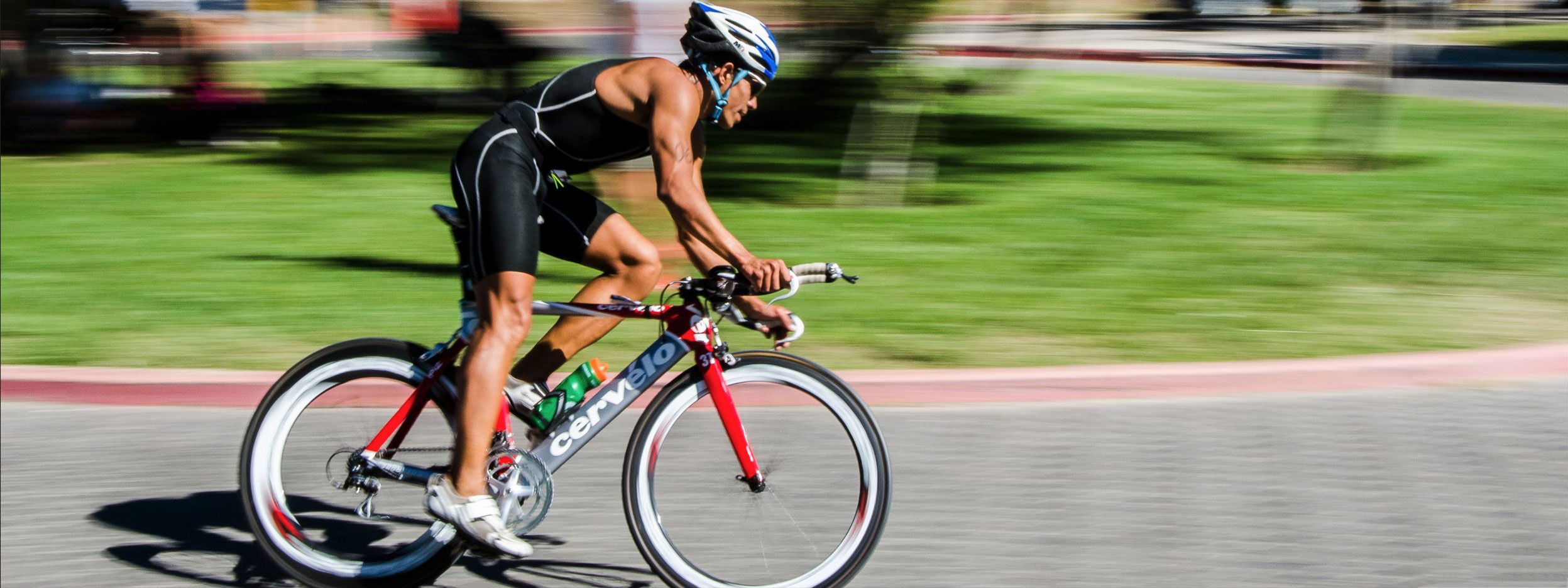
Protective gear does not eliminate risk, but it dramatically reduces the consequences of accidents. The most critical piece of equipment is the helmet. A properly fitted helmet absorbs impact, protecting the brain from life-threatening injuries. It should sit level on the head, covering the forehead without tilting back. Straps must be snug but comfortable. Beyond helmets, gloves protect hands from abrasions and improve grip, while padded shorts reduce fatigue on long rides.
Modern cycling gear blends safety with comfort. Reflective fabrics, breathable materials, and ergonomic designs make protection natural rather than burdensome. Shoes with firm soles increase power transfer and control. Eye protection shields against insects, debris, and glare. For night riding, fluorescent or reflective clothing enhances visibility under headlights. The goal of safety gear is not to burden the rider but to integrate seamlessly into performance. The more natural it feels, the more likely it is to be used consistently.
Group riding and collective responsibility
Group rides amplify both enjoyment and responsibility. When several cyclists share the road, coordination becomes essential. The lead rider sets the pace, signals obstacles, and dictates rhythm. Those behind maintain consistent spacing and avoid sudden movements. A disciplined formation, whether single or double file, communicates professionalism and respect. Group communication, often through verbal cues or hand signals, keeps everyone informed of hazards such as potholes, traffic, or approaching vehicles.
Courtesy within the group reflects courtesy toward others. Riders must avoid blocking entire lanes or ignoring traffic flow. Pulling over to allow faster vehicles to pass keeps interactions positive. Group riding also offers safety through visibility. A line of riders is far more noticeable than a single cyclist, but this visibility carries the responsibility to act predictably. Each member becomes part of a living unit, where individual care contributes to collective security. Riding together is both a privilege and a partnership built on trust and attention.
Technology and modern safety tools
Technology continues to enhance the safety of cycling. GPS systems not only track routes but also alert riders to upcoming turns or traffic conditions. Smart helmets now integrate lighting, communication, and impact sensors that detect accidents and send alerts automatically. Rearview radar systems warn of approaching vehicles, providing an extra layer of awareness for solo riders. These innovations create a bridge between traditional cycling instinct and modern digital precision.
However, technology should supplement, not replace, human attention. Overreliance on devices can dull natural instincts. A cyclist must still look, listen, and interpret their surroundings directly. When used wisely, technology empowers safety by reducing surprise and improving decision-making. It transforms riding from a reactive experience into a proactive one. Combining awareness with innovation ensures that the modern cyclist remains both connected and conscious, blending tradition with progress to stay protected on the road.
Education and community involvement
Safety begins with knowledge and grows through community. Local cycling groups and organizations often host workshops that teach essential skills such as bike handling, road etiquette, and emergency response. These gatherings build confidence and foster mutual respect among riders. Schools and youth programs that include cycling education instill habits early, nurturing a new generation of responsible riders. The more informed a community becomes, the safer its roads will be for everyone.
Public advocacy also plays a crucial role. Cyclists who participate in awareness campaigns or volunteer with safety initiatives help shape better infrastructure and policies. Simple actions such as reporting damaged bike lanes or supporting protected routes create lasting change. Safety is not only an individual choice but a shared mission. Through education and collaboration, cycling evolves from a mode of transport into a collective statement about mindfulness and respect on the road.
The road forward for every rider
True safety in cycling is more than avoidance of danger; it is the cultivation of awareness. Every ride offers lessons in focus, patience, and empathy. Whether navigating city streets or open countryside, the cyclist’s responsibility is twofold , to protect themselves and to coexist harmoniously with others. Safe riding becomes a reflection of character, where mindfulness replaces haste and preparation replaces fear.
Each turn of the wheel represents both freedom and responsibility. The rider who embraces safety not as a restriction but as empowerment discovers that confidence follows naturally. A cyclist aware of their environment rides with grace, respect, and composure. In this awareness lies the essence of safe cycling , not just surviving the road, but mastering the art of moving through it wisely, attentively, and with purpose.