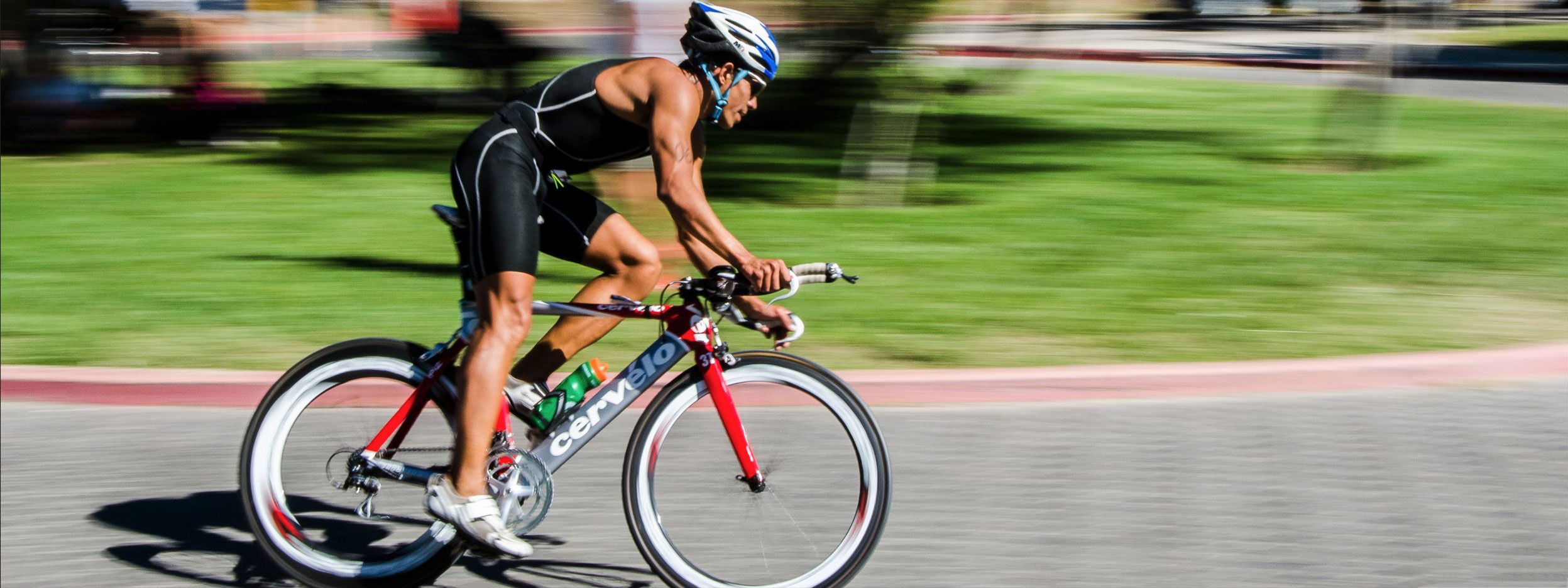

Wheels in Time

The rhythm, movement, and breath come together to define the perfect balance between effort and flow
The hidden rhythm beneath every ride
Every cyclist rides with a pulse that cannot be seen but can always be felt. Cadence, the count of pedal revolutions each minute, is that pulse. It lives in the space between muscle and momentum, guiding how smoothly energy turns into motion. Long before power meters and training zones, cyclists learned to feel it. They knew when their legs and lungs were speaking the same language, when the world seemed to move in sync with the wheel. That sensation still exists today, though technology has given us the words and numbers to understand it more clearly.
Finding one’s cadence is less about speed and more about discovering the point where motion becomes effortless. Every rider’s rhythm is different, shaped by physiology, terrain, and temperament. Some prefer the slow churn of power through climbs, while others dance lightly across the flats with high revolutions. The magic lies in balance, the point where energy flows without strain, where movement feels like breathing. Cadence is not a single number, it is the measure of harmony between body and road.
The science behind motion and control
Cadence defines how power is distributed across the body. A slower cadence demands greater force per stroke, relying heavily on muscle strength and stability. Over time, this muscular load builds fatigue even when the pace feels manageable. A faster cadence reduces the force required, but demands higher cardiovascular effort and coordination. The ideal rhythm sits somewhere between these extremes, where efficiency and sustainability meet. It is not a fixed value, but a moving balance shaped by fitness, terrain, and purpose.
Research shows that most trained cyclists operate efficiently between 85 and 95 revolutions per minute on steady terrain. This range allows the muscles to relax between strokes, preserving glycogen while maintaining momentum. The body becomes a metronome, each turn of the pedal feeding the next. Beyond science, cadence is a conversation between instinct and awareness. The numbers matter, but the sensation, the feeling of ease beneath effort, remains the truest signal of perfection.
Teaching the body to find rhythm
Cadence can be trained just like endurance or strength. The body adapts to patterns of motion through repetition, developing muscle memory and neuromuscular coordination. Structured drills build this connection. High-cadence intervals at light resistance train control and smoothness, while low-cadence climbs build torque and stability. Over time, these sessions expand a rider’s comfort zone, allowing freedom to shift between intensities without losing form. The goal is to pedal in circles that feel seamless, eliminating dead spots where power fades.
Cadence training is not about spinning faster for the sake of speed. It is about making motion more efficient. Riders who practice cadence awareness begin to feel small shifts in resistance and balance. They learn how to relax their upper body, engage the core, and let the legs flow naturally. The best cyclists look as if they are barely trying, yet every movement is deliberate. That grace is not accidental. It is rhythm, learned through patience and the quiet discipline of repetition.
Gearing and the mechanics of momentum
Gears are the translator between a rider’s power and the bike’s motion. They determine how cadence feels, how it reacts to climbs, wind, and fatigue. A well-chosen gear keeps the rhythm smooth even when the road changes. Shift too late, and cadence drops into a heavy grind. Shift too soon, and legs spin without substance. Mastering gears is not about memorizing combinations, but about anticipating flow, knowing how to preserve rhythm when resistance shifts.
Modern drivetrains make this balance easier to achieve. Compact cranksets, wide-range cassettes, and electronic shifting systems allow seamless transitions that maintain cadence across variable terrain. A small adjustment at the right moment prevents loss of momentum and energy spikes. The best riders shift preemptively, reading the road as they ride. Their cadence stays constant, almost hypnotic, even as gradients rise and fall. It is not about mechanical precision alone, but about intuition, timing, and feel, a mechanical rhythm that mirrors the heartbeat.
Climbing, descending, and the changing pulse of the road
Every hill reshapes cadence. On a climb, gravity slows rotation, forcing the body to decide between pushing harder or shifting lighter. A cadence between 70 and 85 often proves most efficient for endurance climbing, balancing torque with fluid motion. It keeps heart rate manageable and muscles engaged without overload. As gradients steepen, many riders instinctively slow down, but those who maintain rhythm conserve energy and recover faster. The climb becomes less a battle against the slope and more a conversation with it.
Descending introduces the opposite challenge. The temptation to coast is strong, but maintaining a soft cadence on mild declines keeps the legs responsive and the mind alert. This steady movement prevents stiffness and ensures control at high speed. Cadence becomes a thread that connects every part of the ride, holding continuity from start to finish. On long routes, this consistency saves energy, stabilizes breathing, and sustains focus. A steady rhythm is not just efficient; it is meditative.
The mental side of rhythm and focus
Cadence is not purely physical. It exists within the mind as much as in the muscles. Riders who develop cadence awareness often describe entering a state of flow, where effort fades and perception sharpens. The repetition of motion becomes grounding, the sound of the drivetrain turning into a kind of meditation. This rhythm stabilizes thought, dissolving distractions and anxieties. Focus deepens, and the body operates almost on instinct, guided by rhythm and breath.
During races or endurance events, mental control of cadence becomes crucial. It helps manage pacing, prevents panic during fatigue, and creates emotional stability under stress. Even on solo rides, maintaining cadence can transform struggle into serenity. Each rotation becomes a mantra, a reminder that motion itself carries the rider forward. In that simplicity lies strength, not in the pursuit of perfection, but in the practice of presence.
Technology and the pursuit of precision
Modern sensors have turned cadence from intuition into measurable data. Devices integrated into cranks, pedals, and hubs record revolutions per minute with flawless accuracy. Paired with power and heart rate metrics, cadence data provides a full picture of performance. Cyclists can now see how fatigue shifts rhythm, how terrain affects consistency, and how efficiency evolves through training. The information turns guesswork into knowledge, revealing patterns that the body may not consciously perceive.
When used wisely, technology reinforces awareness rather than replacing it. Real-time feedback helps riders make subtle adjustments during training, preventing inefficiency before it builds into fatigue. Data visualization tools display progress over time, encouraging reflection rather than obsession. The goal is not to ride by numbers, but to use them as instruments of understanding. A well-tuned cadence sensor is like a metronome for the body, teaching rhythm until it becomes instinct again, a perfect circle between art and analysis.
Common errors in cadence control
Many cyclists misunderstand cadence as a target rather than a tool. They fixate on maintaining a certain number, losing the feel that makes rhythm sustainable. Others rely too heavily on strength, grinding low cadences on climbs until fatigue erodes endurance. Over-spinning is another issue, especially among new riders who mistake speed of rotation for efficiency. Both extremes create imbalance, wasting energy and rhythm. The cure lies in moderation, listening to the feedback of the legs, the heart, and the road beneath.
Neglecting recovery cadence is equally common. After high-intensity efforts, light spinning at high cadence helps clear lactic acid and promotes muscle recovery. This gentle rhythm restores balance between power and relaxation. Cadence mastery, if such a term exists, is not perfection but awareness, the ability to sense what the body needs moment by moment. It is a lifelong learning process, refined through every climb, every spin, every stretch of open road where the bike feels like an extension of breath.
When rhythm becomes freedom
In the end, cadence is not about numbers, gear ratios, or scientific formulas. It is about freedom, the freedom to move in harmony with the road, the wind, and one’s own heartbeat. When rhythm flows without strain, the ride becomes effortless. The world narrows to the sound of wheels turning and air passing, a soft tempo that speaks of balance and control. This rhythm is what every cyclist seeks, even without realizing it. It is not taught, only discovered, one pedal stroke at a time.
The beauty of cycling lies in that discovery. Cadence is more than motion. It is the pulse of the journey, the silent music beneath every ride. To find it is to understand that the best rides are not measured in distance or speed but in moments when everything feels weightless. The rhythm carries you forward, the wheels keep time, and for a fleeting instant, you ride not just through space but through something timeless, a motion that feels infinite.