

How Smart Training Creates Stronger Cyclists
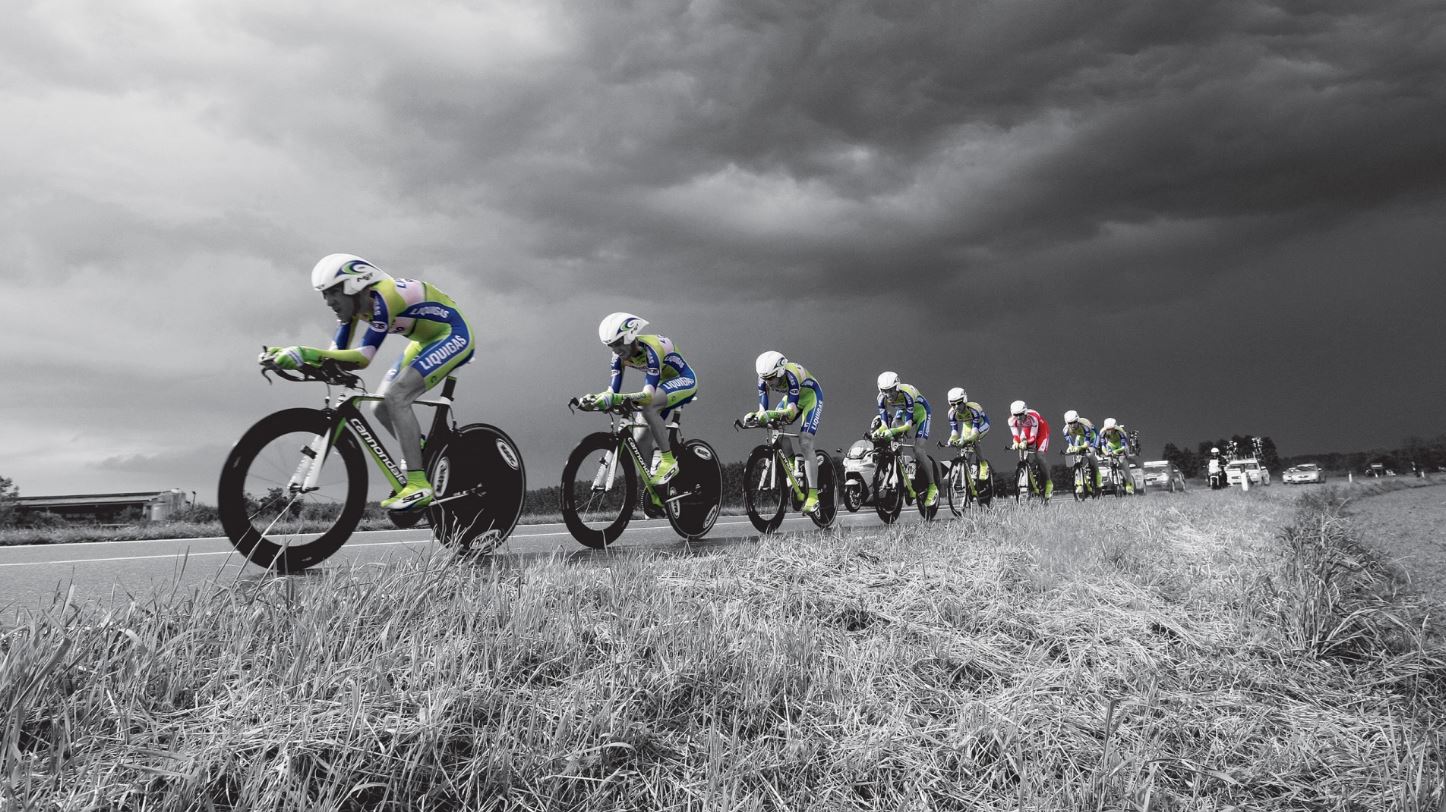
The power of preparation, consistency, and mindful discipline in shaping long-term performance
The mindset that separates training from routine
Every cyclist who aims to improve eventually learns that training is not simply about riding longer or harder. It is about intention, structure, and adaptability. The difference between a casual ride and a purposeful session lies in understanding why each effort matters. A structured training plan transforms time on the bike into progress, while a scattered approach often leads to fatigue without growth. The mindset behind effective training begins with patience and self-awareness. Progress in cycling is rarely immediate, but it is always measurable if you know what to look for.
Training requires both curiosity and humility. The athlete must constantly learn from the body’s feedback, adjusting effort and expectations accordingly. Some days the legs feel light, and others they feel like stone, yet both are part of the same journey. True progress comes not from perfection, but from persistence through the fluctuations. The most successful cyclists are those who embrace discipline without rigidity, finding balance between pushing boundaries and protecting recovery. Training, at its core, is the art of listening to effort and transforming motion into mastery.
Understanding the importance of base fitness
Before intensity comes endurance. The base phase of training lays the foundation upon which all performance is built. Long, steady rides at moderate intensity strengthen the cardiovascular system, teach efficient energy usage, and prepare the muscles for sustained effort. Without this base, the body struggles to handle harder sessions later in the season. Many cyclists underestimate the value of slow miles, but those miles build the physiological framework that supports future speed and power.
During base training, consistency outweighs intensity. The goal is to spend time in the saddle, not to chase numbers. These rides also develop mental endurance, teaching the rider to remain focused and comfortable over long durations. As weeks progress, subtle improvements emerge: steadier heart rates, smoother pedaling, and reduced fatigue after long sessions. Base training may lack the thrill of high-speed efforts, but it cultivates resilience that no shortcut can replace.
Balancing intensity and recovery
After a strong foundation is established, structured intensity becomes the next tool for growth. Intervals, hill repeats, and tempo sessions build strength and power. Yet, intensity is only effective when paired with recovery. Every hard effort creates microscopic stress on the body, and it is during rest that adaptation occurs. Without adequate recovery, performance plateaus and injury risk increases. The principle is simple: stress the body, allow it to recover, and repeat. The challenge lies in respecting both parts of the process equally.
Modern training tools like power meters and heart rate monitors can help measure exertion, but intuition remains the most valuable guide. When the body feels heavy or unresponsive, it signals the need for rest. Active recovery rides, yoga, or light stretching can accelerate the healing process. Ignoring fatigue in pursuit of constant progress leads to diminishing returns. The smartest cyclists learn that improvement is not a straight line, but a rhythm of exertion and renewal that must be carefully managed.
The role of nutrition in performance and recovery
Nutrition is the silent partner in every successful training program. Food is not just fuel; it is the material from which endurance, strength, and recovery are built. Carbohydrates provide immediate energy for intense efforts, fats sustain long rides, and proteins repair muscles after exertion. Hydration, often overlooked, directly affects performance. Even mild dehydration can reduce power output and increase perceived effort. Learning how to fuel effectively is as important as mastering cadence or gearing.
Pre-ride meals should be simple and rich in easily digestible carbohydrates, while post-ride meals must emphasize protein and nutrient replenishment. On longer rides, maintaining steady energy intake prevents the dreaded energy crash known as “bonking.” Consuming small amounts of carbohydrates every twenty minutes during endurance sessions keeps blood sugar stable and energy consistent. Beyond the bike, balanced nutrition ensures the body can handle cumulative training loads. A cyclist who eats with awareness builds not only stronger muscles but also a more efficient and resilient system overall.
Strength training and flexibility off the bike
Endurance athletes often focus solely on cardiovascular work, but strength training adds an essential dimension to performance. Building muscular strength improves power transfer, stability, and resistance to fatigue. Exercises that target the core, glutes, and legs enhance efficiency and reduce injury risk. Simple movements such as squats, lunges, and planks, performed consistently, contribute to smoother pedaling and better posture. The stronger the body, the more effectively it can channel energy into the pedals.
Flexibility and mobility are equally important. Cycling is a repetitive motion that tightens specific muscle groups over time, particularly the hips and hamstrings. Stretching and mobility routines prevent stiffness, improve comfort, and promote better alignment. Many cyclists neglect flexibility until discomfort appears, but incorporating daily stretching or yoga can extend career longevity. The combination of strength and mobility creates a balanced athlete who not only rides faster but feels better while doing it.
The science of structured training plans
Training plans provide structure and direction, turning random efforts into measurable progress. The best plans follow a periodized approach, dividing the year into phases: base, build, peak, and recovery. Each phase targets specific adaptations, ensuring that training stress and rest are properly balanced. This structured variation prevents burnout and encourages continual improvement. Without a plan, it becomes easy to overtrain or undertrain, both of which limit potential.
Technology has made personalized training more accessible than ever. Platforms that analyze power data and heart rate trends can create tailored programs for individual needs. However, even the most advanced software cannot replace self-awareness. Data is a guide, not a rule. Cyclists who understand how to interpret their metrics learn to recognize the difference between productive fatigue and harmful strain. A successful plan combines structure with flexibility, adapting to life’s unpredictability while maintaining long-term focus on development.
The influence of terrain and environment on progress
Training is shaped by the environment as much as by effort. Climbs, flat roads, and changing weather all influence the body’s response. Riding on varied terrain develops adaptability and skill. Hills build leg strength and cardiovascular endurance, while flats improve cadence and rhythm. Wind resistance on open roads enhances stamina, and rough surfaces teach bike handling and balance. A well-rounded cyclist trains across multiple conditions to prepare for real-world unpredictability.
Weather also affects training outcomes. Heat demands better hydration strategies and pacing adjustments, while cold conditions require careful layering and mental resilience. Rain tests confidence and bike control, teaching the athlete to remain composed under pressure. Each ride, regardless of condition, provides lessons in adaptability. Learning to embrace the environment rather than avoid it transforms challenges into opportunities for growth. The road, in all its forms, becomes the ultimate teacher.
Monitoring progress and adjusting expectations
Improvement in endurance sports is rarely linear. Some weeks bring breakthroughs, while others seem stagnant. Tracking progress helps maintain perspective and motivation. Metrics such as distance, time, heart rate, and perceived exertion reveal trends that guide adjustments. Regular testing, such as time trials or power assessments, provides benchmarks for improvement. However, numbers alone do not define progress. The true measure lies in how the athlete feels during effort, how recovery improves, and how confidence grows.
Adapting expectations is a crucial part of sustained training. Illness, stress, and daily life occasionally disrupt plans, and flexibility ensures that motivation remains intact. Missing a session is not failure; it is part of the natural rhythm of development. A wise athlete adjusts rather than abandons. Over months and years, the consistency of small, deliberate efforts outweighs any short-term setback. Training teaches patience, resilience, and the ability to see the bigger picture beyond immediate results.
The long road to mastery
Training is a lifelong process, not a short-term pursuit. The strongest athletes are not those who train the hardest for a season, but those who train consistently across years. Every session, from recovery rides to intense intervals, contributes to a mosaic of growth. The lessons learned through training extend beyond cycling. They teach discipline, adaptability, and self-discovery. The road becomes a metaphor for life itself, where persistence matters more than perfection. The journey of training never truly ends because every ride offers a new opportunity to learn, to refine, and to rediscover the joy of motion. Mastery lies not in the destination but in the continual act of becoming stronger, wiser, and more attuned to the rhythm of progress.