
The Solitary Race - Perfecting the Art of the Time Trial
The discipline, pacing, and precision merge into the purest form of cycling performance
The essence of racing against the clock
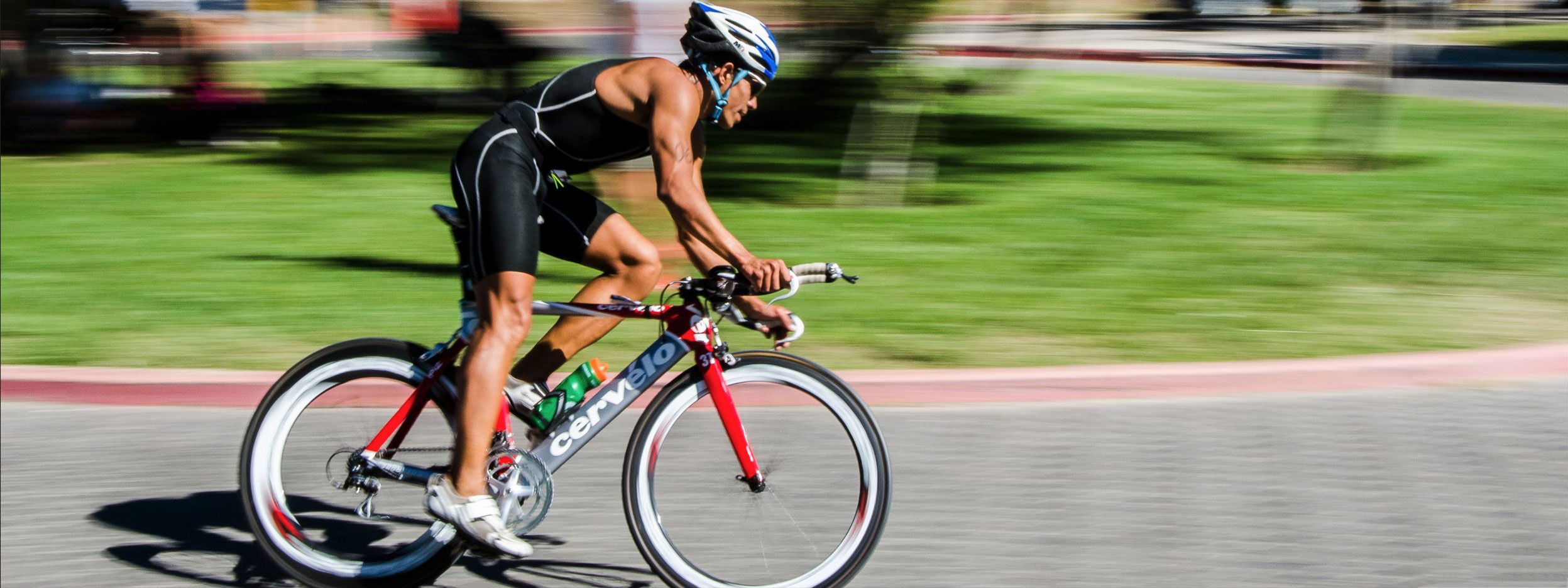
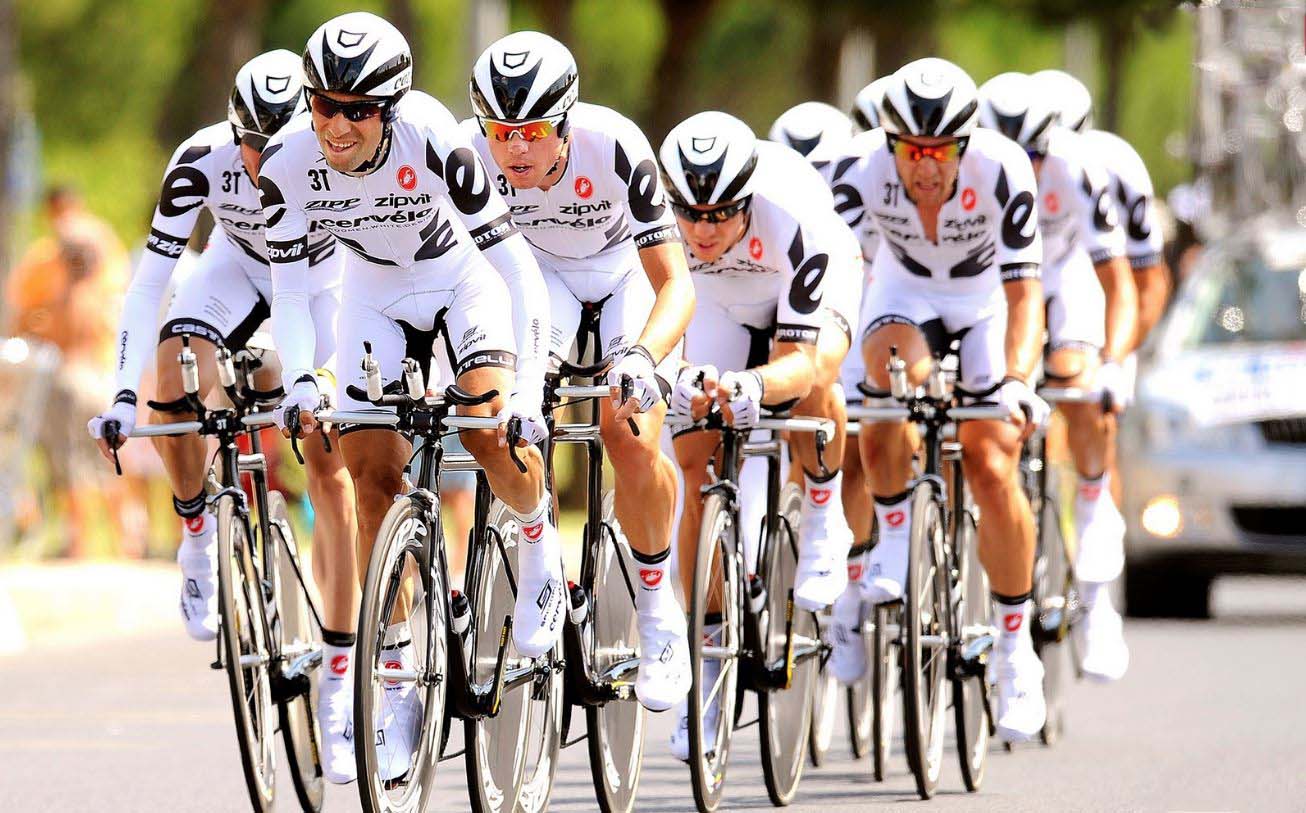
The time trial is unlike any other form of racing. It strips cycling of its external distractions and reduces it to its most fundamental contest: rider versus time. There are no wheel drafts, no peloton strategies, and no teammates to share the wind. It is a test of pure efficiency and mental control. Every second becomes a currency that must be spent wisely. The road ahead is both battlefield and mirror, reflecting the balance between preparation and instinct. Time trials expose weaknesses with honesty and reward discipline without favoritism. In this solitary struggle, the stopwatch becomes the ultimate judge of mastery.
What separates a good time trialist from a great one is not only power but rhythm. Each pedal stroke, breath, and heartbeat must align in seamless coordination. Success depends less on sudden bursts of energy and more on the art of sustaining effort at the threshold between endurance and exhaustion. The goal is not to sprint, nor to conserve too much. It is to ride on the razor edge of possibility, where every watt counts and every distraction fades into silence. The time trial is not a race of chaos but a symphony of controlled precision, where the rider writes music with motion.
The foundation of preparation and planning
Behind every successful time trial is a foundation of meticulous planning. Preparation begins long before the start line. Riders study the course in detail, noting every incline, descent, and curve. Knowledge of the terrain dictates strategy. A slight rise halfway through the route may demand a controlled power increase, while a tailwind section could allow for recovery without losing speed. Visualization is an essential tool. By mentally riding the course before the race, athletes anticipate effort distribution and maintain composure when physical strain sets in.
Equipment selection also defines success. Aerodynamic efficiency plays a critical role in time trials, where even small reductions in drag translate into measurable gains. Helmets, suits, and wheels are chosen with precision to balance speed and stability. Bike fit adjustments ensure comfort during prolonged aerodynamic positions. Each mechanical detail, from tire pressure to chain lubrication, contributes to the final performance. Nothing is left to chance because the time trial rewards perfection and punishes oversight. The rider who respects the details begins the race already one step ahead.
The science of pacing and energy distribution
Time trial performance depends heavily on pacing. The ideal effort curve is not linear but shaped like a controlled wave. Starting too aggressively leads to early fatigue, while holding back excessively wastes valuable seconds. The objective is to sustain the highest possible power output that the body can maintain for the entire distance without collapse. This balance is both art and science, requiring deep understanding of one’s physiology and mental boundaries. Power meters, heart rate monitors, and perceived exertion scales help riders calibrate their pace, but experience remains the ultimate guide.
Wind, gradient, and temperature constantly influence energy expenditure. Headwinds require patience, tailwinds invite restraint, and climbs demand steady commitment rather than explosive acceleration. On flat sections, aerodynamic efficiency dominates, and small positional adjustments can yield major time savings. The best time trialists internalize these dynamics, adjusting on instinct. They learn to recognize the fine line between sustainable discomfort and unsustainable overreach. In essence, pacing is not about restraint but about the precise allocation of effort. The rider who manages energy like a mathematician often triumphs over those who rely solely on strength.
The role of aerodynamics and body positioning
Air resistance is the invisible opponent in every time trial. At high speeds, it consumes the majority of a rider’s power output. Reducing drag therefore becomes a strategic priority. Aerodynamic positioning involves lowering the torso, narrowing the arms, and maintaining a stable profile that cuts cleanly through the air. However, achieving this position is not about extremes but sustainability. An overly aggressive posture may reduce drag but can also compromise breathing and power generation. The perfect position lies at the intersection of comfort, efficiency, and endurance.
Maintaining aerodynamic form throughout the ride demands discipline. Fatigue tempts the body to rise or sway, increasing resistance. Core stability and flexibility play key roles in preventing such inefficiency. Regular drills that train posture endurance ensure consistency from start to finish. Equipment complements this discipline: aero handlebars, wheel depth, and skin suits all contribute marginal gains that collectively make a significant difference. The best riders understand that aerodynamics is not static; it is a living balance between body, bike, and wind. Each movement must serve purpose, each position must endure the passage of time.
The psychology of solitude and mental focus
Time trials are as much psychological as physical. Riding alone without external stimuli demands mental clarity and unwavering concentration. The absence of direct competition removes external motivation, leaving only self-discipline and inner dialogue. In the silence of the ride, doubt becomes the true adversary. Thoughts of fatigue or imperfection must be managed like obstacles on the road. The mind must remain focused not on how far remains but on the immediate present, the next turn, the next breath, the next pedal stroke.
Visualization and self-talk are crucial components of mental strategy. Repeating internal cues such as “smooth,” “steady,” or “breathe” helps anchor focus during physical stress. Experienced riders develop the ability to measure suffering without being overwhelmed by it. Pain becomes a familiar companion rather than an enemy. Mental strength also extends to pacing discipline, preventing early overexertion driven by adrenaline. A calm, analytical mind ensures precision even when the body screams for relief. In the solitude of a time trial, mental mastery becomes the quiet force behind physical performance.
Equipment tuning and marginal gains
Marginal gains have revolutionized the world of time trials. Small improvements in aerodynamics, weight distribution, or mechanical efficiency accumulate to create significant performance advantages. Riders and technicians work together to fine-tune every aspect of the machine. Tire selection depends on surface texture, balancing rolling resistance and grip. Chain lubrication reduces friction and ensures smoother power transfer. Even clothing seams are positioned strategically to minimize turbulence. What seems insignificant in isolation becomes critical when seconds decide victory or defeat.
Modern technology allows riders to measure these gains precisely. Wind tunnel testing, motion capture analysis, and computational fluid dynamics simulations identify opportunities for refinement. Yet technology alone does not guarantee success. The rider’s ability to integrate equipment seamlessly into their natural rhythm remains essential. A perfectly tuned machine serves only as an extension of the human will. The pursuit of marginal gains reflects the broader philosophy of the time trial itself: perfection through precision, achieved one small improvement at a time.
The importance of warm-up and physiological readiness
The body must be prepared for the intensity of a time trial, where there is no gradual build-up once the clock starts. A structured warm-up primes the cardiovascular system and activates the muscles required for sustained effort. Typically, riders perform a sequence of progressive intervals, beginning with light spinning to raise body temperature, followed by short bursts near race intensity to stimulate metabolic response. The warm-up should leave the rider alert, loose, and physiologically primed but not fatigued.
Nutrition before the start also influences readiness. Consuming easily digestible carbohydrates an hour before the race ensures immediate energy availability. Hydration must be optimized to prevent cramps or performance dips caused by dehydration. Mental readiness completes the preparation. A brief moment of solitude before the start allows focus to sharpen and anxiety to settle. The rider must reach the start line with calm determination, knowing that the body and mind are aligned for performance. In time trials, there is no warm-up lap. The first second is as important as the last.
Analyzing performance and continuous improvement
The end of a time trial marks not the conclusion of effort but the beginning of reflection. Performance analysis is essential for growth. Data collected from power meters, heart rate monitors, and GPS systems provides insight into pacing accuracy, efficiency, and mechanical performance. Reviewing this information allows riders to identify patterns and correct mistakes. Perhaps the power output was too high in the opening kilometers, or perhaps cadence dropped during headwind sections. Every detail becomes an opportunity for refinement.
Beyond data, subjective experience carries equal importance. Noting how the body felt at different moments helps align physical sensations with measurable metrics. Over time, this awareness sharpens intuition and improves decision-making. Coaches often collaborate with riders to adjust training blocks and race tactics based on this feedback. Continuous improvement in time trialing relies on curiosity and humility. The clock may never stop ticking, but the pursuit of efficiency ensures that every tick becomes a stepping stone toward mastery.
The purity of precision
The time trial represents the most distilled form of cycling. It removes external variables and exposes the rider’s relationship with power, endurance, and discipline. Every aspect, from breathing patterns to aerodynamic posture, contributes to the pursuit of perfect motion. It is a discipline that rewards control over chaos, and patience over impulse. The rider learns to embrace discomfort not as suffering but as the language of progress. The finish line does not mark the end of struggle but the confirmation of effort honestly given. In the silence of the wind, beneath the ticking of the clock, the time trial becomes more than competition. It becomes a meditation on precision, focus, and the timeless rhythm of motion itself.