
The Geometry of Comfort
Understanding how precise positioning transforms the body, the bike, and the experience of motion into perfect harmony
Where comfort meets performance
The right fit on a bicycle is not about luxury or style. It is about unlocking the connection between body and machine. A poorly fitted bike can turn even a short ride into discomfort, while a properly adjusted one can make the longest climbs feel natural and fluid. Every cyclist, from a weekend explorer to a professional racer, relies on geometry as the silent foundation of performance. Comfort, efficiency, and endurance are born from alignment, the careful balance of angles, distances, and posture that lets the rider move as one with the bike.
When the position is right, energy flows effortlessly through every rotation of the pedals. Muscles engage in coordination rather than conflict, and fatigue arrives later, if at all. A correct fit also prevents injury. Knee strain, numb hands, and tight shoulders are not just signs of overtraining; they are often the body’s protest against imbalance. The beauty of bike fitting lies in its precision. It is both art and science, built on small adjustments that create profound results. To fit a bike properly is to shape movement itself.
The foundation of alignment
Bike fitting begins with geometry. Every part of the frame, from the top tube to the seat stay, contributes to how the rider interacts with the bike. Frame size determines reach and posture, while saddle height dictates the power and rhythm of each pedal stroke. A few millimeters too high or too low can drastically change how the hips, knees, and ankles align. The perfect height allows a slight bend in the knee at full extension, creating a fluid circular motion that maximizes power while reducing strain.
The horizontal position of the saddle is equally important. Sliding it forward engages the quadriceps more, while moving it backward recruits the hamstrings and glutes. Neither is universally correct. The ideal position depends on a rider’s physiology and goals. The same is true for handlebar reach and drop. Too long a reach forces overextension of the arms and shoulders, while too short a reach compresses the chest and limits breathing. Bike fitting is the pursuit of equilibrium, not perfection. It recognizes that efficiency arises when the body feels naturally balanced over the frame.
Feet, pedals, and the unseen power line
The feet are the foundation of cycling performance. Every ounce of power originates from them, transferred through the pedals into motion. Cleat positioning, often overlooked, dictates how effectively that power travels. The ball of the foot should align directly over the pedal axle, ensuring that force is distributed evenly across the stroke. A cleat set too far forward can cause calf fatigue, while one too far back reduces leverage. Small adjustments of only a few millimeters can transform the sensation of power delivery.
Foot alignment also affects the knees. If the feet angle inward or outward unnaturally, the knees compensate, leading to pain or wear over time. Cleats must mirror the body’s natural stance, not force it into symmetry. Many riders benefit from using pedal spacers or wedges to achieve neutral alignment. The goal is not just power, but longevity. When feet, knees, and hips move in one seamless line, the cyclist gains both strength and endurance. The motion becomes silent, efficient, and endlessly repeatable.
The importance of saddle choice and position
The saddle is often the most misunderstood part of the bike. Comfort here is not about softness but about support. A good saddle allows the pelvis to rest naturally without pressure on nerves or soft tissue. The width must match the spacing of the sit bones, the bony points that carry the rider’s weight. Too narrow, and pressure builds in sensitive areas. Too wide, and friction creates irritation during motion. The ideal saddle feels almost invisible, allowing focus to shift entirely to the ride.
Saddle tilt is another critical detail. A slight downward angle can relieve pressure on the lower back and improve posture, but too steep a tilt causes the rider to slide forward, overloading the arms and wrists. The correct tilt is neutral, where weight is distributed evenly between seat and handlebars. Achieving this balance often requires patience and experimentation. A professional bike fit uses digital analysis and video feedback, but even simple observation can reveal the difference between forced stability and natural flow. Comfort is the signal that the geometry is right.
Handlebars and control through posture
Handlebars dictate how the upper body interacts with the road. Their width, height, and angle shape the rider’s control, aerodynamics, and comfort. A handlebar too wide strains the shoulders; one too narrow restricts breathing. The ideal width matches the rider’s shoulder span, promoting relaxed arms and stable steering. The height of the bars, or the handlebar drop, determines posture. A lower drop favors aerodynamic racing positions but demands flexibility, while a higher setup provides comfort for endurance rides. The best position aligns posture with purpose.
Hand placement and rotation also matter. Many riders unknowingly grip the bars too tightly, causing tension to travel through the forearms and neck. A light, flexible grip absorbs vibrations and improves control on rough surfaces. Wrists should remain neutral, not bent, and elbows slightly flexed. This natural curve allows the body to respond to changes in terrain smoothly. A well-fitted handlebar setup feels effortless, as if the road communicates directly through the fingertips. It gives confidence not just in speed, but in precision and safety.
The silent role of flexibility and strength
Even a perfect bike fit cannot compensate for poor flexibility or muscular imbalance. The body must adapt to the bike just as the bike adapts to the body. Tight hamstrings, weak cores, or stiff hips alter posture, changing how weight distributes across contact points. Over time, these small misalignments can undo even the best fitting work. Regular stretching and targeted strength training create stability and mobility, allowing the cyclist to maintain proper form effortlessly. Flexibility is not about touching the toes, but about moving fluidly without tension.
Core strength is particularly vital. A stable core anchors the upper and lower body, keeping motion isolated to the legs. Without it, the torso sways, wasting energy and reducing efficiency. Simple exercises like planks, bridges, and leg raises build the strength needed for balance and control. When the body is strong and flexible, the bike feels lighter and more responsive. Fitting and fitness work together, each enhancing the other. The body becomes not a passenger but a participant in every turn of the wheel.
The influence of riding style and discipline
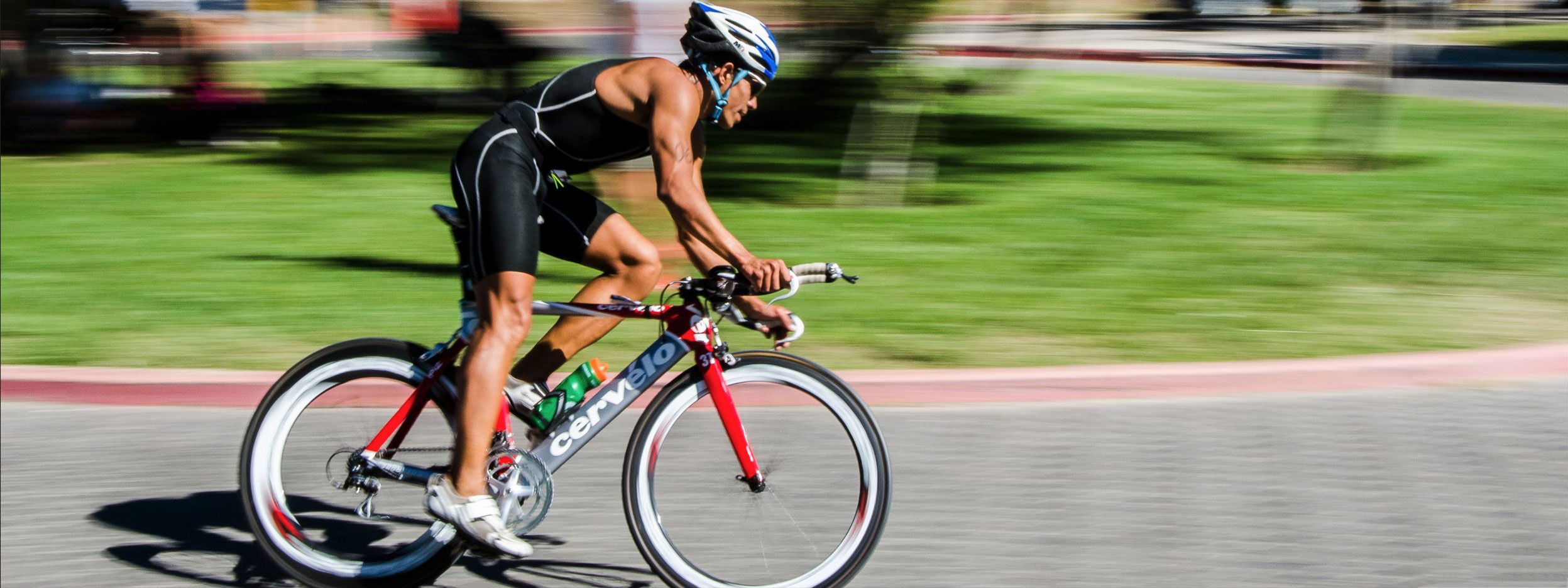
No two cyclists require the same fit because no two ride the same way. A time trialist seeks aerodynamic precision, while a touring rider prioritizes comfort over distance. Mountain bikers favor control and agility, while endurance racers aim for energy efficiency. Each discipline demands specific adjustments to saddle height, handlebar reach, and pedal position. Understanding the purpose of the ride shapes the geometry of the fit. The goal is always to complement motion, not to restrict it.
For riders who switch between disciplines, multiple setups may be necessary. A road bike and a gravel bike, for instance, differ not only in frame geometry but in how they position the rider’s center of gravity. Adapting between them requires awareness and subtle recalibration. Over time, the cyclist learns to feel the small differences that distinguish a smooth ride from a perfect one. Fit is never static. It evolves with experience, equipment, and goals. The best riders learn to listen to their bodies as they listen to the road.
Technology and precision measurement
Modern bike fitting blends traditional expertise with digital precision. Motion-capture systems analyze body angles in real time, identifying imbalances invisible to the naked eye. Pressure-mapping tools display how weight distributes across the saddle, while power meters reveal inefficiencies in pedal stroke symmetry. These technologies transform fitting from art to data-driven science. They allow micro-adjustments that improve aerodynamics, reduce fatigue, and increase speed without adding effort. Yet, technology remains a tool, not a substitute for intuition.
A professional fitter interprets data through experience, recognizing that numbers must serve the body, not the other way around. Two riders with identical measurements may require different adjustments due to flexibility, riding habits, or personal preference. The best fits respect individuality. Technology provides clarity, but the final adjustment still relies on feel. When the rider finally settles into the saddle and the first few pedal strokes flow naturally, that is the moment when numbers and instinct find their common ground.
Signs your fit needs attention
Even experienced cyclists sometimes overlook the signs of a poor fit. Persistent knee pain often points to incorrect saddle height or cleat alignment. Numb hands or wrists suggest excessive pressure from the handlebars, while back or neck discomfort may come from overreaching. Uneven muscle fatigue, where one leg feels stronger than the other, hints at imbalanced positioning. Every ache has a reason, and the body communicates through discomfort. Ignoring these signs risks not only performance loss but long-term injury.
Adjusting fit should always begin with small changes. Raising the saddle by a few millimeters, moving the cleats slightly inward, or shortening the stem can make dramatic differences. Each change should be tested over several rides, allowing the body to adapt. A good fit feels invisible. The rider stops thinking about position and begins to focus on the rhythm of the road. The more natural the motion feels, the closer the setup is to perfection.
The seamless connection
At its heart, bike fitting is about harmony, a dialogue between human anatomy and mechanical design. When done right, the rider no longer feels like they are sitting on a bike. They feel as if the bike has become an extension of themselves. The perfect fit disappears into experience. Every movement feels smooth, every breath effortless. Efficiency becomes invisible because it feels natural. That is the true mark of mastery, not numbers or measurements, but the absence of resistance between thought and motion.
As the road stretches ahead, the fitted bike becomes a partner in rhythm. The body finds equilibrium in motion, where strength meets comfort and performance meets peace. A perfect fit is never permanent, for both rider and machine evolve together. Yet, in the moments when balance is found, cycling transcends mechanics. It becomes expression, a physical conversation between effort and ease, between the self and the endless road that invites you to keep moving forward.